
Introduction
A burn can cause pain, redness, swelling, blistering, and skin damage within seconds. Quick and appropriate burn treatment can help protect the injured area, reduce discomfort, and lower the risk of complications. Minor burns may improve with proper first aid, while deeper or larger burns may require immediate medical attention. Understanding what to do after a burn can help patients and families respond calmly and safely.
Understanding Different Types of Burns
Burns are commonly classified by how deeply they damage the skin and underlying tissues. Recognizing the type of injury can help determine how urgently medical care is needed.
First-Degree Burns
These burns affect the outer layer of the skin. They may cause:
- Redness
- Mild swelling
- Pain or tenderness
- Dry skin
A mild sunburn is a common example.
Second-Degree Burns
These burns damage deeper layers of the skin and may cause:
- Blisters
- Severe redness
- Swelling
- Significant pain
- Wet or shiny skin
Larger or painful second-degree burns should be evaluated by a medical professional.
Third-Degree Burns
Third-degree burns cause extensive skin damage and can affect deeper tissues. The affected skin may appear white, brown, black, or leathery. Surprisingly, some severe burns may not be very painful because nerves can be damaged.
These injuries require immediate emergency medical evaluation.
9 Important Steps After a Burn
Knowing basic first aid can make a significant difference while waiting for professional care.
1. Move Away From the Heat Source
The first step is to stop the burning process. Move away from flames, hot objects, chemicals, or other sources of heat when it is safe to do so.
If clothing catches fire, remember the basic principle of stopping, dropping, and rolling rather than running.
2. Cool the Burn
Place the affected area under cool running water for about 20 minutes when possible. Cooling can help reduce heat in the skin and may ease pain.
Avoid using ice directly on the burn because extreme cold can cause additional skin damage.
3. Remove Tight Items
Swelling can develop after a burn. Carefully remove rings, watches, bracelets, belts, or tight clothing near the injured area before swelling becomes significant.
Do not pull away clothing that is stuck to burned skin.
4. Protect the Injured Area
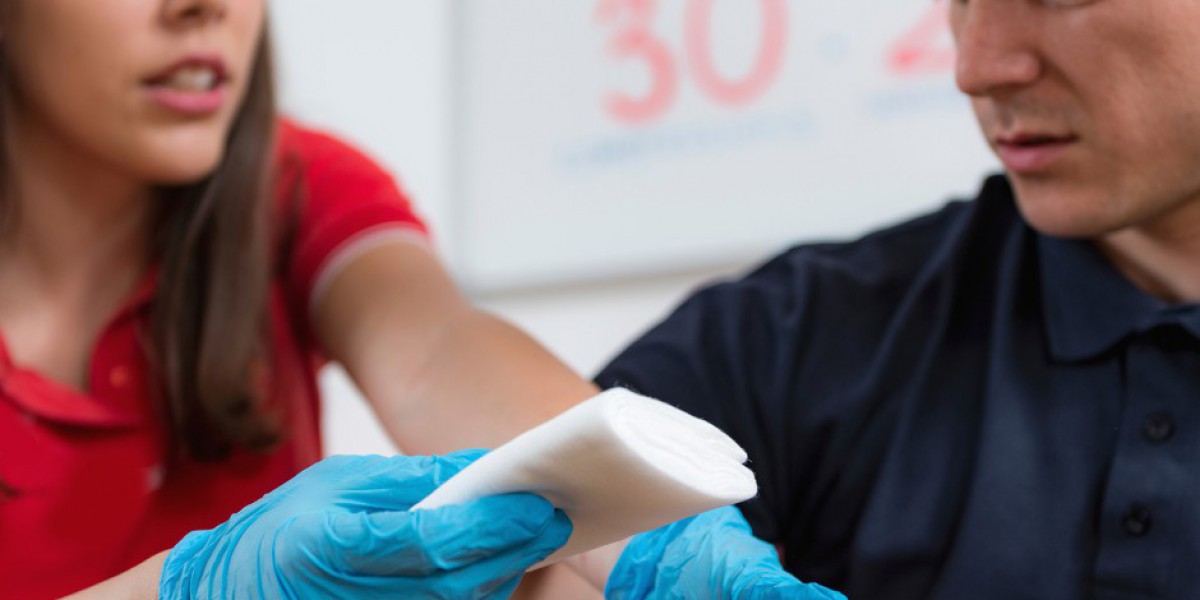
After cooling, gently protect the area with a clean, non-stick dressing or sterile cloth. Avoid applying pressure to the injured skin.
Keeping the area protected can help reduce contamination and further irritation.
5. Avoid Home Remedies
Some traditional remedies can make a burn worse or interfere with professional care. Avoid applying butter, toothpaste, oils, or other household substances to a fresh burn.
Do not intentionally break blisters because this can increase the risk of infection.
6. Check the Burn's Location
Some burns need medical evaluation even when they appear relatively small. Pay particular attention to burns involving:
- The face
- Hands
- Feet
- Genitals
- Major joints
- Large areas of the body
Burns in these areas can affect important functions and may require specialized care.
7. Watch for Serious Symptoms
Seek emergency medical attention if the burn is extensive, deep, rapidly worsening, or associated with other concerning symptoms.
Emergency warning signs can include:
- Difficulty breathing
- Confusion
- Severe weakness
- Extensive blistering
- Deep or charred skin
- Severe swelling
- Signs of shock
- Burns caused by electricity or chemicals
8. Consider How the Burn Happened
The cause of a burn matters. Thermal burns from hot liquids or flames are common, but electrical and chemical burns can cause hidden damage.
Electrical burns may affect tissues beneath the skin, while chemical burns can continue damaging tissue until the substance is removed properly.
9. Get Professional Evaluation When Needed
When a burn appears serious or you are unsure about its severity, professional evaluation is the safest choice. Medical providers can examine the affected tissue, manage pain, clean the injury, dress the wound, and determine whether additional treatment is necessary.
Common Causes of Burns
Burn injuries can happen in many everyday situations. Common causes include:
- Hot water or steam
- Cooking oil and grease
- Open flames
- Hot surfaces
- Household chemicals
- Electrical equipment
- Fireworks
- Workplace accidents
- Vehicle accidents
- Prolonged sun exposure
Children and older adults may be particularly vulnerable because they may react differently to heat or have difficulty moving away from dangerous sources.
When Should You Visit an Emergency Room?
Not every burn requires an emergency room, but certain injuries should be evaluated quickly.
Consider emergency care when:
- The burn is deep or extensive.
- The skin looks white, black, brown, or leathery.
- The burn covers a large portion of the body.
- The face, hands, feet, or major joints are affected.
- The burn surrounds an arm, leg, finger, or another body part.
- The injury resulted from electricity.
- The injury was caused by chemicals.
- The person has trouble breathing after a fire.
- The burn is associated with another serious injury.
- Severe pain or swelling continues.
When there is uncertainty about the seriousness of a burn, medical evaluation can help identify problems that may not be obvious at first.
What to Expect During Emergency Burn Care
At ER of Forthworth, emergency evaluation may begin with an assessment of the burn's size, depth, location, and cause.
Depending on the injury, care may include:
Medical Assessment
Healthcare professionals examine the affected skin and look for signs of deeper tissue damage or complications.
Wound Cleaning
The injured area may be carefully cleaned to remove contaminants and reduce the chance of infection.
Pain Management
Burns can be extremely painful. Medical professionals can recommend or provide appropriate pain management based on the severity of the injury.
Wound Dressing
A suitable dressing can protect damaged skin and support the healing process.
Additional Treatment
More serious burns may require specialized procedures, specialist consultation, or transfer to a dedicated burn center when appropriate.
How to Reduce the Risk of Burn Injuries
Many burns can be prevented by taking simple precautions.
In the Kitchen
Keep hot pans away from the edge of counters. Turn pot handles inward and use care when handling boiling liquids, hot oil, and steam.
Around Children
Keep matches, lighters, hot drinks, electrical appliances, and cooking equipment out of children's reach.
With Electrical Equipment
Replace damaged cords and avoid using electrical devices near water. Never handle electrical equipment with wet hands.
With Chemicals
Store cleaning products and other chemicals safely. Follow product instructions and use appropriate protective equipment when necessary.
During Outdoor Activities
Keep children away from grills, fire pits, and other hot surfaces. Make sure fires are fully extinguished after use.
Burn Recovery and Follow-Up Care
Recovery depends on the depth, size, and location of the injury. Minor burns may heal relatively quickly, while deeper burns can require longer wound care.
Follow medical instructions carefully after receiving emergency care. Keep dressings clean and follow recommendations about wound cleaning, medications, activity, and follow-up visits.
Watch the injured area for changes. Increasing redness, swelling, drainage, worsening pain, fever, or other new symptoms may require additional medical evaluation.
Good follow-up care is important because healing continues after the initial emergency visit.
Why Fast Care Matters
Burn injuries can change quickly. Early evaluation can help identify the severity of an injury and determine whether additional care is necessary.
Prompt attention is especially important for deep burns, extensive injuries, chemical burns, electrical burns, and burns involving sensitive areas of the body.
Getting the right care early can also help patients understand how to protect the wound and support recovery.
FAQs About Burn Injuries
What should I do immediately after a burn?
Move away from the heat source and cool the affected area with cool running water for about 20 minutes when possible. Avoid ice and household remedies.
Should I pop a burn blister?
No. Avoid intentionally breaking blisters because damaged skin can increase the risk of infection.
When is a burn considered serious?
A burn may be serious if it is deep, extensive, involves sensitive areas, causes severe symptoms, or results from chemicals or electricity.
Can I put ice on a burn?
Direct ice is generally not recommended because it can cause additional tissue damage. Cool running water is a safer first-aid option.
Do all burns require emergency care?
No. Small, minor burns may often be managed with appropriate first aid. However, serious, deep, extensive, chemical, electrical, or sensitive-area burns should receive professional evaluation.
Why should I avoid butter or toothpaste on burns?
Household substances such as butter and toothpaste can irritate damaged skin and make professional wound assessment or cleaning more difficult.
How long does a burn take to heal?
Healing time varies according to the burn's depth, size, location, and overall condition. Minor burns may heal faster than deeper injuries.
What happens if a burn becomes infected?
Increasing redness, swelling, drainage, worsening pain, fever, or other changes can indicate a possible infection. Medical evaluation may be necessary.
For more information visit:https://eroffortworthtx.com/services/burns-treatment/