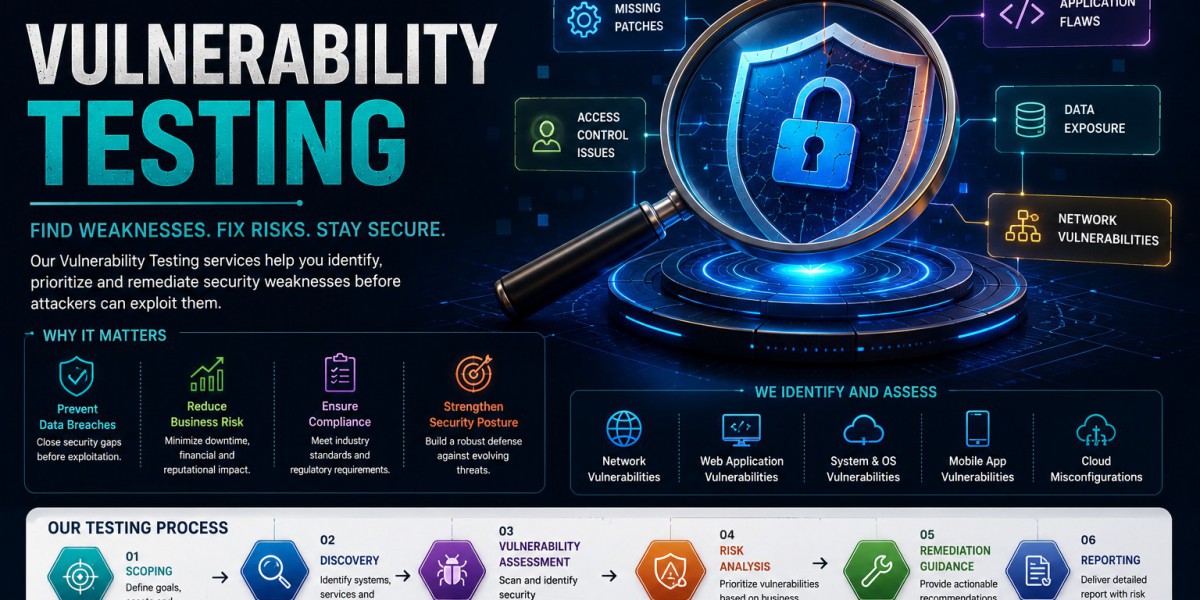

Major shopping periods can bring sudden increases in traffic, transactions and customer activity. For Indian online retailers, preparing the infrastructure for higher demand should also involve security preparation. vulnerability testing services can help identify weaknesses in websites, APIs, customer accounts and supporting infrastructure before traffic and transaction volumes increase.
Why Peak Season Changes Security Priorities
An e-commerce environment may be stable during normal operations but behave differently under heavy usage.
At the same time, more customers are interacting with:
- Login systems
- Product APIs
- Shopping carts
- Checkout
- Payment services
- Order systems
Security teams should ensure that these pathways are adequately protected.
Start With the Customer Journey
Testing should consider the full shopping workflow.
For example:
Registration → Login → Search → Cart → Checkout → Payment → Order
Each stage can communicate with different backend services.
Testing should determine whether users can manipulate those workflows to perform unauthorized actions.
API Vulnerabilities
APIs deserve specific attention because they often power both web and mobile applications.
Testing can examine:
- Authentication
- Authorization
- Input handling
- Rate controls
- Data exposure
- Business logic
An API weakness can sometimes affect multiple customer-facing channels simultaneously.
Customer Account Security
Security testing should examine whether users can:
- Access another account
- Modify another user's information
- Bypass authentication
- Manipulate account recovery
- Access restricted functions
Authorization testing is especially important for platforms with large customer bases.
Payment Workflows
Payment-related testing requires careful planning.
The testing scope should clearly identify what is included and what belongs to external payment providers.
The objective should be to identify security weaknesses without disrupting real transactions.
Infrastructure Visibility
vulnerability assessment services can help retailers identify weaknesses across servers, network devices and other infrastructure within scope.
This can complement application-level testing.
Cloud Environments
E-commerce companies may use cloud infrastructure that expands during peak periods.
Temporary resources should not become forgotten assets.
Security teams should review:
- Public exposure
- Access permissions
- Administrative interfaces
- Unused services
- Cloud configurations
Timing the Assessment
Testing should ideally be completed early enough to allow remediation and retesting before the peak sales period.
A rushed assessment immediately before a major event may leave little time to fix important findings.
What Should the Report Prioritize?
Retailers should receive clear information about:
- Customer-facing vulnerabilities
- Financial risks
- Data exposure
- Exploitability
- Business impact
- Remediation priorities
This helps teams focus on issues that could matter most during peak activity.
Retesting Before the Event
After remediation, security teams should verify important fixes.
This is particularly valuable for vulnerabilities involving authentication, authorization, checkout workflows and exposed infrastructure.
Make Peak-Season Testing Part of Planning
For Indian e-commerce businesses, security testing should be included in seasonal preparation alongside capacity planning and operational readiness.
That approach gives security teams time to identify weaknesses, remediate them and verify the improvements before customer activity reaches its highest levels.