
Drive through Al Reem Island, Khalifa City, or the waterfront communities along Al Raha Beach, and it's clear Abu Dhabi's residential landscape has changed. New villas and apartment towers increasingly come wired for connected living from the start, and even older properties are being retrofitted as homeowners look for more control over comfort, security, and energy use. Home Automation in Abu Dhabi, once seen as a luxury feature, has become a practical upgrade that fits naturally into how people in the capital actually live.
At Smart Living Technology, we help homeowners across Abu Dhabi design automation systems around their routines and their properties, rather than pushing a generic package. This guide covers what these systems actually involve, why adoption has picked up so quickly here, and what to think through before installing one.
What Home Automation Actually Looks Like Day to Day
Automation isn't a single device—it's a network of connected systems working together so a home responds to its occupants rather than requiring constant manual input.
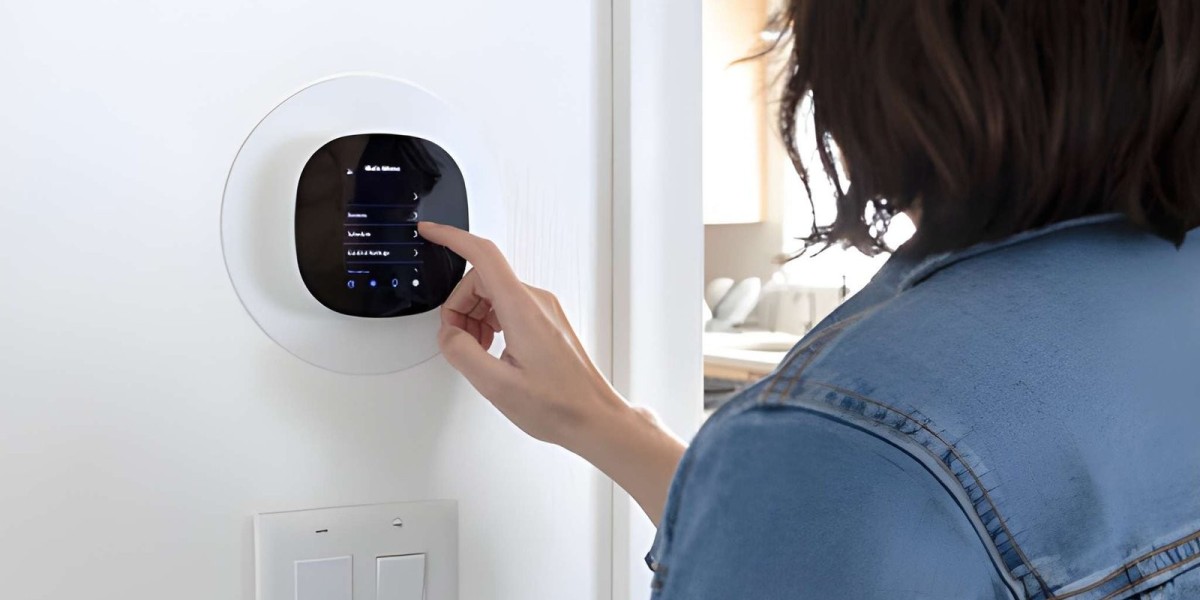
Climate control adjusts automatically based on time of day, occupancy, or pre-set schedules, which carries real weight in Abu Dhabi given the cost and necessity of year-round cooling. A system that pre-cools a villa before the family arrives home, or lowers usage in empty rooms, delivers noticeable savings over time.
Smart lighting allows scheduling, dimming, and remote control from a phone, removing the need to manually manage switches across a large villa or a multi-room apartment.
Automated blinds and curtains respond to sunlight intensity or time of day, reducing indoor heat buildup during the hottest parts of the day without anyone needing to adjust them by hand.
Smart locks and access control let residents manage entry remotely, grant temporary access to guests, drivers, or domestic staff, and receive notifications whenever someone enters or exits.
Integrated security devices, including cameras and motion sensors, connect into the same platform as the rest of the home, so a triggered alert can automatically adjust lighting or lock doors as part of one coordinated response rather than a separate, disconnected system.
A unified control app or voice assistant ties everything together, letting a homeowner manage the entire property from a single interface instead of switching between several apps.
Why Abu Dhabi Households Are Adopting This Quickly
A few local factors explain why automation has moved from niche to increasingly common here.
The emirate's climate makes automated cooling genuinely valuable rather than a convenience feature alone. With air conditioning representing a significant share of household energy use for much of the year, systems that adjust intelligently based on occupancy or time of day can meaningfully reduce costs without homeowners needing to think about it constantly.
Many residents in Abu Dhabi also travel frequently or maintain properties they don't occupy year-round, particularly in newer waterfront and island communities. Remote access to lighting, locks, and cameras offers real reassurance in these cases, allowing an owner to check on a property or grant access to a maintenance visit from anywhere.
New developments across the capital increasingly include the wiring and connectivity automation depends on as a standard feature, which has made adoption more accessible than it would be if every home required a full retrofit. As this becomes more common, expectations around what a modern home "should" include have shifted along with it.
How Automation Strengthens Everyday Security
One of the more meaningful shifts in recent automation systems is how closely they now work with home security. A motion sensor detecting unusual activity late at night doesn't just send a notification anymore. In an integrated system, it can simultaneously turn on exterior lighting, lock interior doors, and bring up the relevant camera feed on a homeowner's phone, all within seconds and without any manual action required.
This kind of coordinated response matters because it closes the gap between an event happening and someone actually being aware of it. For families sleeping through the night or owners traveling abroad, that immediate, automatic reaction is often more valuable than any single security device operating on its own.
Choosing the Right Setup for Your Household
Not every home needs the same combination of features, and a well-planned system should reflect actual household priorities rather than a generic list of add-ons.
Start by identifying what matters most. Some households prioritize energy efficiency, others security, and others simply want convenience features like voice-controlled lighting or scheduled climate adjustments. Clarity here prevents overspending on features that end up unused.
Consider compatibility with what's already in place. A system should ideally work with existing appliances and fixtures, or allow gradual expansion, rather than requiring a complete replacement from the outset.
Prioritize reliable local support. Automation depends on stable connectivity and occasional troubleshooting, and a provider familiar with Abu Dhabi's building types and infrastructure will handle installation and future adjustments far more smoothly than an unfamiliar overseas retailer.
Think about usability across the whole household, including guests, older family members, or domestic staff who may need to interact with parts of the system. A setup that's confusing for anyone besides the most tech-comfortable resident often ends up underused.
Plan for future scalability. A system that begins with lighting and climate control should be able to expand later into full security integration or additional zones without a complete overhaul.
Looking Ahead
As more of Abu Dhabi's developments are built with connected infrastructure from the ground up, home automation is shifting from an optional upgrade to something closer to a standard expectation. In the years leading up to 2027, expect tighter integration between automation platforms and broader smart city services, along with continued improvements in AI-driven energy management that reduce costs without requiring active oversight from homeowners.
Final Thoughts
Home automation in Abu Dhabi isn't about turning a house into a technology showcase. It's about making daily routines smoother, adding a genuine layer of security, and managing energy use more intelligently in a climate where that actually matters. At Smart Living Technology, we design systems around how our clients live, not around a fixed set of features that may or may not fit their household.
Frequently Asked Questions
How much does a home automation system typically cost in Abu Dhabi?
Costs depend on the number of rooms and systems included, ranging from a basic lighting and climate setup to a fully integrated system covering security and access control as well. Many homeowners start with a few core rooms and expand the system over time.
What is the difference between individual smart devices and a fully automated home?
A single smart device, like one smart plug, operates independently and needs to be controlled on its own. A fully automated home connects multiple systems together so they respond automatically to triggers like time of day, occupancy, or a security alert.
Why does automated climate control matter so much for Abu Dhabi homes?
Cooling represents a major share of household energy use for much of the year, and automated systems that adjust based on occupancy or schedule can noticeably reduce costs while maintaining comfort, without requiring constant manual adjustment.
How does home automation improve everyday home security?
Integrated systems connect sensors, cameras, and smart locks so a single trigger, like unexpected motion at night, can automatically turn on lights, lock doors, and alert the homeowner all at once, rather than relying on separate, disconnected devices.
What should a homeowner consider before choosing an automation provider in Abu Dhabi?
Key factors include compatibility with existing devices, the ability to scale the system over time, reliable local installation and support, and whether the system is easy enough for every member of the household to use comfortably.