
Pakistan has significant potential for solar energy, and the demand for renewable power continues to grow among homeowners, businesses, industries, and agricultural users. Solar systems can help customers generate electricity from sunlight while reducing their dependence on conventional grid power.
DSG Energy provides solar solutions in Pakistan for different sectors, including residential, commercial, industrial, and agricultural customers. The company describes its approach as a turnkey solar service, covering system design, installation, monitoring, net metering, customized structures, and after-sales support. Its website currently reports more than 780 MW of installations. DSG Energy
What Are Solar Solutions?
Solar solutions are systems and services that use solar energy to generate electricity for homes, businesses, factories, farms, and other facilities.
A complete solar project can include:
- Solar panels
- Solar inverters
- Mounting structures
- Electrical protection equipment
- Batteries where required
- Energy monitoring
- Net metering
- Installation and commissioning
- Operations and maintenance
The right configuration depends on electricity consumption, available space, budget, backup requirements, and the type of property.
Residential Solar Solutions in Pakistan
Residential solar systems are designed to meet the electricity requirements of homes. A typical assessment considers monthly electricity bills, major appliances, available roof space, shading, and the customer's preferred system configuration.
Homeowners can consider different options depending on their needs.
On-Grid Solar Systems
An on-grid system works alongside the electricity grid. Solar panels generate electricity during daylight hours, while the property remains connected to the grid.
For eligible customers, a grid-connected system may also be combined with the applicable net-metering arrangement.
Hybrid Solar Systems
A hybrid solar system combines solar panels, grid connectivity, and battery storage. Batteries can store energy for later use, depending on the system design.
This configuration can be suitable for customers who want solar generation along with additional backup capability.
Off-Grid Solar Systems
An off-grid system operates without a utility-grid connection. It normally requires sufficient battery capacity to supply electricity when solar generation is unavailable.
Such systems can be useful for remote locations where grid electricity is unavailable or difficult to access.
Commercial Solar Solutions
Businesses can use solar energy to generate electricity for offices, retail locations, schools, warehouses, hotels, and other commercial properties.
Commercial solar systems should be designed around the property's actual electricity consumption. Daytime operating patterns are particularly important because solar generation is highest during daylight hours.
DSG Energy provides turnkey solutions for commercial customers and states that its systems are customized according to load requirements and energy utilization. DSG Energy
A commercial solar project may include:
- Site assessment
- Energy analysis
- Solar system design
- Panel and inverter selection
- Structural installation
- Monitoring
- Net-metering assistance
- Maintenance
Industrial Solar Solutions
Industrial facilities often have much higher electricity requirements than residential properties. Factories may also operate heavy machinery, multiple shifts, and specialized electrical equipment.
Industrial solar projects therefore require detailed engineering and careful system planning.
DSG Energy provides industrial solar solutions and has published information about large-scale projects. Its website describes turnkey systems designed by qualified engineers and highlights installations across industrial, commercial, domestic, and agricultural sectors. DSG Energy
For an industrial solar project, engineers may evaluate:
- Electricity load profile
- Available installation area
- Roof and structural conditions
- Grid connection
- Solar generation potential
- Inverter requirements
- Electrical protection
- Monitoring requirements
- Future energy demand
Agricultural Solar Solutions
Agriculture is another important application for solar solutions in Pakistan. Farms can use solar power for irrigation, water pumping, and other agricultural operations.
Solar tube wells and water-pumping systems can be designed around pump capacity, water requirements, operating hours, and site conditions.
Agricultural customers should have their energy requirements assessed before selecting a system. Installing a system that is too small may not provide the required performance, while excessive capacity can increase project costs unnecessarily.
Solar Panels and Inverters
Solar panels and inverters are the main components of a photovoltaic system.
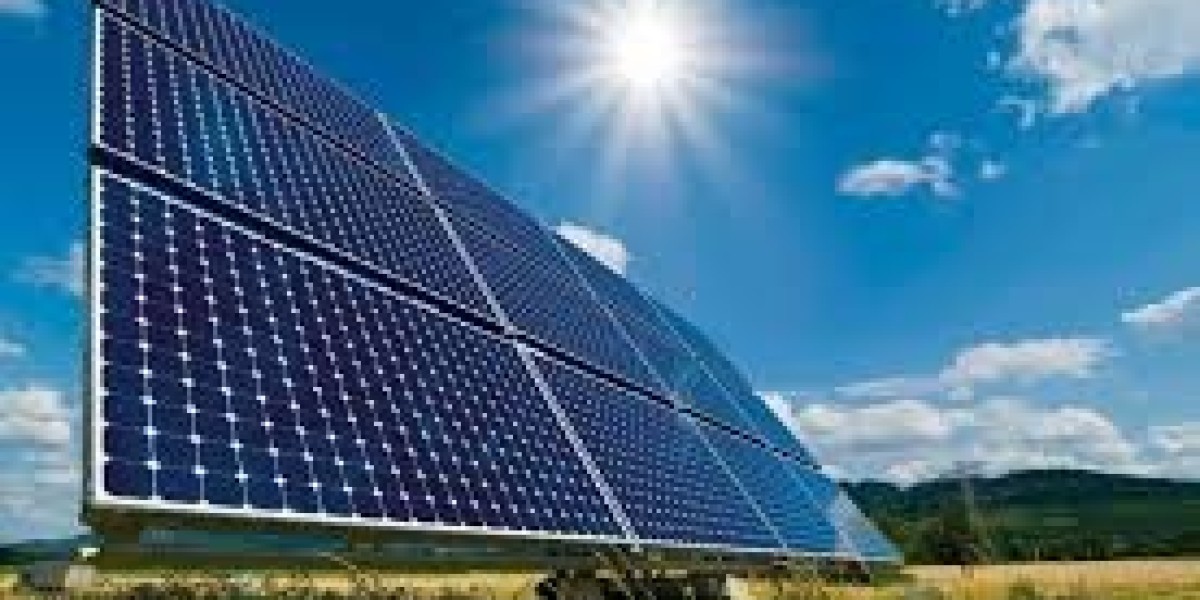
Solar panels convert sunlight into DC electricity. The inverter converts that electricity into AC electricity that can be used by electrical equipment.
DSG Energy states that it uses equipment from manufacturers including Jinko, JA Solar, Canadian Solar, Trina Solar, and Huawei, depending on project requirements. DSG Energy
When comparing equipment, customers should look at more than the brand name. Panel efficiency, inverter capacity, warranties, monitoring capabilities, operating conditions, and system compatibility are also important.
Energy Monitoring Solutions
Solar monitoring allows customers to track electricity production and energy consumption.
DSG Energy provides cloud-based energy monitoring systems that allow consumers to monitor consumption patterns and energy records remotely. DSG Energy
Monitoring can be particularly useful for commercial and industrial customers because their electricity requirements may change according to production schedules, operating hours, and seasonal demand.
A monitoring system can help identify unusual changes in generation and provide useful information about overall energy performance.
Net Metering Solutions
Net metering can be an important part of a grid-connected solar project.
Under the applicable framework, eligible solar customers can export surplus electricity to the grid and receive the relevant credit or adjustment according to prevailing rules.
DSG Energy includes net metering as part of its turnkey solar services. DSG Energy
Because electricity policies and regulations can change, customers should confirm the current requirements and applicable terms before finalizing a solar project.
Customized Solar Structures
Solar panels cannot be installed using exactly the same structure on every property. Buildings may have flat roofs, sheds, domes, beams, or other structural configurations.
DSG Energy states that it has experience with different solar structures, including flat, beam, dome-shell, and shed structures. DSG Energy
Proper structural design is important for safe installation and long-term system performance.
Solar Financing
The initial investment can be one of the biggest considerations when purchasing a solar system.
A solar company can help customers assess the financial feasibility of a project by considering system cost, expected electricity generation, electricity consumption, financing costs, and projected savings.
DSG Energy states that it assists customers with the financial feasibility of solar projects and references Pakistan's green financing initiatives. DSG Energy
Customers considering financing should carefully review interest rates, repayment periods, fees, warranties, and the complete project cost.
Solar Operations and Maintenance
Solar systems are designed for long-term use, but regular monitoring and maintenance remain important.
Dust, environmental conditions, electrical issues, inverter faults, and other problems can affect system performance.
DSG Energy provides operations and maintenance services and states that its O&M engineers are available around the clock for monitoring and after-sales support. DSG Energy
Regular maintenance can include system inspections, performance monitoring, electrical checks, cleaning, and troubleshooting where required.
Benefits of Solar Energy in Pakistan
Solar power can offer several potential benefits to Pakistani consumers.
Reduced Dependence on Grid Electricity
Generating electricity on-site can reduce the amount of electricity a property needs to purchase from the grid.
Renewable Energy Generation
Solar panels generate electricity without directly burning fossil fuels during operation, making solar an important renewable energy technology.
Energy Cost Management
A properly designed system may help households and businesses manage long-term electricity expenses. Actual savings depend on consumption, system size, tariffs, financing, maintenance, and other factors.
Applications Across Different Sectors
Solar systems can be designed for homes, offices, factories, farms, educational institutions, warehouses, and other facilities.
Energy Monitoring
Modern monitoring systems can provide information about electricity generation and consumption, helping customers understand system performance.
How to Choose Solar Solutions in Pakistan
Selecting a solar system should start with an assessment of actual energy requirements rather than simply choosing a specific panel count.
Customers should consider:
- Monthly electricity consumption
- Peak electricity demand
- Available roof or land area
- Shading conditions
- Solar panel specifications
- Inverter specifications
- Battery requirements
- Net-metering requirements
- Installation standards
- Warranty coverage
- Monitoring capabilities
- Operations and maintenance
- Complete project cost
A professional solar provider should explain these factors clearly before installation.
Why Choose DSG Energy for Solar Solutions?
DSG Energy provides an integrated approach to solar projects. Its website describes a one-window solution that includes customized solar designs based on load requirements and energy utilization, along with net-metering facilities. DSG Energy
The company also highlights cloud-based monitoring, 24/7 after-sales service, customized solar structures, equipment from established manufacturers, and assistance with financial feasibility. DSG Energy
Its services extend beyond solar energy to include energy monitoring systems, engineering consultancy, water management and treatment, and wind energy. DSG Energy
Solar Solutions for a Cleaner Energy Future
The demand for renewable energy in Pakistan is creating opportunities for homeowners, businesses, industries, and agricultural users to explore solar power.
However, every property has different requirements. A suitable solar system should be based on actual electricity consumption, site conditions, available space, equipment specifications, and financial considerations.
DSG Energy offers solar solutions across residential, commercial, industrial, and agricultural sectors, supported by system design, installation, monitoring, net metering, customized structures, and after-sales services. DSG Energy
For anyone researching solar solutions in Pakistan, understanding these different system options can make it easier to compare providers and choose a solution that matches their energy requirements.
Frequently Asked Questions
What solar solutions are available in Pakistan?
Solar solutions include residential, commercial, industrial, and agricultural systems. Depending on requirements, customers can choose on-grid, hybrid, or off-grid configurations.
Does DSG Energy provide solar solutions for industries?
Yes. DSG Energy provides turnkey solar solutions for industrial customers and designs systems according to facility requirements. DSG Energy
Does DSG Energy provide residential solar systems?
Yes. DSG Energy provides solar solutions for domestic customers along with commercial, industrial, and agricultural applications. DSG Energy
Does DSG Energy offer net metering?
Yes. Net metering is included among DSG Energy's turnkey solar services. DSG Energy
Why is energy monitoring important?
Energy monitoring helps customers track electricity generation and consumption and can provide useful information about solar system performance.
How do I choose the right solar system?
Start with your electricity consumption, peak load, available installation space, backup requirements, and budget. A professional site assessment should then be used to determine the appropriate system size and configuration.