
Existing buildings and industrial structures can develop cracks, seepage, concrete deterioration, weakened members, foundation issues, and other defects because of aging, environmental exposure, changing loads, or construction conditions. Retrofitting services help improve the performance of existing structures without immediately replacing the entire asset. PU grouting and injection grouting can complement rehabilitation work by treating leakage paths, cracks, voids, and other localized problems within concrete structures.
What Are Retrofitting Services?
Retrofitting services involve strengthening, repairing, modifying, or upgrading an existing structure so that it can continue performing according to its required structural and functional conditions. Structural retrofitting may become necessary when a building experiences deterioration, increased loading, changes in usage, design deficiencies, or damage. Depending on the assessment, solutions may include concrete repair, jacketing, strengthening systems, foundation improvement, crack injection, and waterproofing measures.
Why Existing Structures Need Retrofitting
A structure can gradually lose performance because of moisture penetration, reinforcement corrosion, concrete deterioration, excessive loading, settlement, poor construction, or prolonged environmental exposure. Visible cracks and seepage should therefore not always be treated as isolated surface defects. A detailed assessment helps identify whether the problem is cosmetic, durability-related, waterproofing-related, or structural. Appropriate retrofitting services can then be planned according to the actual condition and future requirements.
Role of PU Grouting in Structural Rehabilitation
PU grouting, also known as polyurethane grouting, is commonly used when water leakage, seepage, or difficult-to-seal cracks affect an existing concrete structure. The material is injected through suitable points into the affected area, where it can react and form a sealing material depending on the selected formulation. This makes PU grouting useful for targeted leakage control in basements, underground structures, tanks, joints, foundations, and other concrete elements.
What Is PU Injection Grouting?
PU injection grouting is a pressure-injection technique in which polyurethane grout is introduced into cracks, joints, voids, or leakage pathways through strategically positioned injection points. The grout travels through available openings and reacts according to its formulation and surrounding conditions. Certain PU systems can expand when they encounter moisture, helping seal water-bearing pathways. The method is particularly useful where conventional surface waterproofing cannot reach the actual source of leakage.
When Is PU Grouting Required?
PU grouting may be considered when concrete structures experience active water leakage, seepage through cracks, leaking construction joints, basement dampness, underground water ingress, or localized waterproofing failures. It can also be useful where access to the opposite side of a concrete element is difficult. However, the presence of a crack does not automatically mean PU grouting is appropriate. The crack condition, movement, water pressure, substrate, and structural requirement should be evaluated first.
PU Grouting for Water Leakage Control
Water entering through concrete cracks can gradually affect surrounding materials and reinforcement. Continuous moisture exposure may contribute to corrosion, staining, deterioration, and loss of concrete quality. PU grouting provides a targeted approach for sealing selected leakage pathways from accessible injection points. It can therefore form part of a broader waterproofing or structural rehabilitation program, particularly where external excavation or complete removal of an existing waterproofing system is impractical.
Understanding Injection Grouting
Injection grouting is a rehabilitation technique used to introduce a suitable grout material into cracks, voids, joints, porous areas, or other targeted zones. The selected grout may be cementitious, chemical, polyurethane, epoxy, or another specialized formulation depending on the application. Injection pressure, material properties, crack characteristics, and substrate condition all influence the treatment. Professional injection grouting contractors generally begin with an assessment before deciding the appropriate injection system.
Difference Between PU Grouting and Injection Grouting
PU grouting refers specifically to the use of polyurethane-based grout, while injection grouting describes the broader process of injecting grout into a structure or surrounding zone. Therefore, PU injection grouting is one type of injection grouting. Other systems can include epoxy injection, cement injection, microfine cement grouting, and chemical grouting. The correct choice depends on whether the primary objective is leakage sealing, crack bonding, void filling, structural repair, or ground improvement.
Choosing the Right Grouting Material
Selecting a grout should be based on the actual defect rather than simply choosing a commonly used product. Active water leakage may require a suitable polyurethane system, while a stable structural crack may require an appropriate epoxy injection system. Larger voids can require cementitious materials, whereas fine pathways may need specialized low-viscosity products. Moisture, crack movement, temperature, pressure, substrate condition, and the required performance should all influence material selection.
Injection Grouting Contractors and Their Role
Experienced injection grouting contractors are responsible for more than simply pumping material into cracks. Proper work requires defect identification, injection-point planning, surface preparation, equipment selection, pressure control, material handling, and post-injection inspection. Incorrect pressure or unsuitable material can create additional problems instead of resolving the original defect. A methodical approach helps ensure that the injection treatment is aligned with the condition of the concrete and the purpose of the rehabilitation work.
Retrofitting Services for RCC Structures
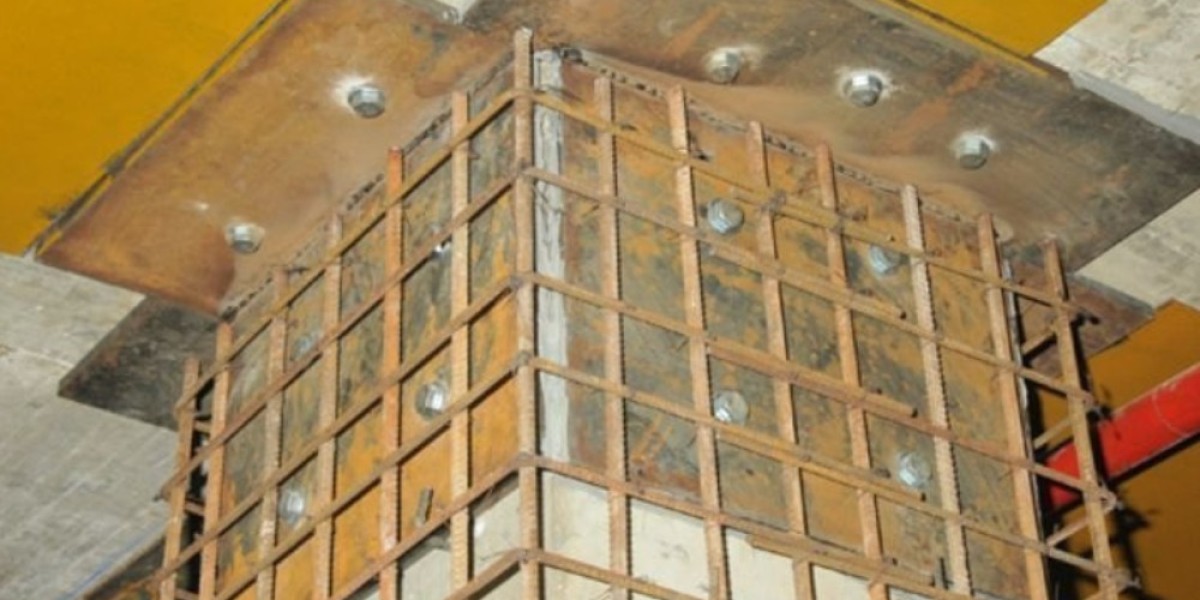
RCC buildings can require retrofitting when columns, beams, slabs, foundations, or other structural elements no longer provide the required performance. Depending on the assessment, solutions may involve concrete repair, RCC jacketing, steel jacketing, micro-concrete applications, carbon fibre strengthening, beam strengthening, slab strengthening, or foundation rehabilitation. Injection grouting may also be incorporated when cracks, voids, or leakage are contributing to deterioration. The final system should be selected based on engineering requirements.
Retrofitting and Concrete Crack Repair
Concrete cracks can have different causes, including shrinkage, thermal movement, settlement, overloading, reinforcement corrosion, construction deficiencies, and structural movement. Because every crack does not behave in the same way, the repair method should match its characteristics. Surface treatment may be suitable for certain non-structural cracks, while injection systems may be required for deeper or water-bearing pathways. Structural cracks need proper assessment before deciding whether injection, strengthening, or additional concrete repair is appropriate.
PU Injection Grouting for Basements
Basements are particularly vulnerable to groundwater pressure and seepage through cracks, construction joints, wall-floor connections, and other interfaces. PU injection grouting can provide a localized method for treating selected water-entry points without requiring complete excavation around the structure. Injection packers are installed at suitable locations and grout is introduced under controlled pressure. After the leakage path has been treated, the repaired area can undergo inspection and appropriate surface finishing.
Applications in Industrial Structures
Industrial buildings frequently contain foundations, pits, tanks, basements, process areas, retaining structures, machinery foundations, and other concrete components that can experience moisture and structural deterioration. Retrofitting services can help upgrade existing assets when operating conditions change or structural capacity needs improvement. PU grouting and injection grouting can address selected leakage and crack-related issues. Such localized rehabilitation can be integrated with concrete repair, waterproofing, protective coatings, and structural strengthening.
Injection Grouting for Foundations
Foundation problems can develop because of settlement, void formation, water movement, changes in soil conditions, or deterioration around the foundation zone. Depending on the cause, specialized grouting methods can be used to fill suitable voids or improve ground conditions. However, foundation grouting should not be selected solely because settlement is visible. Soil investigation, structural assessment, load conditions, and the extent of movement should be considered before choosing a foundation repair or stabilization method.
Retrofitting for Aging Buildings
Older buildings may require rehabilitation when deterioration becomes visible or when their functional requirements change. Increased occupancy, equipment loads, modifications, environmental exposure, and updated performance requirements can create the need for structural strengthening. Retrofitting services allow suitable components of an existing structure to be upgraded while retaining much of the original asset. Depending on the assessment, work may include strengthening, concrete restoration, corrosion treatment, waterproofing, crack repair, and foundation improvements.
Why Early Structural Assessment Matters
Early assessment helps distinguish between visible symptoms and the underlying cause of deterioration. A water stain, for example, may indicate a concealed leakage pathway rather than a simple surface waterproofing problem. Similarly, a concrete crack may be associated with shrinkage, movement, corrosion, settlement, or structural loading. Integrated Structural Recovery Planning helps connect inspection findings with appropriate repair, waterproofing, grouting, and strengthening measures instead of treating every defect with the same solution.
Process Followed for Injection Grouting
A typical injection grouting project begins with inspection and identification of the affected area. The crack or leakage pattern is then mapped, and suitable injection points are determined. The surface is prepared before packers or injection ports are installed. The selected grout is injected under controlled conditions, allowing it to enter the required pathway. After curing or reaction, the treated area is inspected and injection points are removed or finished appropriately.
Importance of Controlled Injection Pressure
Injection pressure plays an important role in successful grouting. Excessive pressure can cause unwanted grout movement, widen certain defects, or damage weak concrete. Insufficient pressure may prevent the material from reaching the intended pathway. Pressure should therefore be controlled according to the substrate, crack condition, grout characteristics, and site requirements. Proper equipment and trained personnel help maintain the required injection sequence while reducing the risk of uncontrolled material movement.
PU Grouting for Construction Joints
Construction joints can become common paths for water penetration when sealing systems deteriorate or when movement creates openings. PU injection grouting can be considered for selected leaking joints where the material can reach the water pathway and provide the required sealing response. Before injection, the joint condition, water pressure, movement, and surrounding concrete should be examined. Where movement is significant, the treatment may also require an appropriate flexible joint sealing system.
Retrofitting, Repair and Waterproofing Together
Structural rehabilitation often involves more than one repair technique because deterioration can have multiple causes. For example, water ingress may contribute to reinforcement corrosion, which can then cause concrete cracking and spalling. Treating only the visible crack may leave the underlying problem unresolved. Retrofitting, concrete repair, PU injection grouting, waterproofing, corrosion treatment, and strengthening can therefore be combined where technically appropriate to address different stages of deterioration.
Benefits of Professional Retrofitting Services
Professional retrofitting can help extend the usable life of existing structures while addressing specific performance deficiencies. It can reduce the need for unnecessary demolition when suitable portions of the existing structure remain serviceable. Proper rehabilitation can also improve structural capacity, control deterioration, address leakage, and support changes in building use. The actual benefit depends on the condition of the structure, selected methodology, workmanship, material quality, and maintenance after completion.
Selecting Injection Grouting Contractors
When selecting injection grouting contractors, project owners should consider technical experience, equipment, material knowledge, safety practices, inspection procedures, and the contractor's ability to understand the cause of the defect. A contractor should be able to explain why a particular grout is being recommended and how the injection process will be carried out. For a complete rehabilitation requirement, Gubbi Civil Engineers Limited can be considered alongside other qualified contractors after comparing their proposed methodology, scope, and technical suitability.
Maintenance After Grouting and Retrofitting
Repair work should not be considered the end of structural maintenance. Treated areas should be monitored for renewed leakage, crack movement, dampness, corrosion symptoms, or other changes. Periodic inspections can help identify developing problems before they become extensive. In industrial and commercial structures, maintenance records can also help track recurring defects and determine whether additional waterproofing, concrete repair, protective coating, or strengthening measures are required in the future.
Final Thoughts on Retrofitting and Grouting
Retrofitting services, PU grouting, PU injection grouting, and injection grouting contractors each address different aspects of existing-structure rehabilitation. The most suitable solution depends on the cause, location, severity, moisture condition, structural requirement, and future use of the asset. Instead of treating cracks or leakage as isolated surface problems, a condition-based approach can help identify the appropriate repair strategy and support longer-term structural performance, waterproofing, and rehabilitation requirements.
Frequently Asked Questions
Is PU grouting suitable for water leakage?
PU grouting can be suitable for selected active water leakage problems, particularly where water is travelling through cracks, joints, or concealed pathways. The appropriate polyurethane formulation and injection procedure depend on the moisture condition, water pressure, crack characteristics, and concrete condition. An assessment should be completed before treatment to determine whether PU injection grouting is suitable or whether another waterproofing or structural repair method is required.
What is the purpose of injection grouting?
Injection grouting is used to introduce suitable grout into cracks, voids, joints, porous areas, or other targeted locations. Depending on the material, it can help control water leakage, fill voids, improve bonding, or support rehabilitation work. The process is not limited to one grout type. Epoxy, polyurethane, cementitious, chemical, and microfine cement systems can all have different applications based on the project requirements.
Can PU injection grouting repair structural cracks?
PU injection grouting should not automatically be considered a structural crack repair method. Polyurethane systems are commonly associated with leakage sealing and waterproofing applications, while suitable epoxy systems may be considered for certain stable structural cracks. If a crack is structural, moving, or associated with reinforcement corrosion or significant deterioration, an engineering assessment should determine the appropriate repair and strengthening strategy.
How are injection grouting contractors selected?
Injection grouting contractors should be evaluated based on their understanding of structural defects, experience with relevant grouting systems, equipment, safety procedures, material selection, and quality-control practices. The proposed methodology should explain how the defect will be assessed, where injection points will be placed, how pressure will be controlled, and how the completed treatment will be verified. Comparing technical approaches is more useful than selecting a contractor only on price.
Where are retrofitting services commonly required?
Retrofitting services can be required in aging residential buildings, commercial properties, industrial facilities, warehouses, bridges, foundations, water-retaining structures, and other infrastructure assets. Typical reasons include deterioration, increased loads, changes in building use, structural deficiencies, environmental exposure, or the need to improve existing performance. The specific strengthening method depends on the condition and structural requirements identified during inspection.
Can PU grouting be combined with structural repair?
Yes, PU grouting can be incorporated into a broader structural rehabilitation strategy when leakage or water ingress is contributing to deterioration. For example, leakage may first require injection treatment before concrete restoration or strengthening is undertaken. The sequence depends on the condition of the structure. Combining repair methods should be based on the actual cause of deterioration rather than applying multiple treatments without a defined technical purpose.
Retrofitting services, PU grouting, and PU injection grouting offer practical solutions for repairing, strengthening, and protecting existing structures. From concrete cracks and water leakage to structural deterioration and rehabilitation requirements, the right method depends on the condition and application. Experienced injection grouting contractors can assess the affected area and recommend suitable techniques and materials.