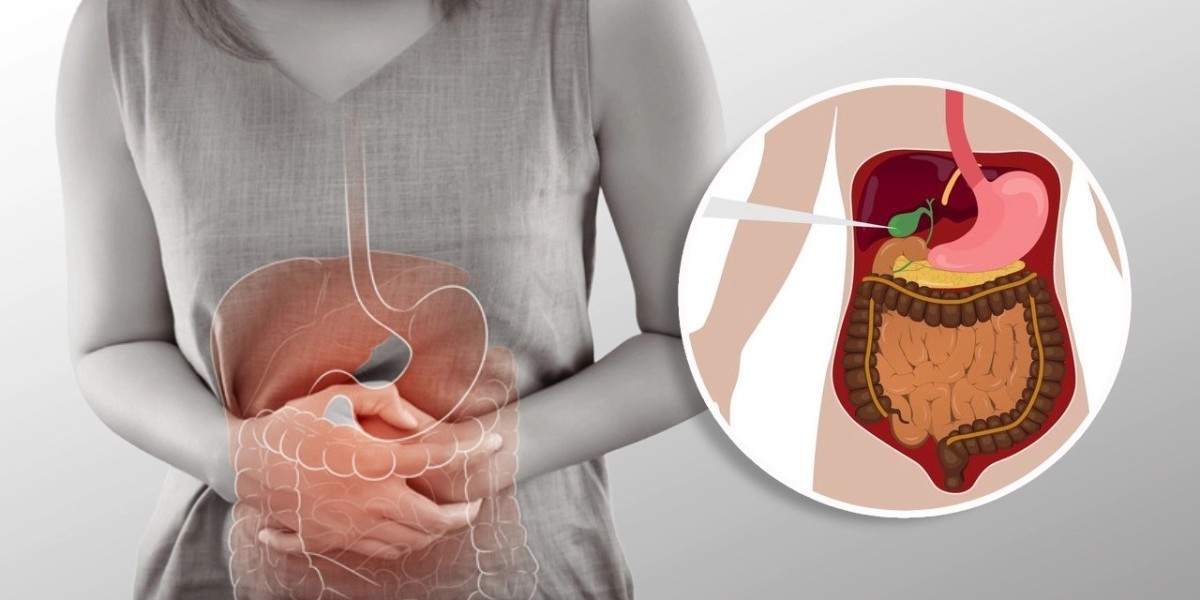

Gallbladder surgery, medically known as cholecystectomy, is an operation used to remove the gallbladder. It is commonly recommended when gallstones cause repeated pain, inflammation, infection, or other complications. The gallbladder stores bile produced by the liver, but it is not essential for normal digestion, so most people can live normally after it is removed.
If you are looking for Gall bladder in Islamabad, understanding how the procedure works can help you prepare for a consultation. A surgeon can evaluate your symptoms, medical history, imaging results, and overall health before deciding whether surgery is appropriate.
What Is Gallbladder Surgery?
Gallbladder surgery involves removing the gallbladder rather than simply removing individual gallstones. The most common approach is laparoscopic cholecystectomy, also called keyhole surgery. It uses several small abdominal incisions through which a camera and specialized surgical instruments are inserted.
In some circumstances, surgeons may perform an open cholecystectomy, which involves a larger abdominal incision. Open surgery may be necessary when the gallbladder is severely inflamed, infected, scarred, or difficult to remove safely using the laparoscopic approach.
Why Is Gallbladder Surgery Needed?
Gallbladder removal is generally considered when gallstones or gallbladder disease are causing symptoms or complications. Repeated gallstone attacks can produce significant abdominal pain, while blockage of the bile ducts can lead to inflammation, infection, or other problems.
People with symptomatic gallstones may experience pain in the upper-right or upper-middle abdomen, nausea, vomiting, or discomfort after meals. Complications such as acute cholecystitis or gallstone-related pancreatitis may also require medical or surgical treatment.
Not everyone with gallstones needs an operation. Gallstones that do not cause symptoms may sometimes be monitored instead of treated surgically. The decision depends on the individual's symptoms and clinical circumstances.
How Does Laparoscopic Gallbladder Surgery Work?
Before surgery, the patient receives general anesthesia, meaning they are asleep throughout the operation and do not feel the procedure. The surgeon then makes several small cuts in the abdomen. A laparoscope, which is a thin instrument with a camera, is inserted through one of these openings.
The abdomen is gently inflated with gas to create space for the surgeon to see and work safely. The camera sends images to a monitor, allowing the surgical team to view the gallbladder and surrounding structures.
Special surgical instruments are then inserted through the other small openings. The surgeon carefully separates the gallbladder from surrounding tissues and removes it through one of the incisions. Once the procedure is complete, the instruments are removed, the gas is released, and the small wounds are closed.
What Happens During Open Gallbladder Surgery?
Open gallbladder surgery follows the same basic goal but uses a larger incision. Instead of operating through several small openings, the surgeon makes a larger cut in the abdomen to access and remove the gallbladder.
This approach may be selected when inflammation, infection, previous abdominal surgery, scarring, or other factors make keyhole surgery unsuitable or unsafe. In some cases, a laparoscopic operation may also need to be converted to open surgery if the surgeon encounters difficulties during the procedure.
Because the incision is larger, open surgery generally involves more discomfort and a longer recovery period than laparoscopic surgery.
How Long Does Gallbladder Surgery Take?
The operation itself commonly takes around an hour, although the exact duration varies depending on the patient's condition and the complexity of the procedure. Preparation before surgery and monitoring afterward add additional time to the hospital visit.
If the surgery is straightforward and performed laparoscopically, many patients can leave the hospital on the same day after they have recovered sufficiently from anesthesia. Some patients may need to remain overnight for observation.
What Happens Immediately After Surgery?
After gallbladder surgery, the patient is moved to a recovery area where healthcare professionals monitor vital signs and recovery from anesthesia. Pain relief may be provided to control discomfort.
After laparoscopic surgery, some people experience soreness around the small incisions. Shoulder discomfort can also occur because gas used during the procedure can temporarily irritate tissues inside the abdomen. These symptoms generally improve as recovery progresses.
Patients are usually encouraged to begin moving gradually after surgery. Drinking fluids and eating can normally resume according to the healthcare team's instructions.
How Does Recovery Work?
Recovery depends on the type of surgery and the individual's health. Laparoscopic surgery generally allows a faster return to normal activities than open surgery. NIDDK states that many people undergoing laparoscopic cholecystectomy can return to normal physical activity in about a week, although individual recovery varies.
At home, patients may initially feel tired and sore. Light activity is generally encouraged, while strenuous exercise and heavy lifting should be avoided until the surgical team says they are safe. NHS guidance notes that returning to work may be possible within one to two weeks for some people, depending on the type of work and surgery.
Open surgery normally requires a longer recovery because of the larger abdominal incision.
Can You Eat Normally After Gallbladder Removal?
Most people can eventually return to a normal, healthy diet after gallbladder removal. The liver continues to produce bile after surgery, but instead of being stored in the gallbladder, bile flows directly into the small intestine.
Some people find that smaller meals are easier to tolerate during the first few days after surgery. A balanced diet and gradual return to normal eating can help during the recovery period.
A small number of people may experience softer or more frequent stools after gallbladder removal because bile reaches the intestine more continuously. These changes may improve with time, although persistent symptoms should be discussed with a healthcare professional.
What Are The Benefits Of Gallbladder Removal?
For people whose symptoms are caused by gallstones or gallbladder disease, removing the gallbladder can prevent recurrent gallbladder attacks and address problems associated with symptomatic stones. It also removes the organ where gallstones are forming.
Laparoscopic surgery offers the advantage of smaller incisions compared with open surgery and is generally associated with a quicker recovery.
However, surgery is still a medical procedure, and the potential benefits and risks should be discussed with a qualified surgeon before treatment.
Are There Risks With Gallbladder Surgery?
Like other operations, gallbladder surgery can involve risks. Possible problems include wound infection, bleeding, bile leakage, injury to nearby structures, blood clots, or complications related to anesthesia. Some patients may also experience digestive changes following surgery.
The specific risks vary depending on factors such as the patient's health, whether surgery is planned or urgent, the severity of gallbladder inflammation, and whether the operation is laparoscopic or open.
A surgical consultation allows these risks to be considered alongside the expected benefits before treatment is planned.
When Should You Seek Medical Help After Surgery?
Some discomfort is expected after gallbladder removal, but certain symptoms require medical assessment. Worsening abdominal pain, fever, jaundice, persistent vomiting, or redness and discharge around an incision can indicate a possible complication.
Patients should follow the discharge instructions provided by their surgical team and contact their healthcare provider if symptoms become concerning or do not improve as expected.
Can You Live Without A Gallbladder?
Yes. The gallbladder is useful for storing and concentrating bile, but it is not essential for digestion. After removal, the liver continues producing bile, which flows directly into the small intestine. Most people can return to their usual activities and diet after recovery.
This is one reason gallbladder removal can be an effective treatment for people experiencing repeated problems from symptomatic gallstones.
Conclusion:
Gallbladder surgery works by removing the gallbladder, most commonly through laparoscopic keyhole surgery. During the procedure, the surgeon uses small abdominal incisions, a camera, and specialized instruments to safely remove the gallbladder. Open surgery may be used when keyhole surgery is unsuitable or cannot be completed safely.
Recovery is generally quicker after laparoscopic surgery, and most people can eventually return to a normal diet and everyday life without a gallbladder. If you need professional evaluation or guidance about gallstones and gallbladder surgery, JJ medics can be consulted for appropriate medical care.