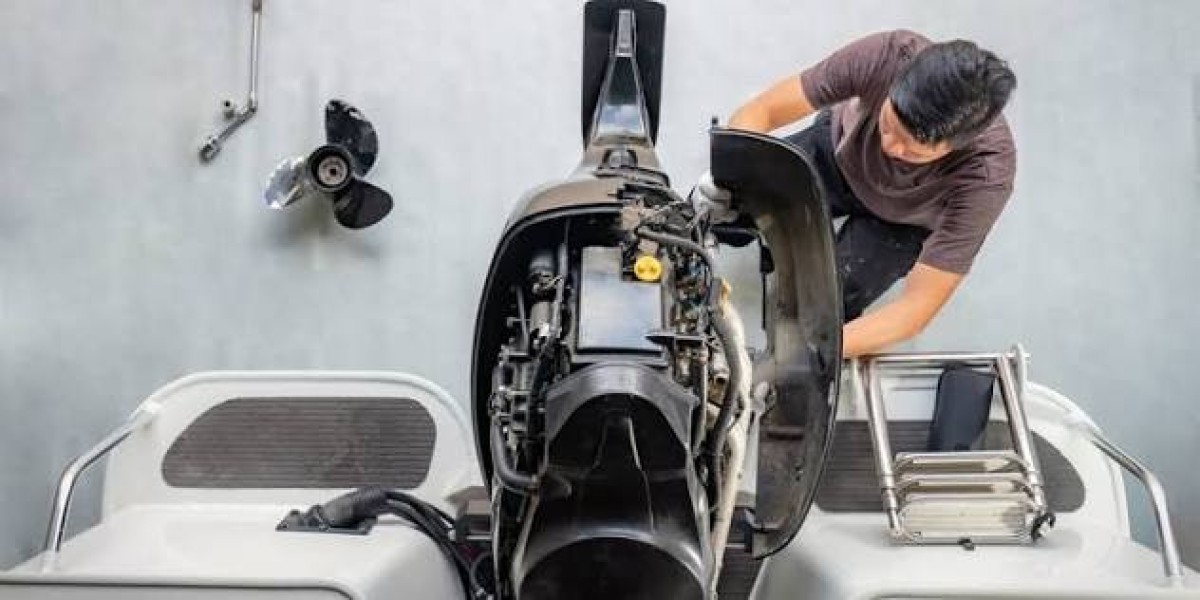

Owning a boat is a great way to enjoy fishing, family trips, and offshore adventures, especially in Florida. However, keeping your boat in good condition requires regular care and attention. Professional Outboard Engine Service helps boat owners find small engine problems before they turn into expensive repairs. Whether you use your boat for weekend fishing or long trips along the coast, understanding the early warning signs can help protect your engine, improve performance, and make every trip safer.
An outboard engine works hard in saltwater, freshwater, and changing weather conditions. Over time, heat, corrosion, worn parts, and poor maintenance can affect its performance. Some problems begin with small changes, such as unusual sounds or difficulty starting the engine. Others appear as reduced power or increased fuel consumption. Recognizing these signs early can help you avoid unexpected breakdowns and keep your boat ready for the water.
Why Regular Outboard Engine Service Matters
An outboard engine is one of the most important parts of your boat. It provides the power needed to move through the water, reach fishing locations, and return safely to shore. Without proper maintenance, even a reliable engine can develop problems that affect performance and safety.
Regular service may include checking engine oil, inspecting fuel lines, replacing filters, testing the cooling system, examining spark plugs, and checking the propeller. The exact maintenance schedule depends on the engine manufacturer, engine type, operating hours, and conditions.
Boat owners in Florida should pay particular attention to saltwater exposure. Salt can speed up corrosion and damage metal parts when the engine is not rinsed and maintained properly. Regular inspections can also help identify problems caused by heat, sand, debris, and long periods of use.
Working with experienced marine professionals, such as Grander Marine Stabilizers, can help you understand your boat's maintenance needs and identify the right services for reliable operation.
Top 10 Signs Your Boat Needs Outboard Engine Service
1. Your Engine Is Difficult to Start
One of the first signs of an engine problem is difficulty starting your boat. If the engine takes several attempts to start, runs roughly after starting, or does not start at all, something may need attention.
Several issues can cause starting problems. The battery may be weak, the spark plugs may be worn, or the fuel system may not be delivering enough fuel. Old fuel, clogged filters, damaged electrical connections, and faulty ignition components can also affect starting performance.
Do not ignore repeated starting problems. Continuing to turn the engine over without finding the cause may drain the battery and create additional frustration when you are ready to leave the dock.
A professional inspection can help identify the cause and determine whether the engine needs new spark plugs, fuel system cleaning, electrical repairs, or another maintenance procedure.
If your boat regularly struggles to start, schedule an inspection before planning a long offshore trip.
2. Your Engine Makes Unusual Noises
A healthy outboard engine should operate with a consistent sound. If you notice new knocking, grinding, rattling, or high-pitched squealing, it may indicate a mechanical problem.
Different sounds can point to different issues. A rattling noise might come from a loose component, while grinding may indicate a problem involving moving parts. Knocking can sometimes signal a more serious engine issue that requires immediate attention.
It is important to notice when the noise occurs. Does it happen when starting the engine, accelerating, shifting gears, or running at higher speeds? This information can help a technician diagnose the problem.
Never assume a new sound is harmless simply because the engine continues to run. If the noise is loud, sudden, or accompanied by vibration, overheating, or a loss of power, shut the engine down when safe and have it inspected.
Early diagnosis may prevent damage to expensive engine components.
3. Your Boat Loses Power While Running
A noticeable loss of engine power is another warning sign. You may find that your boat takes longer to reach cruising speed or struggles to maintain its normal speed even when carrying a familiar load.
Several problems can cause reduced performance. Clogged fuel filters, damaged spark plugs, poor fuel quality, restricted airflow, propeller damage, and cooling system problems may all affect engine output.
The propeller is especially important because damage or an unsuitable propeller can reduce efficiency and make the engine work harder. However, not every performance problem comes from the propeller, so a complete inspection is often the best approach.
Professional Outboard Engine Service can help determine whether the problem comes from fuel delivery, ignition, propeller condition, or another engine component.
Reduced power can become dangerous when you need to navigate strong currents, changing weather, or offshore conditions. Addressing the problem early helps improve reliability and reduces the risk of being stranded on the water.
4. Your Engine Overheats Frequently
Outboard engines rely on a cooling system to control operating temperature. Many use surrounding water to remove heat, so problems with water intake or circulation can quickly lead to overheating.
Common causes include blocked water intake openings, debris, a damaged water pump impeller, restricted cooling passages, or a faulty thermostat. Running the engine in shallow water or areas with sand and debris can also contribute to cooling problems.
You may notice an overheating warning, an alarm, reduced engine power, or an unusual temperature reading. Some engines also use a protective system that limits performance when overheating occurs.
Never ignore an overheating alarm. Continuing to operate an overheated engine can cause severe internal damage and lead to costly repairs.
Stop the engine when it is safe to do so and follow the manufacturer's instructions. Allow the engine to cool before inspection, and avoid opening hot cooling system components or placing your hands near moving parts.
A marine technician can inspect the water pump, cooling passages, thermostat, and other components to find the cause.
5. Your Boat Uses More Fuel Than Usual
Have you noticed that your boat needs more fuel to complete the same trip? A sudden change in fuel consumption can indicate an engine or operating problem.
Dirty fuel filters, worn spark plugs, fuel system faults, damaged propellers, and engine performance issues can reduce efficiency. Excessive boat weight, rough water, high speeds, and changes in operating conditions can also increase fuel use.
Start by comparing fuel consumption under similar conditions. If the engine consistently uses more fuel than before, have it inspected rather than assuming the change is normal.
A professional technician can check the fuel delivery system, ignition components, propeller, and engine operating data where available.
Improving fuel efficiency is not only about saving money. It can also help you plan trips more accurately and maintain a safer fuel reserve when traveling offshore.
Regular maintenance helps keep your engine operating as intended and makes it easier to identify changes before they become serious problems.
6. You Notice Fuel Leaks or Strong Fuel Smells
Fuel leaks should always be treated seriously. If you notice gasoline around the engine, damaged fuel lines, wet connections, or a strong fuel smell, stop and investigate the problem safely.
Fuel leaks may develop because of cracked hoses, loose connections, damaged seals, deteriorated primer bulbs, or other fuel system faults. Heat, vibration, age, and exposure to marine conditions can contribute to wear.
Gasoline vapors can ignite easily. If you suspect a leak, do not start the engine or operate electrical equipment that could create a spark. Avoid smoking and other ignition sources, and follow your boat manufacturer's emergency procedures.
If the smell is strong or a leak is visible, move people away from the affected area and seek qualified assistance.
A trained marine technician can inspect the fuel lines, connections, tank system, and related components. Replacing worn parts before they fail completely can help prevent dangerous situations and unexpected breakdowns.
Fuel system problems should never be postponed simply because the boat still runs.
7. Your Engine Vibrates More Than Normal
Some vibration is normal when an outboard engine is running. However, a sudden increase in vibration or a new shaking sensation can indicate that something is wrong.
Possible causes include a damaged or unbalanced propeller, fishing line wrapped around the propeller shaft, loose mounting hardware, worn engine mounts, or a problem involving the lower unit.
In some cases, vibration may also come from engine misfiring. This is why it is important not to replace a propeller or another component without checking the actual cause.
If the vibration begins after hitting floating debris or a submerged object, stop when safe and inspect the boat according to the manufacturer's guidance. Do not reach near a propeller while the engine is running or capable of starting.
A marine mechanic can examine the propeller, mounting system, engine operation, and lower unit to identify the source of the vibration.
Fixing the issue early can prevent additional wear and improve comfort while cruising or fishing.
8. You See Corrosion, Rust, or Damaged Parts
Marine engines operate in a challenging environment. Saltwater, moisture, heat, and constant exposure to the elements can gradually damage engine components.
Look for corrosion around electrical connections, mounting hardware, brackets, fasteners, and visible metal surfaces. Also inspect fuel hoses, wiring insulation, clamps, and other accessible components for signs of deterioration.
Salt deposits around the engine may indicate that cleaning and corrosion protection need more attention. Damaged electrical connections can cause starting problems, unreliable instruments, and intermittent engine faults.
After operating in saltwater, follow the engine manufacturer's flushing instructions. Use the recommended corrosion protection products and arrange periodic inspections, especially if the boat is stored outdoors or used frequently.
Do not assume that a clean exterior means the engine is in perfect condition. Some corrosion develops in areas that are difficult to see without removing covers or components.
Regular inspections and preventive maintenance can help identify damage before it affects engine reliability.
9. Your Engine Idles Roughly or Stalls
An outboard engine should generally idle smoothly under the conditions described in its operating manual. If the engine shakes excessively, struggles to maintain idle speed, or stalls unexpectedly, it may need attention.
Common causes include dirty fuel injectors or carburetor passages, clogged fuel filters, worn spark plugs, air leaks, poor fuel quality, and ignition problems. The exact cause depends on the engine design and operating conditions.
Rough idling may seem like a minor inconvenience at the dock, but it can become a bigger issue when maneuvering in a marina or moving through a crowded area.
Repeated stalling can also make it harder to control the boat when you need reliable engine response.
A technician can inspect the ignition system, fuel delivery, air intake, and other relevant components. Modern outboards may also support diagnostic scans that help identify stored fault codes or abnormal sensor readings.
Avoid trying random repairs without proper information. Correct diagnosis can save time, prevent unnecessary part replacements, and restore dependable engine operation.
10. Warning Lights or Engine Alarms Appear
Modern outboard engines often include warning lights, audible alarms, and electronic monitoring systems. These features help alert boat owners to problems such as overheating, low oil pressure, charging system faults, or other detected issues.
The meaning of an alert depends on the engine manufacturer and model. Some warnings require an immediate shutdown, while others indicate that the engine needs prompt inspection.
Always consult the owner's manual to understand the specific warning. Never assume an alarm is harmless just because the engine continues running.
A technician may use compatible diagnostic equipment to retrieve fault codes, check sensors, and test the affected system. The warning itself is only part of the diagnosis; identifying the underlying cause is essential.
This is especially important if an alarm appears alongside reduced power, rough operation, unusual noises, or overheating.
Addressing warning signals promptly can help prevent a small fault from developing into a major repair.
How to Prevent Expensive Outboard Engine Repairs
Recognizing the warning signs is important, but prevention is even better. A consistent maintenance routine can help keep your boat reliable throughout the boating season.
Follow these practical steps:
- Follow the manufacturer's maintenance schedule: Check the recommended service intervals based on time and engine operating hours.
- Inspect engine oil and fluids: Use the correct products and check levels according to the owner's manual.
- Maintain the fuel system: Use suitable fuel, replace filters as recommended, and inspect hoses and connections for damage.
- Flush the engine after saltwater use: Follow the manufacturer's procedure to help reduce salt buildup.
- Check the propeller: Look for visible damage, unusual wear, and fishing line around the shaft.
- Monitor engine performance: Pay attention to starting, acceleration, vibration, temperature, and fuel consumption.
- Protect electrical components: Check accessible wiring and connections for corrosion or damage.
- Arrange professional inspections: Have a qualified marine technician check components that require specialist tools or knowledge.
Boat owners should also keep a record of service dates, repairs, engine hours, and replaced parts. These records help identify recurring problems and make it easier to plan future maintenance.
When Should You Contact a Professional Marine Mechanic?
You should contact a professional when engine problems continue after basic checks, warning alarms appear, fuel leaks develop, or the engine overheats or loses power.
Some maintenance tasks may be suitable for experienced boat owners, but complex fuel, electrical, ignition, and internal engine repairs often require specialized knowledge. Incorrect repairs can create safety risks and may cause further damage.
If you are searching for a Boat Mechanic Near Me, look for a marine service provider with experience working on your engine brand and model. Ask about diagnostic capabilities, maintenance procedures, service records, and the scope of repairs offered.
Boat owners looking for Boat Repair Jacksonville FL or broader Boat Repair Florida services should also consider the technician's experience with local boating conditions. Saltwater exposure, seasonal use, and offshore trips can create specific maintenance needs.
For boaters around Southwest Florida, Boat Maintenance Naples and Boat Maintenance Fort Myers are also useful service searches when arranging local maintenance.
Searching for Marine Mechanic Near Me or Marine Repair Near Me can help you identify nearby options, but always confirm that the provider works on your specific engine and offers the service you need.
How Marine Stabilization Can Improve Your Boating Experience
Engine maintenance is only one part of keeping a boat comfortable and dependable. If your boat experiences excessive pitch, roll, or unwanted movement, marine stabilization technology may also be worth considering.
A Boat Stabilizer can help improve comfort and control, depending on the technology used, the boat's design, and operating conditions. Seakeeper Ride is a dynamic trim control system designed to help reduce unwanted boat motion while underway.
Boat owners researching the Seakeeper Ride System should consider their hull design, boat length, operating speed, and intended use. Products such as Seakeeper Ride 450 and other systems should be evaluated for compatibility rather than selected by model name alone.
The Seakeeper 450 is a different product category from the Seakeeper Ride 450. Traditional Sea Keeper gyro stabilization uses a gyroscope to counter boat motion, while Seakeeper Ride uses fast-acting transom-mounted controllers to adjust the boat's attitude underway.
Understanding these differences helps owners select a solution that matches their needs.
What Should You Know About Seakeeper Ride Installation?
Professional Seakeeper Ride Installation requires attention to boat compatibility, transom layout, electrical requirements, system configuration, and manufacturer instructions. Correct installation helps ensure that the equipment operates as intended.
A qualified Seakeeper Ride Dealer can help determine whether a particular model suits your boat and explain the installation process. Owners comparing the seakeeper ride 450 price, Seakeeper Ride Price, or Seakeeper Ride 525 Price should request a quote that clearly separates equipment, installation, and any additional work.
Pricing depends on the selected system, boat configuration, installation requirements, and dealer terms. Ask for a boat-specific estimate rather than relying on a general price range.
Marine Electronics Installation may also be relevant when a project requires compatible displays, controls, wiring, or other electronic components. The required work depends on the boat and selected equipment.
If you are considering stabilization equipment, compare the expected benefits with your boating habits, maintenance needs, and budget before making a decision.
Marine Services for Florida Boat Owners
Florida boat owners need dependable service because marine engines and onboard systems face regular exposure to saltwater, humidity, heat, and changing weather.
Whether you need routine engine maintenance, troubleshooting, or help evaluating stabilization technology, choose a provider that explains the problem clearly and recommends work based on the boat's actual condition.
Mobile Seakeeper service for breakdowns at a private dock may be useful when a system issue requires on-site attention. However, availability depends on the provider, service area, and type of fault.
Owners experiencing Seakeeper error codes should look for marine professionals familiar with the relevant system and its diagnostic procedures. Annual Seakeeper inspection and maintenance can also help identify wear, connection problems, or other issues before the next boating season.
For small sportfishing boats, ride-comfort upgrades should be selected according to hull design, operating conditions, and the owner's goals. Stabilization equipment does not replace regular engine maintenance, safety checks, or correct boat handling.
Working with experienced marine professionals helps you make informed decisions about both propulsion and onboard technology.
Final Thoughts
Outboard engines provide the power you need for fishing, cruising, and exploring Florida's waterways, but they require regular attention to remain dependable. Difficult starting, unusual noises, reduced power, overheating, increased fuel consumption, fuel leaks, vibration, corrosion, rough idling, and warning alarms are all signs that your engine may need professional inspection. Acting early can help prevent unexpected breakdowns, reduce repair costs, and protect your time on the water. Follow your manufacturer's maintenance schedule, keep accurate service records, and seek qualified assistance when a problem appears. For boat owners who also want to improve ride comfort and explore marine stabilization options, grandermarinestabilizers is a relevant resource for learning about stabilization systems and related marine services. Combining responsible engine care with the right equipment and professional guidance can help you enjoy safer, more comfortable boating throughout Florida.
Frequently Asked Questions (FAQs)
1. How often should an outboard engine be serviced?
Service intervals depend on the engine manufacturer, model, operating hours, and conditions. Follow the owner's manual for scheduled maintenance and arrange additional inspections when you notice unusual noises, overheating, starting problems, or other changes in performance.
2. What are the most common signs of outboard engine trouble?
Common warning signs include difficult starting, rough idling, loss of power, unusual vibration, overheating, higher fuel consumption, fuel smells, visible corrosion, and engine warning alarms. These symptoms should be checked before they lead to more serious damage.
3. Can regular Outboard Engine Service reduce repair costs?
Yes. Preventive maintenance can help identify worn components, clogged filters, cooling system issues, and other problems before they cause more extensive damage. It cannot prevent every failure, but it can reduce avoidable repairs and improve reliability.
4. What should I do if my outboard engine overheats?
Stop the engine when safe and follow the manufacturer's instructions. Allow it to cool and arrange an inspection if the cause is unclear or the problem returns. Never continue running an engine with an active overheating warning.
5. Is Seakeeper installation worth it for Florida offshore boating?
It can be worthwhile for boat owners who want to reduce unwanted motion and improve comfort, but the benefits depend on the boat and selected technology. Seakeeper Ride and traditional gyroscopic Seakeeper systems work differently, so discuss your boat's design and typical operating conditions with a qualified dealer before choosing a system.
6. Is mobile Seakeeper service available for breakdowns at a private dock?
Some marine service providers offer mobile assistance, but coverage depends on location, technician availability, system type, and the nature of the fault. Contact the provider with your boat details and any displayed error codes to determine whether an on-site visit is possible.
7. What options improve ride comfort on small sportfishing boats?
Possible options include correct engine trim, a suitable propeller, appropriate weight distribution, hull maintenance, and compatible stabilization technology. Seakeeper Ride may be an option for eligible boats, but suitability depends on the hull, size, speed range, and installation requirements.
8. Which marine services specialize in Seakeeper error codes?
Look for a marine technician or authorized dealer familiar with the specific Seakeeper system installed on your boat. Ask whether they can read system diagnostics, inspect electrical connections, interpret error codes, and follow the manufacturer's troubleshooting procedures.
9. Is annual Seakeeper inspection and maintenance necessary for cruising yachts?
The recommended schedule depends on the specific system and manufacturer guidance. Routine inspections and scheduled maintenance can help identify developing issues and keep the equipment operating as intended. Follow the applicable service requirements for your model.
10. Should I repair my outboard engine myself or hire a marine mechanic?
Basic visual inspections and maintenance tasks may be suitable for owners who understand the manufacturer's instructions. Fuel leaks, persistent overheating, electrical faults, internal engine problems, and recurring warning alarms should be handled by a qualified professional when specialized tools or technical knowledge are needed.