
Introduction
Burns can happen at home, at work, or outdoors. Hot water, steam, fire, chemicals, and electrical sources can all damage the skin. Some burns are minor and heal with basic first aid, while others need urgent medical attention. Knowing the best treatment for burns can help you respond quickly, reduce further skin damage, and recognize when professional care is necessary.
ER OF FORT WORTH provides emergency medical evaluation for people who need prompt care for burns and other urgent health concerns. The right treatment depends on the burn’s cause, size, depth, and location, as well as the person’s age and overall health.
What Is the Best Treatment for Burns?
The best treatment for a burn depends on how serious it is. For a minor thermal burn, the first step is to cool the affected area with cool running water. More serious burns may require emergency treatment, wound care, pain relief, or specialist attention.
Quick answer: Cool a minor burn under cool running water for about 20 minutes, remove tight items near the injury if they are not stuck to the skin, and cover it loosely with a clean, non-fluffy dressing. Do not use ice, butter, toothpaste, or household remedies. Seek emergency care for severe burns or burns involving high-risk areas.
7 Important Steps for Burn Treatment
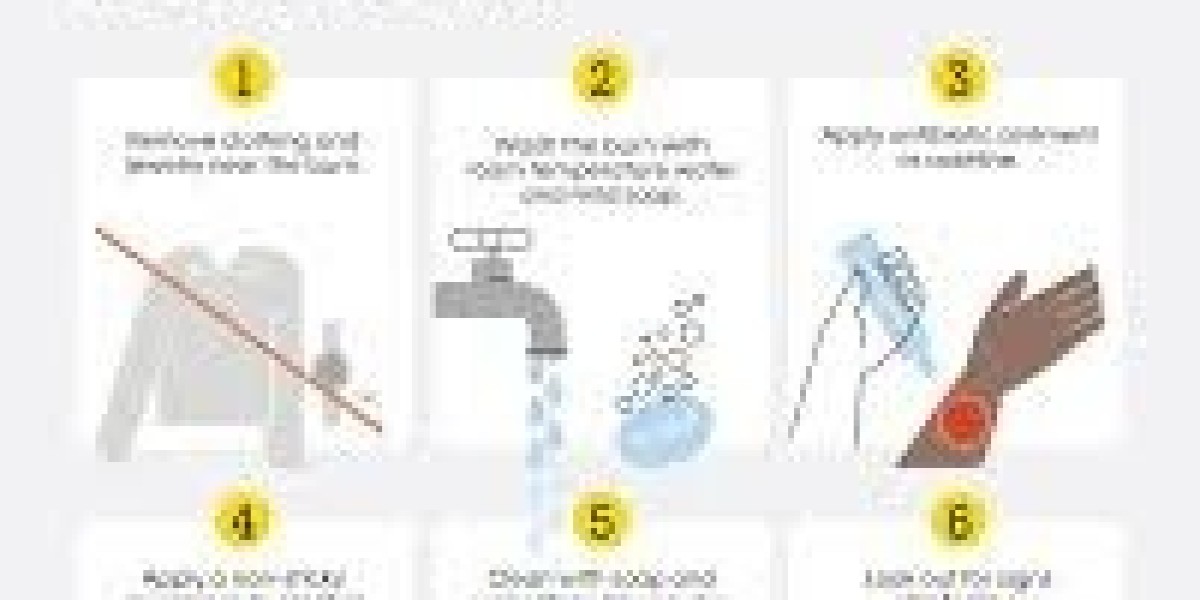
1. Cool the Burn Immediately
Cooling a fresh burn helps remove heat from the skin and may reduce further tissue damage.
Hold the burned area under cool running water for around 20 minutes, if possible.
Start cooling as soon as you can.
Keep the rest of the person warm, especially when treating a large burn.
Do not use ice or ice-cold water, which can damage the skin further.
For a chemical or electrical burn, follow emergency guidance specific to that injury. Chemical exposure may require prolonged rinsing and careful removal of contaminated clothing, while electrical injuries need urgent medical assessment even if the skin looks normal.
2. Remove Tight Items Carefully
Burns can cause swelling, so remove rings, watches, bracelets, or tight clothing near the affected area as early as possible—provided they are not stuck to the skin.
Never pull away clothing or material that has melted onto or become attached to a burn. Leave it in place and seek medical help.
3. Cover the Burn With a Clean Dressing
After cooling, protect a minor burn with a clean, non-fluffy dressing or a suitable sterile non-stick covering. Keep the covering loose rather than pressing it tightly against the skin.
Avoid breaking blisters. Blisters help protect the skin underneath, and popping them can increase the risk of infection.
Do not wrap a fresh burn with a tight bandage or apply adhesive directly to the injured skin.
4. Avoid Common Home Remedies
Some popular home remedies can make burns worse or delay proper treatment. Do not apply:
Butter, cooking oil, or grease.
Toothpaste or cosmetic products.
Ice directly to the skin.
Cotton wool or fluffy materials that can stick to the wound.
Unprescribed creams or household substances.
For a minor burn, gentle cooling and a clean covering are safer first steps. Ask a healthcare professional or pharmacist before using a burn cream, pain medicine, or dressing if you are unsure what is suitable.
5. Understand the Different Types of Burns
Burns are often grouped by how deeply they damage the skin.
| Burn type | Common signs | General response |
|---|---|---|
| Superficial (first-degree) | Redness, tenderness, mild swelling | Cool with running water and protect the area |
| Partial-thickness (second-degree) | Blisters, marked pain, moist or damaged skin | Cool the burn and seek medical advice when appropriate |
| Full-thickness (third-degree) | White, brown, black, leathery, or numb skin | Get emergency medical care immediately |
The appearance of a burn does not always show how serious it is. A deep burn can sometimes cause little pain because nerves have been damaged. Chemical and electrical burns may also cause internal injury that is not obvious from the skin.
6. Know When to Seek Emergency Care
Some burns need immediate professional assessment. Seek emergency care for burns that:
Are large, deep, or appear white, charred, or leathery.
Affect the face, hands, feet, genitals, major joints, or a large area of the body.
May involve inhaling smoke or hot gases.
Are caused by electricity or hazardous chemicals.
Circle around an arm, leg, finger, or another body part.
Occur in a young child or someone with significant medical vulnerabilities.
Call 911 or your local emergency number if the person has trouble breathing, becomes confused, faints, or has other signs of a life-threatening injury. Do not delay care while searching online for a nearby facility.
7. Follow Proper Aftercare
Minor burns may heal at home, but they still need attention. Keep the area clean, avoid rubbing or picking at healing skin, and follow the instructions provided by a healthcare professional.
Watch for signs of infection, including increasing redness, warmth, swelling, worsening pain, pus, or fever. Seek medical advice if these develop, if the wound is not healing, or if you are unsure about the severity of the injury.
Some burns may require prescription treatment, specialized dressings, or a review of tetanus vaccination status. A healthcare professional can recommend the right care for the specific injury.
When Should You Visit an Emergency Room?
It can be difficult to judge a burn’s severity at home. If you are unsure whether the injury is serious, seek medical advice promptly.
Searches such as urgent care near me open may help locate a nearby clinic for a minor injury, but urgent care services vary. A clinic may not have the equipment or staff needed for severe burns.
For a deep, extensive, chemical, or electrical burn—or a burn affecting breathing or a high-risk body area—an emergency department is the safer choice. People searching for the closest emergency room near me should choose emergency care based on the seriousness of the injury, not just distance.
Burn Care at ER OF FORT WORTH
ER OF FORT WORTH offers emergency medical evaluation for urgent health problems, including burns that need professional assessment. The medical team can evaluate the injury and determine whether wound care, pain management, further testing, or referral to a burn specialist is needed.
The correct treatment depends on the burn’s depth, location, cause, and overall severity. Some serious burns require care at a specialized burn center, and the treating team can help determine the appropriate next step.
For current information about burn services, visit the ER OF FORT WORTH burn treatment page. For severe burns, seek emergency care immediately rather than delaying treatment to confirm service details.
Frequently Asked Questions
What is the fastest way to treat a minor burn?
Cool the burn under cool running water for about 20 minutes, remove nearby tight items that are not stuck, and cover the area with a clean, non-fluffy dressing. Do not apply ice or household remedies.
Should I put ice on a burn?
No. Ice can cause additional skin damage. Use cool running water instead.
Should I pop a burn blister?
No. Popping a blister increases the risk of infection. Protect it and seek medical advice if it is large, painful, or located in a sensitive area.
When does a burn need emergency treatment?
Seek emergency care for deep or large burns, burns affecting the face or other high-risk areas, chemical or electrical burns, breathing problems, or burns with signs of serious injury.
Can I go to urgent care for a burn?
Urgent care may be suitable for some minor burns, depending on the clinic’s capabilities. Severe, deep, chemical, or electrical burns should be assessed in an emergency department.
How can I tell if a burn is infected?
Increasing redness, warmth, swelling, worsening pain, pus, or fever may indicate infection. Contact a healthcare professional if these symptoms appear.
Conclusion
The right burn treatment starts with prompt cooling, careful protection of the injured skin, and avoiding harmful home remedies. Minor burns can often be managed with first aid, but serious burns need urgent professional evaluation.
ER OF FORT WORTH can assess burns that require emergency medical attention and help determine the next steps in care. If a burn is severe or you are worried about the person’s condition, do not delay seeking help.
For more detail visit:https://medium.com/@sophiareed098/gastrointestinal-emergencies-er-of-forthworth-672ccb8968bf?postPublishedType=initial