
Tattoo removal can help people reduce or eliminate unwanted ink, but many also wonder how the procedure may affect the texture and appearance of their skin. Concerns about roughness, scarring, bumps, or uneven skin are common, particularly among people who want their skin to look as natural as possible after treatment.
Modern laser technology can break tattoo pigment into smaller particles while limiting damage to surrounding tissue when used appropriately. However, tattoo removal is still a skin treatment, and temporary changes can occur as the treated area heals. The final result depends on factors such as the tattoo's age, ink depth, skin type, treatment method, and aftercare routine.
For people considering Tattoo Removal in Islamabad, understanding how the skin may respond can help them prepare for treatment and make informed decisions. Although many people heal without significant long-term texture changes, individual outcomes vary, and complete removal without any visible skin changes cannot be guaranteed.
1. What Happens to Skin Texture During Tattoo Removal?
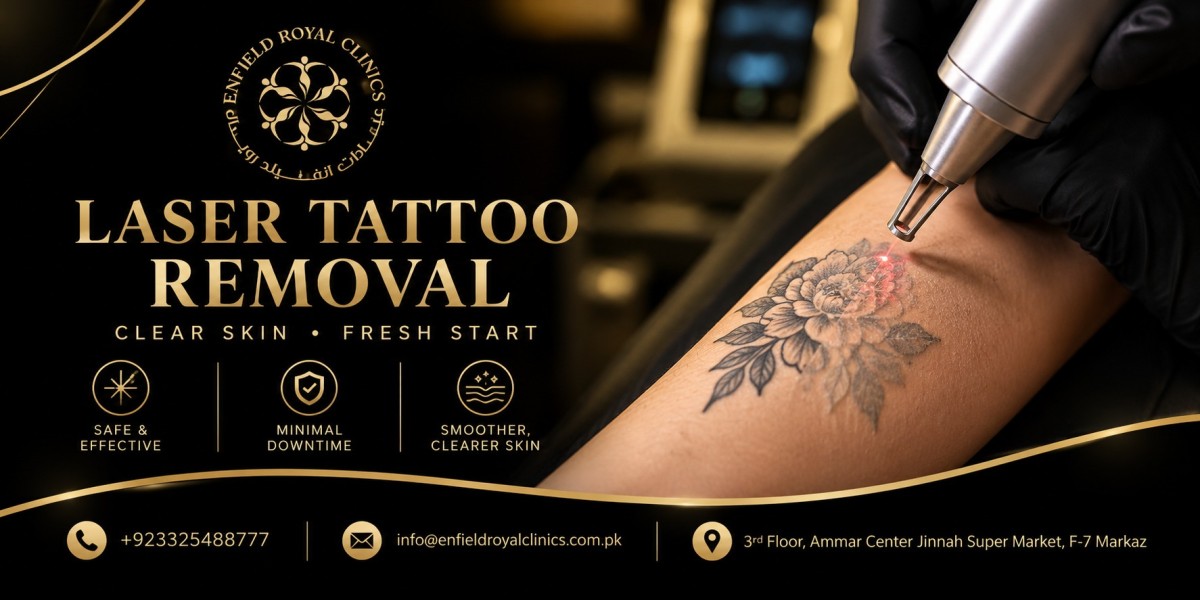
Laser tattoo removal works by delivering short pulses of energy into the skin. The energy targets tattoo pigments and breaks them into smaller fragments, which the body's natural processes gradually clear away. The treatment can also trigger a temporary inflammatory response as the skin begins to recover.
Immediately after a session, the treated area may appear red, swollen, or slightly raised. Some people experience tenderness, warmth, itching, or a tight sensation. Small blisters or crusts may also develop, depending on the treatment intensity and the individual's skin response.
These changes do not automatically indicate permanent damage. In many cases, they are part of the normal healing process and gradually settle over the following days or weeks. As the skin recovers, its surface generally becomes smoother and the temporary swelling subsides.
However, the skin may not look or feel exactly the same throughout recovery. The treated area should be monitored, and the recommended aftercare instructions should be followed carefully to reduce unnecessary irritation.
2. Can Tattoo Removal Make the Skin Rough or Bumpy?
Some people notice temporary roughness or small bumps after tattoo removal. These changes may develop when the skin becomes inflamed, forms tiny blisters, or produces crusts during healing. Itching and dryness can also make the treated area feel uneven.
In most uncomplicated cases, the surface gradually improves as the skin heals. Picking at crusts, scratching the area, or deliberately removing blisters can interfere with recovery and increase the risk of infection and scarring.
The skin's response may also depend on the tattoo itself. Older tattoos, dense pigment, and ink placed at different depths can require a more complex treatment plan. Repeated sessions may cause recurring periods of redness and temporary surface changes.
People seeking Tattoo Removal in Islamabad should understand that smoother skin does not necessarily mean the tattoo pigment has been completely removed. Likewise, temporary roughness does not always mean the treatment has failed.
If bumps persist, become increasingly painful, or are accompanied by spreading redness, discharge, or other unusual symptoms, the area should be assessed by a qualified healthcare professional. Persistent changes should not automatically be treated with over-the-counter creams or home remedies without appropriate guidance.
3. Does Tattoo Removal Cause Permanent Scarring?
Permanent scarring is a possible complication of tattoo removal, but it does not occur in every case. The risk depends on several factors, including the condition of the skin before treatment, the depth of the tattoo pigment, the laser settings, the person's healing response, and the quality of aftercare.
Laser treatment performed with suitable equipment and carefully selected settings aims to target ink while minimising injury to surrounding tissue. Nevertheless, excessive treatment intensity, inadequate recovery between sessions, infection, or repeated trauma to the treated area can increase the likelihood of lasting skin changes.
Some people may already have raised or thickened scars within a tattoo. In these situations, removing the ink does not necessarily remove the existing scar because the scar tissue is separate from the pigment.
Other possible long-term changes include small areas of uneven texture, depressed scars, or raised areas. The risk may be higher in people who have a history of keloids or abnormal wound healing.
Before starting Tattoo Removal in Islamabad, individuals should discuss any previous scarring, skin conditions, and concerns about texture with a suitably qualified healthcare professional. An assessment can help determine whether treatment is appropriate and what precautions may reduce the risk of complications.
4. How Skin Type and Tattoo Characteristics Influence Texture
Not every person's skin responds to laser treatment in the same way. Natural skin tone, pigmentation, sensitivity, and previous healing problems can influence the treatment plan and the likelihood of certain side effects.
Darker skin tones may be more susceptible to temporary or persistent changes in pigmentation when laser treatment is not carefully selected. Although pigmentation changes are different from texture changes, both can affect the overall appearance of the treated area.
Tattoo characteristics also matter. Dense professional tattoos may contain more pigment than lightly applied designs, while some colours are more difficult to treat than others. These differences can influence the energy settings, number of sessions, and recovery period required.
The location of the tattoo may affect healing as well. Areas exposed to repeated friction from clothing, footwear, or everyday activities can become irritated if not protected during recovery.
Existing skin conditions, previous burns, and a history of raised scars should be considered before treatment. A personalised assessment helps identify potential concerns and supports a more suitable approach.
5. How to Protect Skin Texture After Tattoo Removal
Aftercare is essential for supporting skin recovery and reducing the risk of avoidable complications. While no routine can guarantee a completely unchanged skin surface, careful treatment of the area can help protect the healing tissue.
Helpful aftercare practices include:
Keep the area clean: Follow the recommended instructions for gently cleaning the treated skin.
Avoid picking or scratching: Blisters, scabs, and crusts should be allowed to heal naturally rather than being pulled away.
Protect the skin from sunlight: Use appropriate sun protection once the skin has healed sufficiently, and avoid direct sun exposure during early recovery.
Avoid irritating products: Strong exfoliants, fragranced products, and harsh chemicals may irritate recently treated skin.
Reduce friction: Clothing, footwear, or activities that repeatedly rub the area may worsen irritation.
Follow treatment intervals: The skin needs adequate time to recover between laser sessions. More frequent treatment does not necessarily produce faster or better results.
Patients should also avoid applying unapproved home remedies or attempting to remove the tattoo with abrasive products. Such approaches can damage the skin and make texture changes more likely.
If the area becomes increasingly painful, develops spreading redness, produces pus, or shows signs of infection, medical advice should be sought promptly.
6. What Can Help Skin Recover Its Natural Appearance?
Skin recovery takes time, and improvements may continue after the immediate redness and swelling have settled. The body gradually processes fragmented ink particles, while the skin repairs itself following treatment.
For many individuals, temporary surface changes improve as healing progresses. However, the recovery timeline varies according to the treatment area, the intensity of the procedure, and individual skin characteristics.
A healthcare professional may recommend suitable moisturising products or other measures once the skin has healed enough for them to be appropriate. Products should not be applied to open blisters or damaged skin unless specifically advised.
If a persistent scar or texture change develops, it may require separate assessment. Depending on the type of change, possible management options may include scar-focused treatments or other dermatological procedures. These options should be considered only after the skin has healed and the cause of the change has been evaluated.
It is also important to have realistic expectations. Tattoo removal aims to reduce unwanted pigment; it cannot guarantee that the treated area will become identical to the surrounding skin. Some people achieve substantial fading with minimal lasting changes, while others may notice residual pigment or differences in texture.
7. What Should Patients Expect from Tattoo Removal in Islamabad?
People considering tattoo removal should look beyond the promise of fading and understand how treatment may affect their skin throughout the process. A consultation should cover the tattoo's colour, size, age, depth, and location, along with the person's skin tone, medical history, and healing concerns.
The treatment plan should explain the expected number of sessions, the recommended intervals, possible side effects, and the steps required during recovery. Patients with a history of abnormal scarring or pigmentation changes may need additional precautions.
Choosing a qualified professional with appropriate laser equipment and experience treating different skin types can help reduce avoidable risks. Patients should also feel comfortable asking questions about healing, potential scarring, and what to do if the treated area develops an unusual reaction.
For those exploring Tattoo Removal in Islamabad, a carefully planned approach can help balance the goal of reducing tattoo pigment with the need to protect skin health. Patience, realistic expectations, and consistent aftercare are important throughout the process.
Frequently Asked Questions
1. Does tattoo removal permanently change skin texture?
Not always. Many people experience temporary redness, swelling, roughness, or crusting that improves during healing. Permanent texture changes, including scarring, are possible but are not inevitable.
2. How long does rough skin last after tattoo removal?
Mild roughness and surface changes often improve as the treated area heals over days to weeks. The exact timeline varies. Persistent, worsening, or unusual symptoms should be assessed by a healthcare professional.
3. Can laser tattoo removal cause scars?
Yes, scarring is a possible complication, although many people do not develop significant scars. Treatment settings, infection, skin characteristics, previous scarring, and aftercare can influence the risk.
4. How can patients reduce the risk of skin damage after tattoo removal?
Following aftercare instructions, avoiding scratching and picking, protecting the area from sunlight, and allowing enough time between sessions can help. Treatment should be performed by a suitably qualified professional using appropriate equipment and settings.
In conclusion, tattoo removal can temporarily affect skin texture as the body responds to laser treatment and begins the healing process. Roughness, swelling, and small crusts often improve with time, but permanent scarring or other lasting changes remain possible. A personalised treatment plan, suitable laser settings, and careful aftercare can help support recovery and reduce avoidable risks.