
Introduction
Burn injuries can happen suddenly at home, at work, during cooking, or because of accidents involving hot liquids, flames, chemicals, or electricity. burn treatment depends on the type, depth, size, and location of the injury. While minor burns may improve with simple first aid, serious burns can damage deeper layers of skin and may require immediate medical attention. Knowing how to respond quickly can reduce complications and support better healing. ER of Forthworth provides emergency evaluation and care for patients who need prompt attention after a burn injury.
What Is a Burn Injury?
A burn is damage to the skin or other body tissues caused by heat, chemicals, electricity, radiation, or intense friction. Burns can range from mild redness to deep tissue damage.
The severity of a burn is usually considered based on:
- Depth: How deeply the injury affects the skin and underlying tissue.
- Size: How much of the body is affected.
- Location: Burns on the face, hands, feet, joints, or genitals may require special attention.
- Cause: Thermal, chemical, electrical, and other burns can require different approaches.
- Age and health: Children, older adults, and people with certain health conditions may face greater risks.
Common Types of Burns
Understanding the type of burn can help people recognize when emergency evaluation may be needed.
First-Degree Burns
First-degree burns affect the outer layer of the skin. They commonly cause:
- Redness
- Mild swelling
- Tenderness
- Pain
A mild sunburn is a common example. These burns often heal without serious complications.
Second-Degree Burns
Second-degree burns affect deeper layers of the skin. They may cause:
- Blisters
- Significant pain
- Red or moist skin
- Swelling
- Peeling
Some deeper second-degree burns may require professional evaluation to reduce the risk of infection and scarring.
Third-Degree Burns
Third-degree burns are severe injuries that can destroy multiple layers of skin. The affected area may appear white, brown, black, leathery, or charred. Surprisingly, some deeply burned areas may have reduced sensation because nerves have been damaged.
These injuries require urgent medical evaluation.
When Should You Go to the Emergency Room?
Not every burn requires emergency care, but certain injuries should be evaluated quickly. Seek emergency medical attention when a burn:
- Covers a large area of the body
- Appears deep or severely damaged
- Affects the face, eyes, hands, feet, or major joints
- Surrounds an arm, leg, finger, toe, or other body part
- Results from an electrical source
- Is caused by chemicals
- Is associated with breathing problems
- Causes severe pain or swelling
- Develops signs of infection
- Occurs along with another serious injury
- Happens to a very young child or older adult and appears significant
If someone has difficulty breathing after a fire or has suffered a major electrical or chemical injury, emergency evaluation should not be delayed.
What Should You Do Immediately After a Burn?
Fast and appropriate first aid can make a difference.
1. Stop the Source
Move away from the heat, flame, chemical, or electrical source when it is safe to do so. Do not put yourself at risk while helping someone else.
2. Cool the Burn
For many thermal burns, gently cool the affected area with clean, cool running water. Cooling can help reduce heat in the skin and may relieve discomfort.
Avoid using ice directly on the injury because extreme cold can further damage the skin.
3. Remove Tight Items
If possible, carefully remove rings, watches, bracelets, or tight clothing near the burned area before swelling becomes significant. Do not remove anything stuck to the skin.
4. Protect the Area
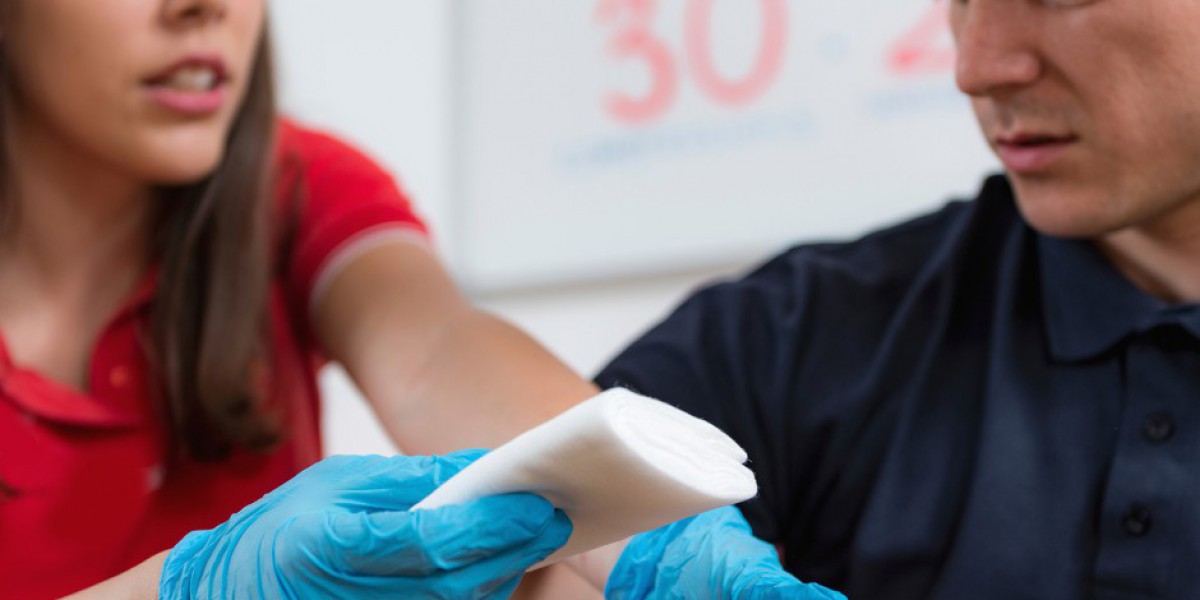
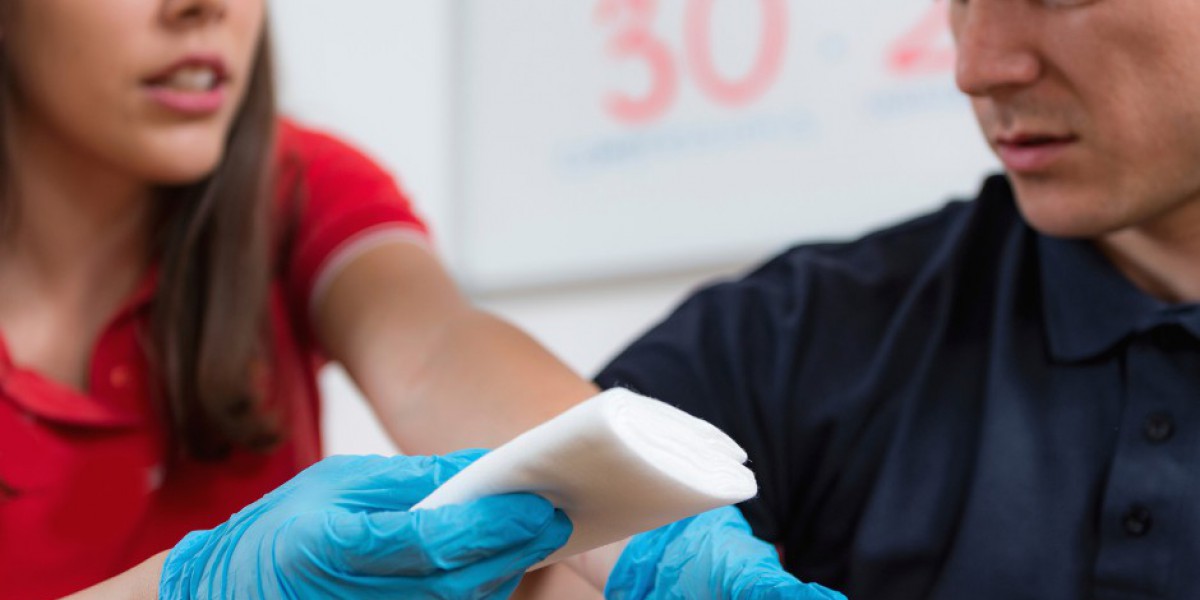
Cover the injury loosely with a clean, non-stick dressing or clean cloth. Avoid applying pressure to a serious burn.
5. Get Medical Help When Needed
For severe, extensive, deep, chemical, or electrical burns, seek emergency medical care rather than relying only on home first aid.
What Should You Avoid After a Burn?
Some popular home remedies can make an injury worse. Avoid:
- Applying ice directly to the skin
- Breaking or popping blisters
- Putting butter, oil, or toothpaste on a serious burn
- Pulling away clothing stuck to burned skin
- Applying unknown creams or substances to a severe injury
- Ignoring increasing pain, swelling, or redness
- Delaying care for a deep or extensive burn
Keeping the injury protected and getting appropriate medical evaluation can help prevent additional damage.
How Emergency Burn Care Works
When a patient arrives at an emergency facility, medical professionals first assess the severity of the injury and check for other problems.
Emergency evaluation may include:
Initial Assessment
The medical team evaluates the burn's depth, size, location, and cause. They may also check vital signs and look for signs of shock or other injuries.
Wound Cleaning
Depending on the injury, the affected area may need careful cleaning to remove dirt, damaged material, or contaminants.
Pain Management
Burn injuries can be extremely painful. Medical professionals may provide appropriate pain relief based on the severity of the injury and the patient's condition.
Wound Protection
The injury may be covered with an appropriate dressing to protect damaged skin and support healing.
Fluid Support
Large or serious burns can cause significant fluid loss. In these cases, medical professionals may provide intravenous fluids and closely monitor the patient's condition.
Specialist Referral
Some serious burns require care from specialists or a dedicated burn center. Emergency providers can determine whether transfer or specialist follow-up is appropriate.
Special Considerations for Chemical Burns
Chemical burns can continue damaging tissue even after the initial exposure. Immediate action is important.
If a chemical contacts the skin, remove contaminated clothing when it is safe and follow appropriate emergency guidance. The affected area may need extensive flushing with water, depending on the chemical involved.
Do not attempt to neutralize a chemical with another substance unless specifically instructed by a qualified professional. Some chemical reactions can create additional heat or injury.
Chemical exposure to the eyes requires especially urgent medical attention.
Electrical Burns Can Be More Serious Than They Look
Electrical injuries may cause damage beneath the skin that is not immediately visible. A small mark on the skin does not always indicate a minor injury.
Electrical burns can potentially affect:
- Muscles
- Nerves
- Blood vessels
- The heart
- Internal tissues
Anyone experiencing a significant electrical injury should receive medical evaluation, particularly if there was loss of consciousness, chest discomfort, weakness, abnormal heartbeat, or another concerning symptom.
Preventing Burn Injuries at Home
Many burns can be prevented with simple safety measures.
Kitchen Safety
Keep pot handles turned inward, keep children away from hot cooking surfaces, and carefully handle hot liquids.
Water Temperature
Check water temperature before bathing children or vulnerable family members. Extremely hot water can cause serious scald injuries.
Electrical Safety
Replace damaged cords, avoid overloaded outlets, and keep electrical equipment away from water.
Fire Safety
Keep matches, lighters, candles, and flammable materials away from children and heat sources. Make sure smoke alarms are working properly.
Chemical Safety
Store cleaning chemicals and other potentially harmful substances safely and follow product instructions.
Why Prompt Medical Attention Matters
A burn can continue to affect the body after the initial accident. Serious injuries may lead to infection, fluid loss, scarring, reduced movement, or other complications.
Early medical assessment helps determine the appropriate level of care. It can also identify injuries that may not be obvious at first, especially with electrical burns or deeper tissue damage.
ER of Forthworth focuses on timely emergency evaluation so patients can receive appropriate care based on the seriousness of their injury.
What Recovery May Involve
Recovery depends on the depth and size of the burn. Minor injuries may heal relatively quickly, while deeper burns can require longer care.
During recovery, patients may need:
- Regular dressing changes
- Wound monitoring
- Medication as directed
- Follow-up appointments
- Physical therapy for certain injuries
- Scar management
- Additional specialist care when necessary
Patients should follow their discharge instructions carefully and return for medical evaluation if symptoms become worse.
Frequently Asked Questions
What is the best first step after a minor thermal burn?
Move away from the heat source and cool the affected area with clean, cool running water. Avoid ice and harsh home remedies.
When does a burn require emergency care?
A burn may require emergency evaluation if it is deep, extensive, severely painful, caused by electricity or chemicals, affects important areas such as the face or hands, or is associated with breathing difficulties or other serious symptoms.
Should I pop a burn blister?
No. Breaking a blister can increase the risk of infection and further damage the skin.
Can I put ice on a burn?
It is generally better to avoid placing ice directly on burned skin because extreme cold can cause additional tissue damage.
Are electrical burns dangerous?
Yes. Electrical injuries can cause internal damage that may not be visible on the skin. Medical evaluation may be necessary even when the external injury looks small.
How long does a burn take to heal?
Healing time varies according to the burn's depth, size, location, and the person's overall condition. Minor burns may heal faster, while deeper injuries can take considerably longer.
Can burns become infected?
Yes. Damaged skin has less protection against bacteria. Increasing redness, swelling, worsening pain, drainage, fever, or other concerning changes should receive medical attention.
For more information visit:https://eroffortworthtx.com/services/burns-treatment/