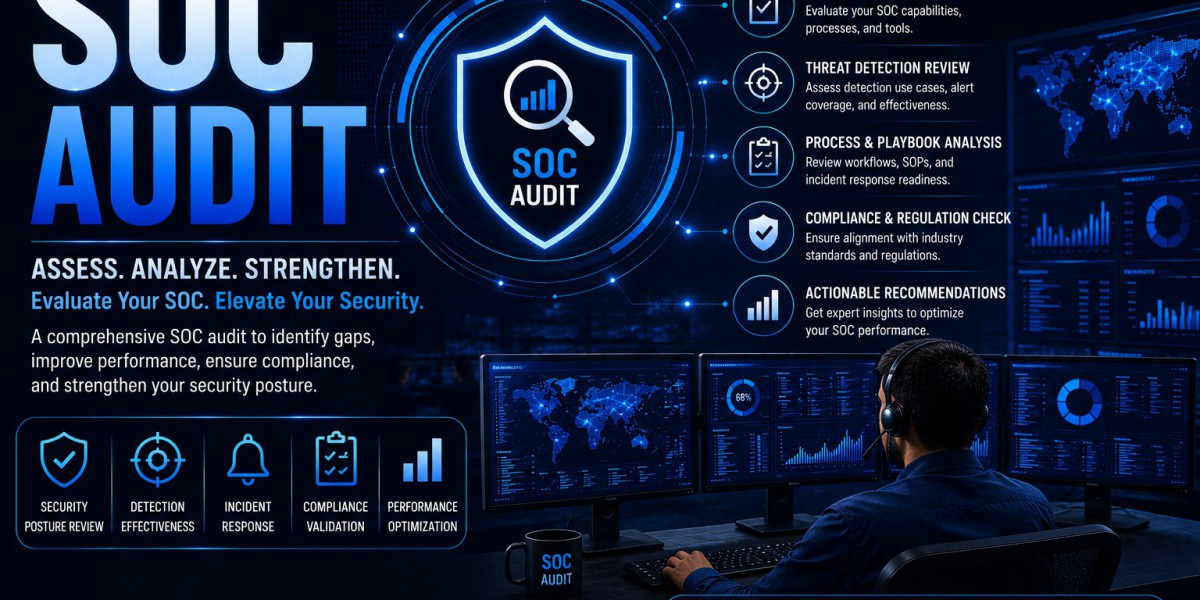

What an soc audit means for IT companies in India
An soc audit evaluates whether an organisation has designed and operated relevant security and operational controls in a manner that can withstand independent scrutiny. For technology businesses, it is closely connected with proving that security practices are not merely documented but consistently implemented and supported by evidence.
For Indian SaaS companies, software providers, IT service organisations and digital businesses, audit readiness has become part of enterprise credibility. Customers increasingly want confidence that their technology supplier can protect systems, manage access, respond to incidents and maintain dependable operational controls.
Why SOC 2 readiness deserves attention before the audit
SOC 2 compliance readiness is the preparation stage in which an organisation examines its controls, identifies weaknesses and establishes the evidence needed to demonstrate that those controls work as intended.
Waiting until an auditor requests evidence can expose gaps that are difficult to resolve quickly. A readiness-led approach gives IT leadership time to address ownership, documentation, technical controls and operational practices before those weaknesses become audit obstacles.
The business pressure behind SOC 2 assessments
For many technology companies, the commercial value of strong assurance is closely connected to customer trust. Enterprise buyers may evaluate how a vendor manages privileged access, data protection, system monitoring, incident response and change management before approving a relationship.
An audit therefore has implications beyond the security department. Sales teams may need assurance documentation, procurement teams may request evidence, legal teams may examine contractual commitments, and engineering teams may have to demonstrate disciplined operational practices.
In India, this becomes especially relevant for companies serving customers across multiple jurisdictions. A business may need to demonstrate security maturity to international customers while also maintaining controls appropriate to its Indian operating environment.
Where internal and DIY preparation can fall short
A spreadsheet listing security controls is not the same as a functioning control environment. Organisations can have policies that appear complete while day-to-day activities do not consistently follow them.
Another common weakness is fragmented evidence. Access reviews may exist in one system, incident records in another, vulnerability findings elsewhere, and approval records in email threads. When evidence is assembled manually only shortly before an assessment, missing records and inconsistent ownership become harder to resolve.
Internal teams can also struggle with independence. The people responsible for deploying systems may simultaneously be expected to assess whether those same systems are adequately controlled. A structured external assessment can introduce a more objective view of gaps and remediation priorities.
How SOC 2 compliance readiness can be evaluated
A practical readiness exercise starts by understanding the organisation's services, systems, data flows and relevant control objectives. The assessment should then connect those business realities to policies, procedures and technical safeguards.
Control and evidence review
The next stage examines whether documented controls are actually operating. This can include reviewing identity and access management, security policies, logging, incident response procedures, change management, vulnerability management and other controls relevant to the organisation's scope.
Evidence matters because an organisation needs to demonstrate that a control is repeatable rather than something performed once for an assessment.
Gap identification and remediation planning
Findings should be prioritised according to business and security impact. A useful remediation roadmap distinguishes urgent weaknesses from documentation improvements and longer-term maturity initiatives.
This approach prevents teams from treating every finding as equally important. It also gives management a clearer basis for assigning owners, deadlines and resources.
Continuous monitoring
Readiness should not stop when an audit begins. Security operations, monitoring and evidence collection need to continue so that controls remain demonstrable over time.
IBN Technologies provides managed SOC and SIEM capabilities that include continuous monitoring, threat detection, incident response and compliance-ready reporting. These capabilities can complement an organisation's broader security and compliance programme where ongoing visibility is required.
What organisations gain from a structured approach
A disciplined readiness programme can make audit preparation more predictable. IT leaders gain a clearer view of control maturity, while security teams have defined remediation priorities instead of an open-ended list of concerns.
There is also an operational benefit. The same controls used to support assurance can strengthen everyday security when they are integrated into access management, monitoring, incident handling and change processes.
For growing technology companies, this creates a more sustainable path to customer assurance. The goal is not to build a temporary audit environment but to make secure operating practices part of normal business activity.
A realistic Indian IT scenario
Consider an Indian SaaS provider preparing to expand its enterprise customer base. Its engineering organisation has strong technical capabilities, but security documentation has developed unevenly as the company has grown.
An assessment reveals that employee access is generally controlled, yet access reviews are not consistently evidenced. Security monitoring is available, but alert ownership is unclear. Incident response procedures exist, although testing records are incomplete.
Rather than treating these findings as an audit-only exercise, the company can establish clear control owners, formalise evidence collection, improve monitoring workflows and test response procedures. The result is a more defensible security programme and a smoother path through customer assurance requirements.
Best-practice checklist for IT audit readiness
Define the exact systems and services within scope
Assign an accountable owner to every important control
Maintain policies that reflect actual operating practices
Collect evidence continuously rather than immediately before assessment
Review privileged access and user access at defined intervals
Document incident response responsibilities and testing
Maintain consistent vulnerability and remediation records
Centralise security logs and monitoring where appropriate
Track exceptions with clear ownership and expiry dates
Link identified gaps to prioritised remediation actions
India-specific compliance context
SOC 2 should not be treated as a substitute for every applicable Indian regulatory or contractual obligation. An organisation may have additional requirements depending on its sector, customers, data environment and operating model.
IBN Technologies' cybersecurity compliance services reference alignment with frameworks and requirements including ISO 27001, SOC 2, HIPAA, GDPR, DPDPA, RBI and SEBI requirements. The relevant compliance scope should always be determined according to the organisation's actual obligations rather than adopting a framework simply because it is widely recognised.
Choosing support for SOC 2 compliance readiness
When evaluating an external security or compliance partner, IT leaders should look beyond a promise to prepare documentation. The more important questions concern how the provider identifies control gaps, connects findings to operational risk, supports remediation and helps maintain evidence after the initial assessment.
It is equally important to examine whether security operations and compliance activities can work together. A provider offering managed SOC and SIEM services, cybersecurity assessments and compliance support can help organisations reduce the disconnect between what policies require and what security teams actually monitor.
For Indian technology companies, the strongest audit preparation is ultimately the one that improves the operating environment rather than creating a short-lived compliance exercise. A well-managed soc audit should leave the organisation with clearer controls, stronger evidence practices and a security programme that can support growth with greater confidence.
Contact Us:
IND- 02067680404
IBN Technologies Ltd.
E-mail: - sales@ibntech.com