Introduction
Keeping track of medication can become difficult when a person has several medicines, different schedules, or a busy daily routine. Missing a scheduled dose may happen simply because someone is working, traveling, sleeping, or handling other responsibilities.
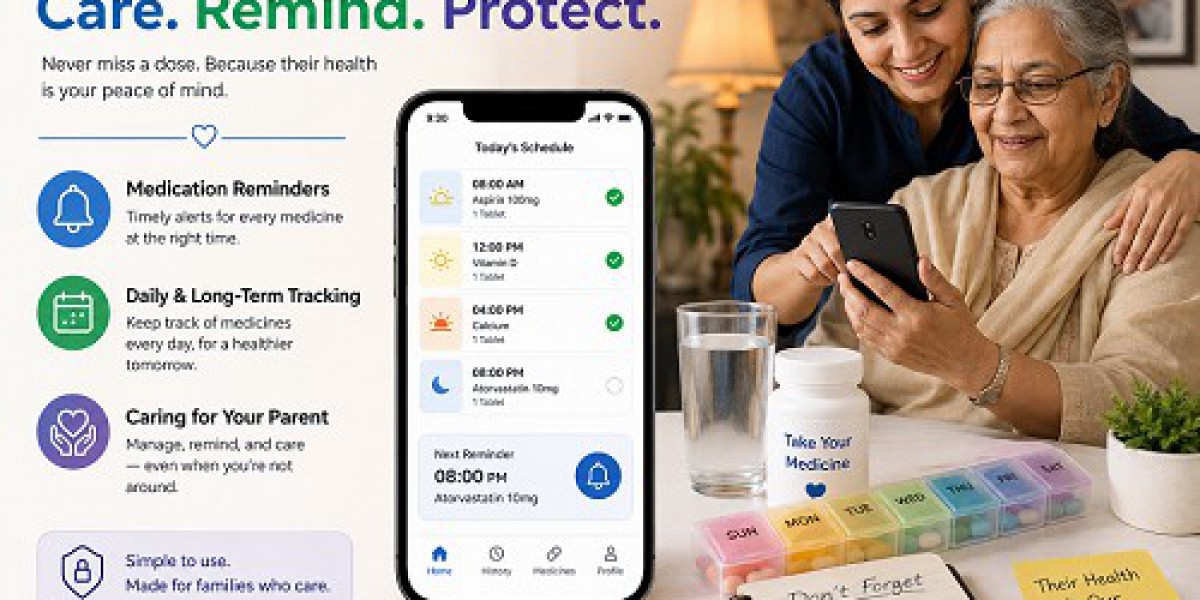
A pill reminder can provide a simple way to organize medication schedules and receive reminders at the appropriate times. Instead of depending entirely on memory, users can use digital reminders to support a more consistent routine.
What Is a Pill Reminder?
A pill reminder is a tool or application that helps users remember when medications are scheduled.
Depending on the app or device, it may allow users to enter:
- Medication names
- Dosage information
- Reminder times
- Frequency
- Start and end dates
- Notes
- Refill information
Once the schedule is created, the reminder can alert the user when it is time to check their medication routine.
The exact features vary between reminder apps, so users should select one that fits their personal organization needs.
7 Powerful Benefits of a Pill Reminder
1. Helps Build a Consistent Medication Routine
A regular routine can make medication management easier.
When medicines are taken at different times, it can be challenging to remember every scheduled dose. A digital reminder can provide an alert at the planned time.
For example, a schedule might include:
- Morning medication
- Afternoon medication
- Evening medication
- Bedtime medication
The reminder does not decide when medication should be taken. Instead, the user enters the schedule based on instructions from their healthcare professional.
This makes the tool useful as an organizational aid.
2. Supports Long-Term Daily Medication
People taking long-term daily medication may need to follow a schedule for weeks, months, or longer.
Over time, remembering the same routine every day can become difficult.
A reminder system can help by providing recurring alerts instead of requiring the user to remember the schedule manually.
This can be useful for people who:
- Have several daily medicines
- Have changing daily routines
- Travel frequently
- Work irregular hours
- Need reminders at specific times
A consistent reminder can make the routine easier to follow, while the actual medication plan should always come from the person's healthcare professional.
3. Helps When Caring for a Parent
Managing medication can be an important part of caring for a parent.
Family members may need to help organize schedules, remember appointments, or check whether medication-related tasks have been completed.
A reminder application can provide a structured way to keep medication information together.
Depending on the available features, caregivers may benefit from:
- Organized medication schedules
- Timely alerts
- Medication lists
- Reminder history
- Notes
- Refill reminders
However, privacy and consent are important. Caregivers should handle another person's medication information appropriately and follow the person's healthcare instructions.
4. Organizes Multiple Medications
Managing one medicine can be relatively simple. Managing several medicines with different schedules can be more challenging.
A pill reminder can organize different medications within one schedule.
For example:
| Medication Schedule | Example |
|---|---|
| Morning | Medication A |
| Afternoon | Medication B |
| Evening | Medication C |
| Bedtime | Medication D |
The exact medication schedule should always be entered according to professional medical instructions.
Having information organized in one place can make the routine easier to understand.
5. Provides Timely Alerts
One of the main purposes of a reminder app is notifications.
A user may receive an alert when a scheduled medication time arrives.
This can be useful when everyday activities cause distractions.
For example, someone might be:
- Working
- Cooking
- Studying
- Traveling
- Exercising
- Caring for family members
A reminder can bring attention back to the medication schedule.
However, users should not assume that receiving an alert means they should automatically take a dose. If a dose is missed or there is uncertainty about what to do, users should follow their medication instructions or ask a healthcare professional.
6. Creates an Adherence History
Some medication reminder tools provide an adherence history or record of reminder activity.
This can help users review their routine over time.
Depending on the application, a history may show:
- Scheduled reminders
- Completed reminders
- Missed reminders
- Medication dates
- Previous activity
A record can help users understand their routine and identify patterns.
It may also be useful when discussing medication routines with a healthcare professional, although users should not treat an app's history as a medical diagnosis or clinical assessment.
7. Reduces Dependence on Memory
Memory alone is not always reliable, especially when a person has a busy routine or several daily responsibilities.
A reminder application can act as an external organizational tool.
Instead of repeatedly asking:
"When is my next scheduled medication?"
the user can refer to the organized schedule.
This can reduce mental effort and make medication planning more structured.
Again, reminders are support tools. They should be used alongside professional medical instructions rather than as a replacement for them.
Features to Look for in a Pill Reminder App
Different apps provide different features. Useful options may include:
Medication Scheduling
Look for flexible schedules that can handle different medication times.
Recurring Reminders
Recurring notifications can support daily and weekly routines.
Medication List
A centralized medication list can make information easier to review.
Adherence History
A history feature can help users review reminder activity.
Refill Reminders
Some applications may provide alerts when medication supplies may need attention.
Easy Interface
A simple interface is particularly useful for people who do not want complicated technology.
Caregiver Support
If the tool is being used while caring for a parent, check whether it offers appropriate family or caregiver features.
Who Can Benefit From a Pill Reminder?
People With Busy Schedules
Work, school, family, and other responsibilities can make it easy to forget routine tasks.
People Managing Multiple Medicines
A centralized schedule can make multiple medication times easier to organize.
Older Adults
Simple reminder tools may help some older adults organize daily medication routines.
Family Caregivers
People helping a parent or family member may use reminder tools as an organizational aid.
People Taking Long-Term Medication
Recurring reminders can be useful for maintaining an organized long-term routine.
Pill Reminder: Making Medication Organization Simpler
Pill Reminder is the brand featured in this article.
The purpose of a medication reminder is not to replace doctors, pharmacists, or other healthcare professionals. Instead, it can provide a simple organizational layer around an existing medication plan.
A useful reminder system may help users:
- Organize medication schedules
- Receive timely alerts
- Review medication activity
- Build consistent routines
- Manage multiple reminders
- Support family caregiving
The most important factor is accuracy. Medication information should be entered carefully and updated whenever a healthcare professional changes the treatment plan.
Frequently Asked Questions
1. Does a pill reminder tell me what medication to take?
A reminder app generally provides alerts based on information entered by the user. It should not be relied upon to determine or change a medication plan.
2. Can I add multiple medications?
Many reminder applications support multiple medication entries, although the number and available features vary.
3. Can I use a pill reminder for daily medication?
Yes. Recurring reminders can help organize daily medication schedules.
4. Can caregivers use medication reminders?
Some applications provide features that can support caregivers. Always consider privacy, consent, and the specific needs of the person receiving care.
5. Can a reminder app track missed reminders?
Some applications provide reminder or adherence histories. The exact tracking features depend on the app.
Conclusion
Managing medication can become challenging when schedules are complicated or continue for a long period. A pill reminder can provide a simple way to organize scheduled medicines and receive timely alerts.
For people managing long-term daily medication, a structured reminder can support a consistent routine. For family members caring for a parent, reminder tools may provide additional organization when helping with medication-related tasks.