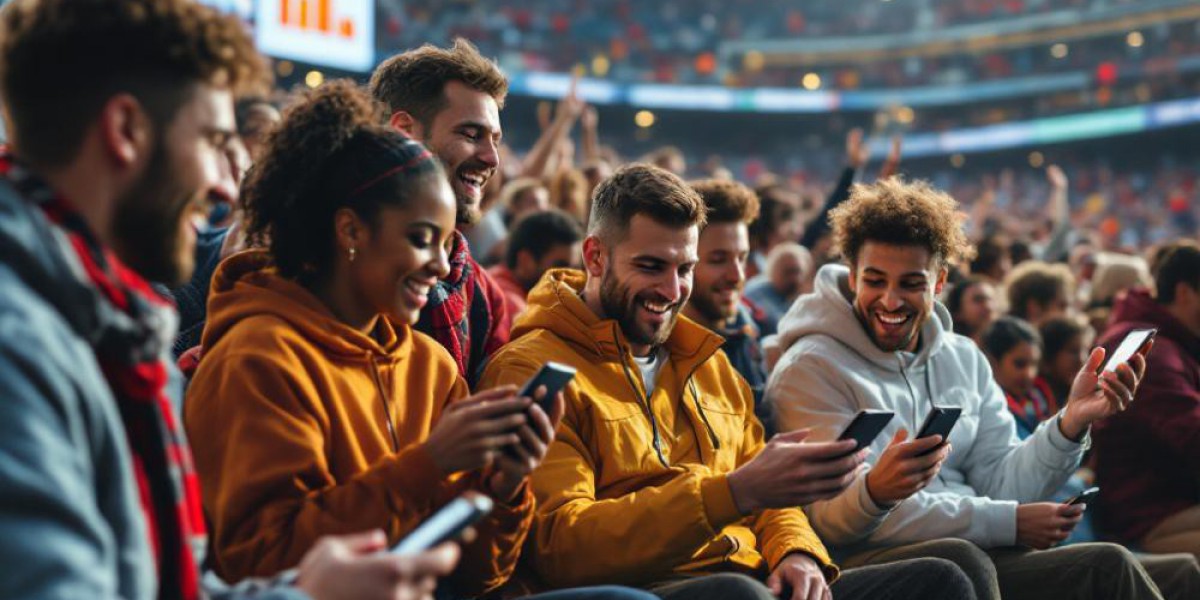

A stadium can be full, the broadcast can have millions of viewers, and the sport can still have a problem: the next generation may not be watching in the same way as previous fans.
Younger audiences have not necessarily stopped caring about sport. In many cases, they are simply consuming it differently. They may watch a 30-second highlight instead of an entire match, follow an athlete rather than a team, discuss a controversial moment on social media, or discover a new sport through a creator before ever watching a full event.
That distinction matters.
Recent research suggests younger fans remain highly interested in sports, but their expectations around content, technology, entertainment, and interaction are changing. PwC found that only 19% of younger fans surveyed said they watch an entire game at home, while more than two-thirds use social media during an event.
In India, the opportunity is particularly significant. Google and Deloitte research estimates that India has around 655 million sports fans, with Gen Z accounting for about 43% of that audience. The same research found that 93% of Gen Z sports fans consume sports content digitally.
So the issue is not simply that young people dislike traditional sports. The bigger question is whether sporting events are being presented in ways that fit how younger audiences actually live, communicate, and consume entertainment.
Why Traditional Sporting Events Can Lose Younger Viewers
The first challenge is attention.
Young audiences have access to an enormous amount of entertainment at almost every moment of the day. A sporting event is competing not only with another sport but also with YouTube videos, streaming services, short-form content, gaming, music, influencers, podcasts, and social conversations.
That changes the definition of competition.
A three-hour match may once have been the main entertainment activity for an evening. Today, a younger viewer might watch the opening period, check social media, look at statistics, respond to messages, watch a highlight, and return to the game later.
PwC's research found that 47% of younger sports fans surveyed browse the web while watching, 24% play video games, and more than two-thirds use social media during sporting events.
This does not necessarily mean their interest is weaker. It means their attention is distributed.
The Problem With a One-Size-Fits-All Viewing Experience
Traditional sports broadcasting often assumes that the viewer wants to watch the event from beginning to end.
That model works well for dedicated fans, but it can be less effective for casual or younger viewers who want flexibility.
They may prefer:
- Short highlights
- Real-time statistics
- Behind-the-scenes footage
- Player interviews
- Short tactical explanations
- Interactive polls
- Creator commentary
- Personalized notifications
- On-demand replays
- Social discussion around major moments
Research from Nielsen found that younger fans follow an average of 6.3 sports and are more likely than older audiences to prefer smartphones or tablets, on-demand content, gaming, and fantasy-style interactions.
That is an important lesson for sports organizations. Younger audiences may not need less sport. They may need more ways to enter the sport.
When the Event Feels Too Difficult to Understand
Another barrier is complexity.
A long-established fan may understand tournament formats, rankings, qualification systems, transfer rules, penalties, technical terms, and historical rivalries without thinking about them.
A new viewer does not have that background.
Imagine someone discovering a sport through a short social-media clip. They see an impressive moment and want to understand what happened. If the next piece of content assumes they already know every rule, they may simply move on.
This is why simple explainers can be powerful.
Instead of saying, "The team needs three points to qualify," a broadcaster can quickly explain what that means and what happens if the team draws or loses.
Instead of displaying complicated statistics without context, it can explain why a particular number matters.
The goal is not to make sport simplistic. It is to make the entry point easier.
The Rise of Athlete-Led Fandom
Younger audiences are also changing the relationship between fans and sporting personalities.
A traditional sports fan might identify primarily with a club or national team. Younger fans can develop a relationship with an individual athlete first.
They may follow a footballer's training routine, a cricketer's personality clips, a basketball player's podcast appearance, or an athlete's behind-the-scenes content.
Deloitte research found that around 80% of Gen Z fans surveyed follow a professional athlete online, and many say that following athletes influences whether they watch or attend events.
This creates an opportunity for sports organizations.
A player does not have to become a full-time influencer. Simple content can make athletes more relatable:
- Training-day clips
- Team travel moments
- Short interviews
- Questions from fans
- Locker-room traditions
- Personal stories
- Explanations of preparation
- Reactions after important matches
These moments help turn an unfamiliar athlete into someone audiences understand.

Digital Discovery Is Becoming the Front Door to Sport
For many younger fans, social media is not simply a place to discuss sport after watching it. It is where they discover sport in the first place.
A teenager might never search for an unfamiliar tournament directly. Instead, an algorithm may place a spectacular goal, a funny athlete interview, or a dramatic final in their feed.
That short clip can become the beginning of fandom.
India provides a strong example of this shift. Google research says 50% of Indian sports fans surveyed started following a sport after encountering related digital content, while 90% engage with sports content digitally.
This means smaller sports have an opportunity that did not exist in the same form during the television-dominated era.
A young fan may discover badminton, hockey, athletics, kho-kho, football, or another sport through a single compelling video.
The challenge is then keeping that person interested after the first impression.
Why Long Gaps Between Events Can Hurt Engagement
Some sporting events struggle because there is too much distance between competitions.
If a tournament appears once every four years, it can be difficult to maintain momentum with younger audiences who are accustomed to constant updates.
Sports organizations can address this by creating an ongoing content ecosystem.
The competition may be the main product, but the conversation can continue throughout the year.
Useful off-season content includes:
- Player development stories
- Historical moments
- Training footage
- Draft or selection discussions
- Youth competitions
- Tactical breakdowns
- Athlete interviews
- Community programs
- Equipment explainers
Google's India sports research found that fans spend 20% more time consuming non-live sports content than live events, while 42% engage with sports content several times a week even after the season ends.
That suggests the off-season should not be treated as a communication blackout.
The Live Experience Needs to Offer More
Young audiences still value being at a stadium.
PwC found that younger sports fans were 1.4 times more likely than older fans in its survey to attend a live sporting event at least once a month.
However, attending a match is increasingly about the entire experience.
Fans may expect convenient ticketing, good connectivity, interactive screens, affordable food, entertainment, merchandise, comfortable seating, and easy ways to share the experience.
Deloitte found that younger fans are particularly interested in enhanced in-stadium features such as live statistics, replays, interactive games, and social functions. At the same time, poor mobile connectivity remains a problem at many venues.
The lesson is straightforward: technology should complement the atmosphere, not replace it.
A stadium should still feel exciting without a phone. But a phone should make the experience better rather than becoming a source of frustration.
Price and Accessibility Matter
Cost is another practical barrier.
A young fan may genuinely want to attend a major event but cannot justify an expensive ticket, transport, food, and merchandise.
This becomes particularly important when sports organizations say they want to develop younger audiences but offer few affordable entry points.
Practical solutions can include:
- Student ticket categories
- Family packages
- Youth memberships
- Affordable standing areas
- Public transport partnerships
- Community ticket programs
- Discounted early purchases
- Low-cost local events
Accessibility also means making sport easy to follow.
If official information is scattered across several websites and social platforms, a new fan may struggle to understand where to begin.
What Sports Organizations Can Do Differently
The solution is not to turn every sporting event into a social-media show.
Instead, organizations should build a connected experience around the competition.
A useful strategy could look like this:
Before the event: Create anticipation with short videos, athlete stories, explainers, predictions, and simple guides.
During the event: Provide live statistics, short highlights, social interaction, and useful commentary without overwhelming the viewer.
Immediately afterward: Publish key moments, interviews, analysis, and concise explanations of what the result means.
Between events: Keep the audience connected through athlete content, competitions, community stories, and educational material.
This creates continuity.
The fan is no longer expected to appear only when the main event starts.
Common Mistakes Sports Brands Should Avoid
One common mistake is assuming young people simply have shorter attention spans and therefore need everything shortened.
That is only part of the picture.
Younger fans can spend hours watching content when they find it meaningful. The issue is often relevance rather than attention alone.
Another mistake is forcing slang or internet trends into sports marketing. Young audiences can quickly recognize when an organization is trying too hard to sound young.
Authenticity matters more than artificial language.
Sports organizations should also avoid treating every young viewer as part of one identical demographic. A 17-year-old discovering football through short videos may have very different interests from a 29-year-old who follows several leagues.
Personalization is therefore increasingly important.
A fan interested in cricket statistics should not necessarily receive the same content as someone who mainly follows athlete interviews.
A Practical Checklist for Attracting Younger Sports Fans
Organizations evaluating their youth strategy can ask:
- Can someone discover our sport through a short video?
- Is the basic context easy for a first-time viewer to understand?
- Are our athletes visible as people, not just competitors?
- Can fans interact with the event digitally?
- Is our live experience affordable and accessible?
- Do we provide useful content between major competitions?
- Are our social channels active without becoming repetitive?
- Can fans choose short-form or long-form content?
- Do we understand what different age groups actually want?
- Are we measuring engagement beyond television ratings?
The answers can reveal whether the problem is genuinely a lack of interest or simply a failure to meet changing expectations.
For example, someone researching sports through a gold365 app download may be looking for convenient digital access to updates rather than committing to a traditional broadcast from start to finish. That behavior tells sports marketers something important about how modern audiences prefer to consume information.
Similarly, a fan checking gold365 online information may already be engaging with sports through a digital-first routine, showing why mobile-friendly content, quick updates, and accessible match information matter.
For organizations targeting Indian audiences, this shift is especially important because the country's sports fans are already highly active across multiple digital channels. Google reports that Indian fans divide their attention across three to four channels while consuming sports content.
Key Takeaways
- Younger audiences are not necessarily losing interest in sport; many are changing how they consume it.
- Short-form video is increasingly important for sports discovery.
- Athletes can become powerful entry points for new fans.
- Simple explanations can make unfamiliar sports easier to understand.
- Young fans value interactive and social viewing experiences.
- Affordable tickets and accessible venues can encourage live attendance.
- Off-season content helps maintain fan relationships between competitions.
- Sports organizations should offer multiple ways to follow the same event.
- Digital content should complement the live experience rather than replace it.
- Personalization is becoming increasingly important as audiences become more fragmented.
Frequently Asked Questions
Why are some sporting events struggling to attract younger audiences?
The main challenge is not always a lack of interest. Younger audiences have more entertainment choices and often prefer mobile, social, personalized, and on-demand content instead of traditional full-match viewing.
Do young people still watch live sports?
Yes. Research indicates that younger fans continue to attend live events and follow multiple sports. However, they often combine live viewing with social media, highlights, statistics, and other digital experiences.
How can sports attract Gen Z fans?
Sports can attract Gen Z by improving digital discovery, creating short-form content, giving athletes a stronger online presence, offering interactive experiences, and making live events accessible and affordable.
Does social media help grow sports audiences?
Yes. Social media can introduce people to sports they might not otherwise encounter. It also allows fans to discuss events, follow athletes, watch highlights, and participate in communities around competitions.
Why is digital content important for Indian sports fans?
India has a large and increasingly digital sports audience. Google and Deloitte research indicates that 93% of Gen Z Indian sports fans consume sports content digitally, while many fans spend substantial time with non-live sports content.
What should sporting organizations focus on first?
They should understand their specific audience before changing the product. The most effective strategy is usually a combination of accessible content, strong athlete storytelling, digital interaction, affordable live experiences, and consistent engagement throughout the year.
Conclusion
The future of sports fandom is unlikely to be defined by one screen, one format, or one type of fan. Younger audiences are already showing that they can be deeply interested in sport while consuming it through highlights, social platforms, streaming services, athlete content, statistics, and live experiences at the same time.
Sporting organizations therefore have an opportunity to rethink what it means to be a fan. Instead of asking younger audiences to adapt to an older viewing model, they can make the sport easier to discover, understand, share, and enjoy.
The organizations that recognize this shift will be better positioned to turn a passing clip or social-media interaction into something much more valuable: a long-term relationship between a young person and the sport they may follow for decades.