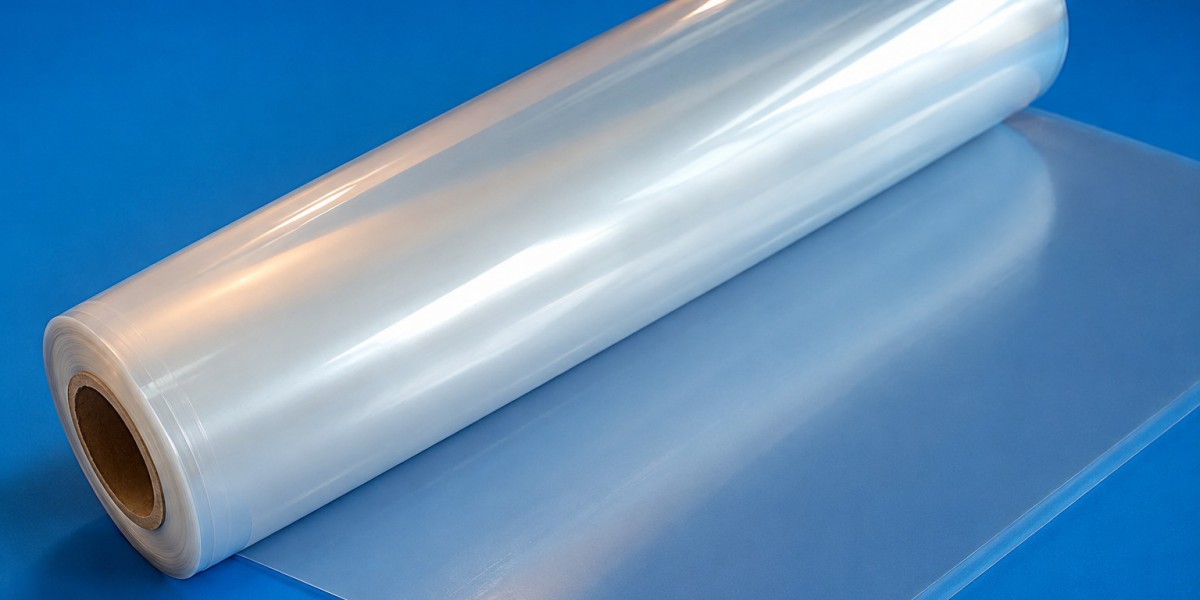

Nafion 117 is a widely recognized proton exchange membrane material used in electrochemical, chemical, and energy-related applications. It belongs to the Nafion family of perfluorinated ionomer membranes and is valued for its strong chemical resistance, proton conductivity, thermal stability, and durability. Because of these properties, Nafion 117 has become an important material for researchers and engineers working with fuel cells, electrolyzers, sensors, batteries, electrochemical cells, and membrane-based separation systems. Understanding its structure, properties, applications, advantages, limitations, and handling requirements can help users determine whether this membrane is suitable for their particular process or research project.
What Is Nafion 117?
Nafion 117 is a proton exchange membrane made from a chemically stable fluorinated polymer containing sulfonic acid groups. These functional groups allow the membrane to conduct protons while restricting the movement of many other ions and molecules. The membrane combines a hydrophobic fluorocarbon backbone with hydrophilic ionic regions, creating a structure that supports proton transport when adequately hydrated. This combination of chemical resistance and ionic conductivity makes Nafion 117 particularly useful in demanding electrochemical environments where conventional polymer membranes may not provide sufficient stability or performance.
Chemical Structure of Nafion 117
The structure of Nafion 117 is based on a perfluorinated polymer backbone with side chains terminating in sulfonic acid groups. The fluorinated backbone provides exceptional resistance to many aggressive chemical environments, while the sulfonic acid groups create sites capable of exchanging and transporting protons. When water is present, these ionic groups interact with water molecules and form pathways that facilitate proton movement through the membrane. This unique combination of fluorinated and ionic components is responsible for many of the material's characteristic properties.
Proton Conductivity of Nafion 117
Proton conductivity is one of the most important characteristics of Nafion 117 because it determines how effectively the membrane can transport hydrogen ions during an electrochemical process. Its proton conductivity is strongly influenced by hydration, temperature, membrane condition, and operating environment. When sufficiently hydrated, the membrane can provide efficient proton transport, which is why it is frequently selected for proton exchange membrane fuel cells and other electrochemical systems. Maintaining appropriate hydration is therefore an important consideration when designing systems that use Nafion 117.
Ion Exchange Properties
Nafion 117 has strong ion exchange capabilities because of its sulfonic acid functional groups. These groups can interact with positively charged ions and preferentially support proton transport under suitable conditions. This property makes the membrane useful in electrochemical experiments, ion-selective processes, and membrane-based chemical systems. Its ion exchange behavior can also be influenced by the ions present in the surrounding solution, making proper material preparation and operating conditions important for achieving consistent results.
Chemical Resistance of Nafion 117
A major advantage of Nafion 117 is its resistance to many chemically aggressive environments. The highly fluorinated polymer structure provides strong stability against oxidation and various chemical substances. This durability allows the membrane to be used in applications where chemical exposure could quickly degrade less resistant materials. However, chemical compatibility should always be evaluated for the specific operating environment because temperature, concentration, pressure, solvents, and other conditions can influence membrane stability and performance.
Thermal Properties of Nafion 117
Nafion 117 provides useful thermal stability for many electrochemical and laboratory applications. Its performance, however, depends on the operating environment and hydration level. Excessive temperatures can influence water content, dimensional stability, proton conductivity, and overall membrane behavior. For this reason, users should select operating conditions carefully and avoid assuming that chemical resistance automatically means unlimited thermal stability. Proper temperature management is important for maintaining consistent membrane performance.
Nafion 117 in Fuel Cells
Nafion 117 has historically been an important membrane material in proton exchange membrane fuel cell research. Within a fuel cell, the membrane separates the anode and cathode compartments while allowing protons to move through it. At the same time, it helps prevent direct mixing of reactants. Its proton conductivity, chemical stability, and established performance make it useful for research and development involving hydrogen fuel cells. Membrane hydration and electrode interface conditions remain important factors when using Nafion 117 in fuel cell systems.
Nafion 117 in Electrolyzers
Electrolyzers use electrochemical reactions to produce useful products such as hydrogen, and proton-conducting membranes can play an important role in these systems. Nafion 117 can function as a proton exchange membrane in suitable electrolyzer configurations. Its ability to transport protons while separating different reaction environments makes it useful for experimental and research-scale electrolysis systems. Performance depends on operating conditions, electrode design, water management, temperature, and the overall configuration of the electrolyzer.
Use in Electrochemical Research
Nafion 117 is frequently used in electrochemical research because its properties are relatively well understood and it can be incorporated into different experimental configurations. Researchers may use it as a membrane separator, proton-conducting component, or ion exchange material depending on the experiment. Its established behavior makes it useful for studying proton transport, electrochemical reactions, membrane performance, and related processes. Consistent membrane preparation and conditioning are important when reproducibility is required.
Nafion 117 for Sensors
Nafion 117 can also be used in certain sensor designs because its ionic properties and chemical stability can influence the movement of charged species near an electrode surface. In electrochemical sensors, the membrane may act as a protective or selective layer depending on the design. Its ability to interact with ions and maintain stability in challenging environments makes it attractive for research involving chemical detection and electrochemical measurement. The exact sensing performance depends heavily on the electrode, analyte, membrane condition, and surrounding solution.
Nafion 117 in Membrane Separation
Membrane separation processes depend on differences in permeability, ionic transport, molecular movement, or chemical interactions. Nafion 117 can be investigated for specialized separation applications because its ionic structure and fluorinated backbone provide a combination of selective transport and chemical durability. It may be particularly useful when proton or ion transport is more important than unrestricted molecular diffusion. The suitability of the membrane depends on the substances being separated and the operating conditions of the process.
Water Uptake and Hydration
Water plays an important role in the behavior of Nafion 117 because proton transport is closely associated with the membrane's hydrated ionic regions. As the membrane absorbs water, its ionic domains can become more effective pathways for proton movement. Insufficient hydration can reduce conductivity and influence membrane flexibility and dimensional behavior. Excessive water exposure can also affect swelling and mechanical characteristics. Effective water management is therefore essential when Nafion 117 is used in electrochemical devices.
Mechanical Properties
Nafion 117 provides a useful combination of flexibility and mechanical durability, allowing it to be handled and incorporated into various experimental systems. Its mechanical behavior can change with hydration, temperature, and chemical exposure. A hydrated membrane may behave differently from a dry membrane, particularly in terms of flexibility and dimensional changes. Careful handling helps prevent scratches, punctures, creases, or other physical damage that could compromise membrane performance.
Advantages of Nafion 117
Nafion 117 offers several advantages, including strong chemical resistance, proton conductivity, established electrochemical performance, and good durability under suitable operating conditions. Its long history in research provides users with substantial technical knowledge about its behavior. The membrane can also be incorporated into many experimental configurations, making it a versatile choice for laboratories and engineering projects. Its combination of ionic functionality and fluorinated chemical stability is one of the main reasons it remains widely relevant.
Limitations of Nafion 117
Although Nafion 117 has many useful properties, it is not ideal for every application. Its performance can be affected by hydration, temperature, mechanical stress, and chemical environment. The material can also experience swelling and dimensional changes when water content changes. In some applications, alternative membranes may provide better conductivity, lower cost, improved mechanical characteristics, or more suitable transport properties. Selecting a membrane should therefore be based on the specific requirements of the intended system.
Nafion 117 Preparation and Conditioning
Before use, Nafion 117 may require cleaning, hydration, or chemical conditioning depending on the application. Proper preparation can help remove contaminants and establish a consistent membrane state. The exact conditioning procedure should be selected according to the intended experiment and the manufacturer's technical guidance. Careful preparation is especially important in electrochemical research because contaminants or inconsistent hydration can influence conductivity, electrode behavior, and experimental results.
Storage of Nafion 117
Proper storage helps preserve the physical and chemical condition of Nafion 117 before use. The membrane should be protected from unnecessary contamination, excessive heat, direct environmental exposure, and physical damage. Storage conditions can vary depending on whether the material is supplied dry or hydrated and on the requirements of the intended application. Keeping the membrane clean and protected from mechanical stress can help maintain its usability until it is incorporated into a system.
Safety Considerations
Nafion 117 is generally valued for its chemical stability, but safe laboratory practices should still be followed when handling the membrane and any chemicals used for cleaning, conditioning, or operation. Users should consider the complete experimental environment rather than treating the membrane as an isolated material. Appropriate protective equipment, ventilation, chemical handling procedures, and waste management should be used according to the substances involved. Special attention is necessary when Nafion 117 is used alongside corrosive chemicals, strong oxidizing conditions, high temperatures, or pressurized equipment.
How to Choose the Right Nafion Membrane
Selecting an appropriate Nafion membrane depends on factors such as membrane thickness, proton conductivity, mechanical requirements, water management, chemical environment, and device design. Nafion 117 can be suitable when a relatively robust proton exchange membrane is needed, but thinner or thicker alternatives may be preferable depending on the application. Users should consider transport requirements, resistance, durability, and dimensional stability before selecting the membrane. Comparing material specifications with actual operating conditions is an important step in achieving reliable results.
Nafion 117 in Modern Energy Technologies
The growing interest in hydrogen technologies and electrochemical energy systems continues to make proton exchange membranes an important research area. Nafion 117 remains relevant as a reference material and as a functional membrane for various experimental systems. Researchers continue to investigate ways to improve proton transport, reduce material costs, increase durability, and enhance performance under demanding operating conditions. Its established properties also make it useful for comparing newer membrane technologies.
Factors Affecting Nafion 117 Performance
Several factors can influence how Nafion 117 performs in a particular application. Hydration is especially important because proton conductivity depends strongly on water content. Temperature can affect conductivity, water retention, mechanical properties, and chemical behavior. The surrounding chemical environment can influence ion exchange characteristics and long-term stability. Mechanical stress and membrane thickness can also affect transport resistance and durability. Considering all these factors together provides a more accurate understanding of expected membrane performance.
Frequently Asked Questions About Nafion 117
What is Nafion 117 used for?
Nafion 117 is commonly used as a proton exchange membrane in fuel cells, electrolyzers, electrochemical research, sensors, membrane separation studies, and other systems that require proton transport and chemical stability.
Why is Nafion 117 good for proton transport?
Nafion 117 contains sulfonic acid groups that create hydrophilic ionic regions within its fluorinated polymer structure. When hydrated, these regions provide pathways that facilitate proton movement through the membrane.
Does Nafion 117 need water to conduct protons?
Hydration is very important for effective proton conductivity. Water helps create and maintain the hydrated ionic pathways through which protons can move, so membrane water content has a significant effect on performance.
Can Nafion 117 be used in fuel cells?
Yes, Nafion 117 has been widely used in fuel cell research and suitable proton exchange membrane fuel cell configurations because it can conduct protons while helping separate the reactant environments.
Is Nafion 117 chemically resistant?
Nafion 117 has strong chemical resistance because of its fluorinated polymer structure. However, compatibility should still be evaluated for the exact chemicals, temperatures, concentrations, and operating conditions involved.
What affects the performance of Nafion 117?
Hydration, temperature, chemical environment, membrane thickness, mechanical stress, electrode configuration, and operating conditions can all influence the performance of Nafion 117.
How should Nafion 117 be stored?
Storage should protect the membrane from contamination, excessive heat, physical damage, and unsuitable environmental exposure. The appropriate storage approach can depend on whether the membrane is supplied dry or hydrated.
Is Nafion 117 suitable for research applications?
Nafion 117 is widely suitable for laboratory and research applications involving proton exchange, electrochemistry, fuel cells, electrolyzers, sensors, and membrane-based studies. Its established properties make it useful for experimental work and comparison studies.
Conclusion
Nafion 117 remains an important proton exchange membrane for electrochemical research and a variety of energy and chemical applications. Its fluorinated polymer structure, sulfonic acid functionality, proton conductivity, chemical resistance, and durability give it a valuable combination of properties. From fuel cells and electrolyzers to sensors, membrane separation systems, and laboratory experiments, the material can support applications where reliable proton transport and chemical stability are required.
Understanding hydration, temperature, chemical compatibility, mechanical behavior, and preparation requirements is essential for obtaining consistent results from Nafion 117. Although newer membrane technologies continue to develop, Nafion 117 remains a useful and well-established material for researchers and engineers. Selecting it based on the actual requirements of the application can help users achieve better performance, reliability, and long-term results.