
Introduction
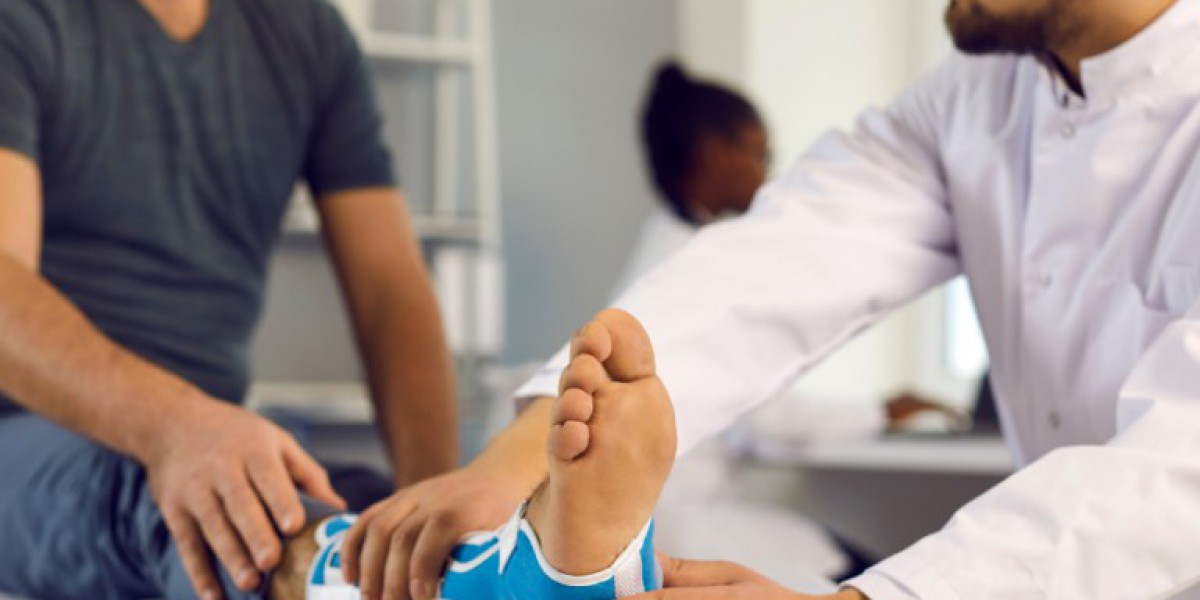
An Orthopedic Emergency can happen suddenly because of a fall, sports injury, car accident, workplace accident, or unexpected movement. Problems such as broken bones, dislocated joints, severe sprains, and serious muscle injuries may cause intense pain and make normal movement difficult. Getting medical attention quickly can help identify the injury and prevent complications.
At ER of Forthworth, patients can receive prompt evaluation for urgent bone, joint, muscle, and soft-tissue injuries. Emergency professionals can assess symptoms, perform appropriate diagnostic testing, and recommend treatment based on the injury.
What Is an Orthopedic Emergency?
An orthopedic emergency is an injury or sudden condition involving the bones, joints, muscles, ligaments, tendons, or other parts of the musculoskeletal system that needs prompt medical evaluation.
Some injuries may appear minor at first but can become more serious without proper care. For example, a person may still be able to move an injured arm even when a small fracture is present.
Common orthopedic emergencies include:
- Broken or fractured bones
- Dislocated joints
- Severe sprains
- Torn ligaments
- Serious muscle injuries
- Tendon injuries
- Crush injuries
- Severe swelling after an accident
- Joint injuries with limited movement
- Sports-related trauma
- Workplace orthopedic injuries
The right response depends on the type and severity of the injury.
Common Causes of Sudden Orthopedic Injuries
Orthopedic injuries can occur during everyday activities or serious accidents. Some common causes include:
Falls
Falls can cause fractures, sprains, dislocations, and injuries to the wrists, ankles, knees, hips, and shoulders. Older adults may have a higher risk of fractures after a fall.
Sports Injuries
Running, jumping, contact sports, and sudden changes in direction can place stress on bones, joints, muscles, and ligaments. Athletes may experience ankle sprains, knee injuries, shoulder dislocations, or other trauma.
Car Accidents
Vehicle accidents can produce strong forces on the body. These injuries may involve fractures, joint damage, muscle injuries, or multiple orthopedic problems.
Workplace Accidents
Heavy equipment, lifting, slipping, falling, and repetitive physical activities can result in orthopedic injuries. Prompt evaluation may help determine the seriousness of the problem.
Sudden Twisting or Movement
A quick twist can injure a knee, ankle, shoulder, or other joint. Severe pain, swelling, or difficulty moving the affected area should not be ignored.
Warning Signs That Need Immediate Attention
Knowing the warning signs can help you decide when emergency care is appropriate.
Seek prompt medical evaluation if you experience:
- Severe or increasing pain
- A bone that appears out of position
- A joint that looks deformed
- Major swelling
- Inability to use an arm or leg normally
- Inability to put weight on an injured leg
- Numbness or tingling
- Weakness in the affected area
- Heavy bleeding associated with an injury
- A visible or suspected fracture
- Severe pain following an accident
- A limb that appears unusually pale, blue, or cold
These symptoms can indicate a more serious injury that should be assessed by a healthcare professional.
Fractures and Broken Bones
A fracture occurs when a bone cracks or breaks. Fractures can happen after falls, vehicle accidents, sports injuries, or direct blows.
Symptoms may include:
- Sudden pain
- Swelling
- Bruising
- Difficulty moving the affected area
- Tenderness
- A change in the shape of the body part
- Difficulty bearing weight
Some fractures are obvious, while others may be harder to recognize. Imaging can help healthcare professionals evaluate the injured area and determine the appropriate treatment.
Do not try to force a damaged body part back into position. Keep the area as still as possible and seek medical attention.
Joint Dislocations
A dislocation happens when the bones forming a joint move out of their normal position. This can happen in the shoulder, elbow, finger, knee, or other joints.
A dislocated joint may cause:
- Severe pain
- Swelling
- Limited movement
- Visible deformity
- Muscle spasms
- Numbness or unusual sensations
A dislocated joint needs professional evaluation. Trying to move the joint back into place without medical training can make the injury worse.
Severe Sprains and Ligament Injuries
Ligaments connect bones and help stabilize joints. A severe sprain can occur when a ligament is stretched too far or torn.
An injured ligament may cause:
- Pain
- Swelling
- Bruising
- Joint instability
- Difficulty walking or using the affected area
Mild injuries may improve with rest and supportive care, but severe pain, significant swelling, instability, or inability to use the joint should be medically evaluated.
How Emergency Orthopedic Care Works
When a patient arrives at ER of Forthworth with an orthopedic injury, healthcare professionals first evaluate the symptoms and injury history.
The evaluation may include:
Initial Assessment
The medical team checks pain, swelling, movement, circulation, sensation, and the overall condition of the injured area.
Diagnostic Imaging
Depending on the injury, diagnostic imaging may be used to look for fractures or other problems. X-rays are commonly used to examine bones, while other imaging methods may be considered when additional information is needed.
Injury Stabilization
Some injuries may require temporary stabilization to reduce movement and protect the affected area.
Pain Management
Appropriate pain relief may be provided based on the patient's condition and medical needs.
Treatment Planning
After evaluation, healthcare professionals determine whether the injury can be treated in the emergency setting or requires follow-up with an orthopedic specialist or another healthcare provider.
What to Do Before Reaching Emergency Care
Taking sensible steps immediately after an injury can help protect the affected area.
Consider these basic measures:
- Stop the activity that caused the injury.
- Avoid putting unnecessary weight on the injured area.
- Keep the injured body part as still as possible.
- Use a cold pack for swelling when appropriate, with a cloth between the cold source and skin.
- Do not attempt to straighten a visibly deformed limb.
- Do not try to relocate a dislocated joint yourself.
- Seek emergency medical evaluation for serious symptoms.
If there is severe bleeding or a life-threatening emergency, contact emergency medical services immediately.
Orthopedic Emergencies in Children
Children can experience orthopedic injuries during sports, play, school activities, or falls. A child may not always be able to explain exactly how serious the pain is.
Parents and caregivers should pay attention to:
- Persistent crying after an injury
- Refusal to use an arm or leg
- Significant swelling
- Visible deformity
- Severe pain
- Difficulty walking
- Unusual movement of a joint
- Numbness or weakness
A prompt medical evaluation can help determine whether the child has a fracture, sprain, dislocation, or another injury.
Sports-Related Orthopedic Emergencies
Sports injuries are common among active people. Contact sports, jumping, running, and sudden movements can place stress on joints and soft tissues.
Common sports-related injuries include:
- Ankle sprains
- Knee injuries
- Shoulder dislocations
- Fractures
- Muscle strains
- Ligament injuries
- Tendon injuries
Athletes should not return to activity simply because the pain becomes manageable. A proper evaluation can help determine whether it is safe to resume normal activity.
Workplace Orthopedic Emergencies
Workplace accidents can affect employees in construction, manufacturing, warehouses, offices, healthcare, and many other industries.
Heavy lifting, falls, machinery accidents, and repetitive physical tasks may contribute to orthopedic injuries.
If an injury occurs at work, prompt medical evaluation may help:
- Identify the type of injury
- Determine the appropriate treatment
- Address severe pain or swelling
- Document the injury and medical evaluation
- Provide guidance about follow-up care
Employees should also follow their workplace injury-reporting procedures.
Why Prompt Treatment Matters
Waiting too long after a serious injury may allow symptoms to worsen or make recovery more difficult. Some injuries need stabilization, imaging, or other treatment as soon as possible.
Prompt evaluation can help healthcare professionals:
- Identify fractures and dislocations
- Assess the severity of soft-tissue injuries
- Manage pain
- Protect the injured area
- Reduce the risk of complications
- Determine whether specialist follow-up is needed
Not every orthopedic injury is an emergency, but severe symptoms should not be ignored.
When to Choose Emergency Care
Emergency evaluation is especially important when an injury involves severe pain, significant swelling, visible deformity, inability to use the affected body part, numbness, or a suspected fracture or dislocation.
For less serious injuries, a primary care provider or urgent care clinic may sometimes be appropriate. However, when symptoms are severe or the injury resulted from major trauma, emergency evaluation is a safer choice.
Orthopedic Emergency Care at ER of Forthworth
ER of Forthworth provides emergency evaluation for patients experiencing sudden injuries and urgent medical problems. For orthopedic concerns, the care team can assess symptoms, examine the injured area, and determine whether diagnostic testing or additional treatment is needed.
Patients may seek emergency evaluation for conditions such as fractures, dislocations, severe sprains, sports injuries, workplace injuries, and other sudden orthopedic problems.
The goal is to provide timely medical assessment and help patients understand the next appropriate step in their care.
Frequently Asked Questions
What is considered an orthopedic emergency?
A serious fracture, dislocation, severe sprain, major injury, visible deformity, or injury causing severe pain or loss of normal movement may require emergency evaluation.
Should I go to the ER for a suspected broken bone?
Yes, particularly if there is severe pain, significant swelling, deformity, inability to use the limb, numbness, or an injury caused by major trauma.
Can a dislocated joint heal on its own?
A dislocated joint should be evaluated by a healthcare professional. Attempting to put it back into place yourself can cause additional injury.
When should I seek care for a sports injury?
Seek medical attention when pain is severe, swelling is significant, the joint is unstable, movement is very limited, or you cannot put weight on the injured area.
Can children have orthopedic emergencies?
Yes. Children can experience fractures, dislocations, sprains, and other injuries. Severe pain, swelling, deformity, or refusal to use an injured limb should be evaluated promptly.
What imaging may be used for orthopedic injuries?
X-rays are commonly used to evaluate suspected fractures. Depending on the symptoms and injury, healthcare professionals may recommend other diagnostic imaging.
Can workplace injuries require emergency care?
Yes. Serious workplace injuries involving fractures, crush injuries, severe pain, dislocations, or major trauma may require prompt emergency evaluation.
What should I avoid after a serious orthopedic injury?
Avoid forcing the injured body part into a normal position, walking on a severely injured leg, or trying to relocate a dislocated joint yourself. Keep the area protected and seek appropriate medical care.
For more information visit:https://eroffortworthtx.com/services/orthopedic-emergency-treatment/