
Introduction
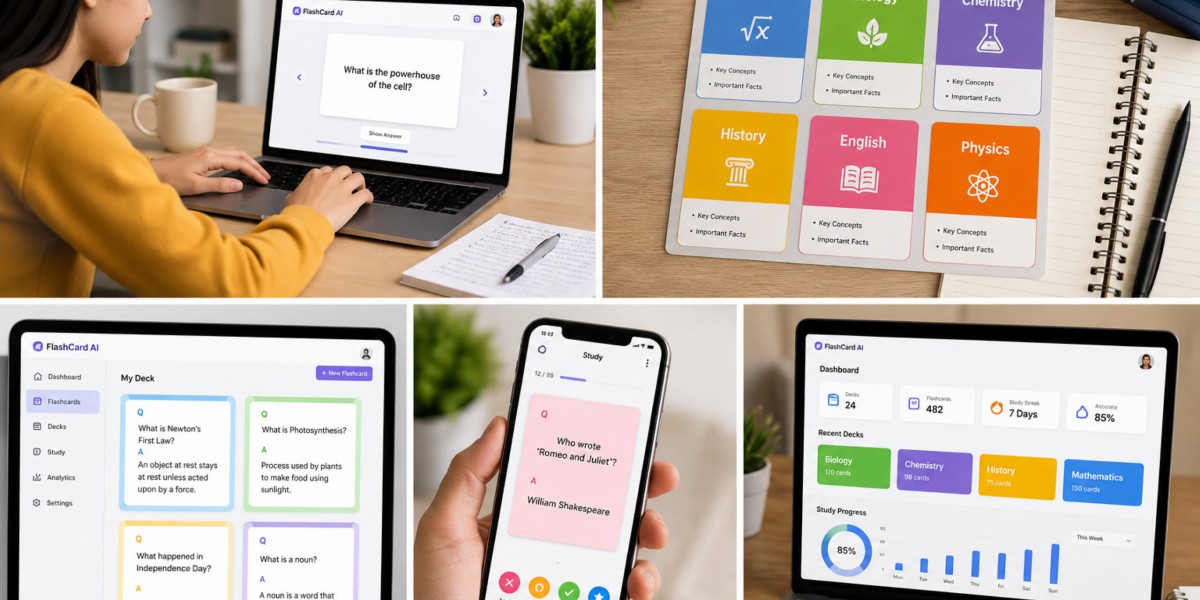
Learning becomes easier when information is clear, organized, and engaging. Traditional notes can sometimes feel difficult to review, especially when students need to remember many facts, definitions, terms, or concepts. Color flashcards offer a simple visual way to organize learning material and make revision more interesting.
By combining short information with different colors, learners can create study materials that are easier to scan and organize. Digital tools such as FlashCard AI can also help users create and manage flashcards for different subjects. Whether you are preparing for exams, learning vocabulary, or reviewing difficult topics, color-based flashcards can become a useful part of your study routine.
What Are Color Flashcards?
Color flashcards are learning cards that use different colors to organize, highlight, or separate information. A card can contain a question on one side and an answer on the other, while colors are used to make important information easier to identify.
For example:
- Blue: Definitions
- Green: Examples
- Yellow: Important facts
- Red: Difficult concepts
- Purple: Vocabulary
The exact color system can be customized according to the learner's preferences.
Color does not replace the information on a flashcard. Instead, it provides an additional visual organization system that can make study materials easier to navigate.
Why Are Color Flashcards Useful?
Color can make digital or physical learning materials more visually organized. When used carefully, it can help learners quickly identify categories and focus on important information.
A good flashcard system should remain simple. Using too many colors without a clear purpose can make cards confusing. The goal is to use color as a helpful learning signal rather than decoration.
10 Powerful Benefits of Using Color Flashcards
1. Makes Learning More Engaging
Studying the same type of plain notes for a long time can become boring. Adding purposeful colors can make flashcards more visually interesting.
Learners may find it easier to stay engaged when their study materials have clear visual differences. This can encourage them to spend more time reviewing important information.
2. Improves Organization
One of the biggest benefits of using color is organization. Different colors can represent different subjects, categories, or levels of importance.
For example, a student studying biology could use:
- Green for plant biology
- Blue for human biology
- Orange for important terms
- Red for difficult concepts
This system allows learners to recognize information categories quickly.
3. Helps Highlight Important Information
Not every piece of information has the same importance. Color can help draw attention to facts that require additional review.
For example, a learner could mark difficult cards with a specific color. During revision, they can quickly identify which cards need more attention.
This can make study sessions more focused instead of treating every card in exactly the same way.
4. Supports Visual Learning
Some learners find visual organization helpful when studying. Color adds another visual element to text-based learning.
A flashcard can contain:
Question: What is the function of the heart?
Answer: The heart pumps blood throughout the body.
A specific color can then identify the subject or category of the card.
Color should not be considered a replacement for understanding, but it can make information easier to organize visually.
5. Makes Study Flashcards Easier to Review
Large flashcard decks can become difficult to navigate when every card looks the same. A consistent color system can make study flashcards easier to scan.
For example:
Yellow cards: Quick facts
Blue cards: Definitions
Red cards: Difficult questions
When reviewing a large deck, learners can immediately recognize the type of information they are looking at.
6. Helps With Vocabulary Learning
Color flashcards can be especially useful for vocabulary practice.
A language learner could use one color for new words and another for words that require more practice.
A vocabulary card might include:
Word: Brilliant
Meaning: Very intelligent or impressive.
Example: “She had a brilliant idea.”
Adding a consistent color category can help learners organize vocabulary into manageable groups.
7. Supports Exam Preparation
Exam preparation often involves reviewing large amounts of information. Flashcards can break that information into smaller questions and answers.
Color can add another level of organization.
Students can create categories such as:
- Important definitions
- Formulas
- Dates
- Key concepts
- Difficult questions
- Frequently reviewed topics
This can help learners quickly identify the information they want to practice.
8. Makes It Easy to Create Flashcards Online
Digital learning tools make it possible to create flashcards online without needing physical cards, paper, or markers.
A digital workflow can be simple:
- Choose a topic.
- Add important information.
- Create questions and answers.
- Assign colors to categories.
- Organize the cards into a deck.
- Review them regularly.
With FlashCard AI, learners can include digital flashcards in their broader study routine and keep their learning materials organized.
9. Makes Difficult Topics Easier to Identify
Students do not always struggle with an entire subject. Sometimes only a few concepts require additional practice.
Color coding can help identify these areas.
For example:
- Green = Easy
- Yellow = Needs review
- Red = Difficult
During a revision session, students can focus first on the red cards. After understanding the topic, they can change the category when appropriate.
This creates a simple visual progress system.
10. Encourages Consistent Study Habits
A good study system should be easy enough to use regularly. Color flashcards can make revision more structured by giving learners a clear system for organizing information.
A simple daily routine could include:
- Reviewing older cards
- Practicing difficult cards
- Adding new information
- Updating incorrect cards
- Moving mastered topics into a completed category
Consistency is often more useful than creating a large number of flashcards and reviewing them only once.
How to Use Color Flashcards Effectively
Using many colors does not automatically make flashcards better. A simple and consistent system usually works best.
Choose a Clear Color System
Decide what each color means before creating a large deck.
For example:
| Color | Purpose |
|---|---|
| Blue | Definitions |
| Green | Examples |
| Yellow | Important facts |
| Red | Difficult topics |
| Purple | Vocabulary |
You can change this system based on your subject and learning needs.
Do Not Use Too Many Colors
Too many colors can make a deck visually confusing. Start with three to five categories and expand only when necessary.
Keep Questions Short
A strong flashcard should focus on one main idea. Short questions make cards easier to understand and review.
Keep Answers Clear
Avoid filling one card with an entire textbook paragraph. Use simple explanations and divide large topics into multiple cards.
Review Difficult Cards More Often
Use your color system to identify cards that need additional practice. Spend more time on difficult information instead of repeatedly reviewing concepts you already know well.
Color Flashcards and FlashCard AI
FlashCard AI can be part of a modern digital learning routine by helping learners create and manage flashcard-based study materials.
A useful workflow is:
- Collect your notes.
- Identify important concepts.
- Turn concepts into questions and answers.
- Organize cards by topic.
- Use colors to identify categories.
- Review the cards regularly.
- Focus on difficult information.
The purpose is to create a study system that is simple, organized, and easy to maintain.
FAQs About Color Flashcards
What are color flashcards?
Color flashcards are learning cards that use different colors to organize information, highlight important concepts, or separate categories.
Are color flashcards good for studying?
Yes. They can make study materials more organized and visually easy to review, especially when colors are used consistently.
How many colors should I use for flashcards?
Three to five colors are a good starting point. The best number depends on your subject and personal organization system.
Can I create color flashcards online?
Yes. Digital flashcard tools allow learners to create, organize, and review flashcards online without using physical cards.
Final Thoughts
Color flashcards provide a simple way to make learning materials more organized and visually clear. By assigning specific colors to categories, difficulty levels, or types of information, learners can quickly identify what they need to review.
From vocabulary and science to mathematics and computer science, this method can be adapted to many subjects. Digital tools also make it easier to create flashcards online, edit them, and keep study materials organized.
FlashCard AI can complement this approach by supporting a digital flashcard routine. The key is to keep your system simple, use colors with a clear purpose, create focused cards, and review them consistently.
For more detail visit:http://truthbook.social/1785170492918617_141095