
Quick Summary
Modern fingerprinting has moved far beyond traditional ink and paper. Today's systems use advanced sensors, image-processing algorithms, quality assessment, encryption, and secure digital transmission to capture and verify fingerprint information. Digital fingerprinting can make identity verification faster, more consistent, and easier to integrate with modern background-check and identification processes. However, the technology works best when high-quality biometric data is captured and handled according to the requirements of the organization receiving it.
The Technology Behind Digital Fingerprinting
A modern fingerprint system may appear simple from the outside: a person places a finger on a scanner and an image appears on a computer. Behind that apparently straightforward action is a sophisticated chain of hardware and software.
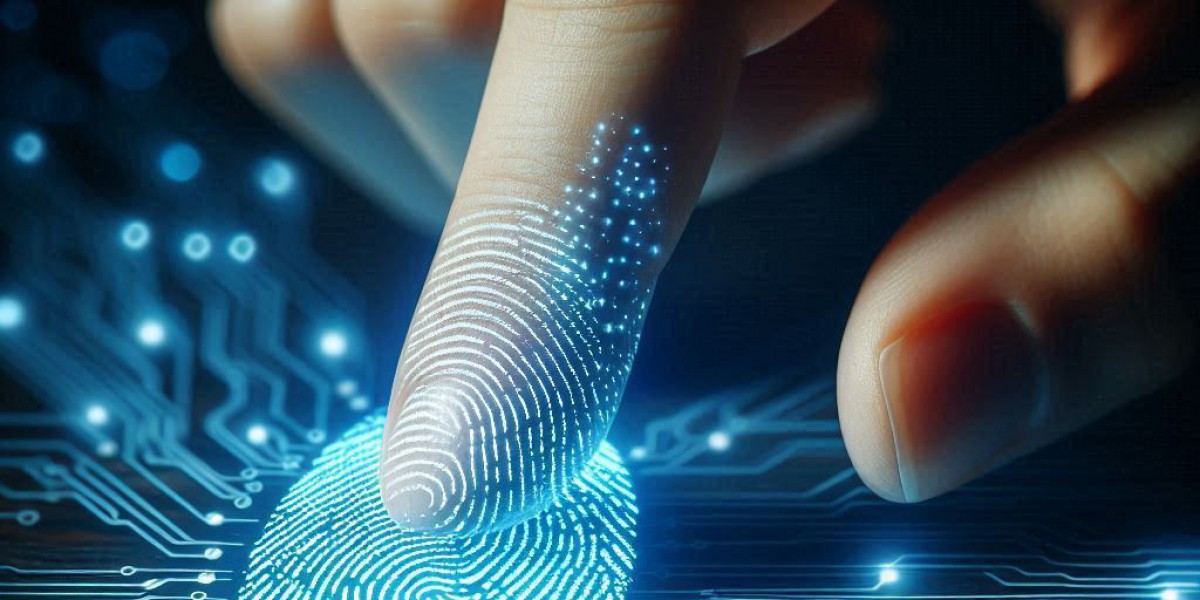
The process begins when a scanner detects the unique ridge patterns on a person's fingertip. The captured information is then converted into a digital representation that can be assessed for quality, formatted according to applicable standards, encrypted, and transmitted through an authorized system.
This combination of biometric hardware and software is what makes Digital fingerprinting fundamentally different from conventional ink-based fingerprint collection.
1. Advanced Fingerprint Sensors
The first technological component is the fingerprint sensor.
Modern scanners can use different sensing technologies, including optical, capacitive, and other specialized approaches. Optical systems capture an image of the fingerprint using light and imaging components. Capacitive systems measure differences in electrical properties between the ridges and valleys of a fingerprint.
The objective is the same: create a sufficiently detailed representation of the fingerprint pattern for subsequent processing.
Sensor quality matters because fingerprints are biological features. Dry skin, moisture, dirt, worn ridges, excessive pressure, or incorrect finger placement can affect the captured image.
2. Automated Image Processing
Capturing an image is only the beginning.
Fingerprint software can process the captured image to improve its suitability for identification. Image-processing techniques may assess contrast, ridge clarity, orientation, and other characteristics.
Modern systems can also identify whether an image meets predefined quality thresholds. This can help a technician recognize a potentially unusable impression before the application is submitted.
This quality-control layer is one of the major advantages of Digital fingerprinting, particularly when fingerprints are being prepared for government, immigration, employment, licensing, or background-check purposes.
3. Biometric Features and Pattern Analysis
Fingerprints are generally analyzed through distinctive characteristics within their ridge patterns. These can include ridge endings, bifurcations, and overall ridge flow.
Biometric systems can extract relevant characteristics from a fingerprint image and represent them mathematically. The resulting data can then be compared with another fingerprint representation during an authorized matching process.
Importantly, fingerprint recognition does not simply depend on looking for a visually identical photograph. Specialized algorithms analyze measurable characteristics within the biometric information.
4. Quality Assessment Happens Before Matching
A fingerprint that looks acceptable to a human observer may not necessarily provide sufficient information for automated comparison.
For this reason, fingerprint systems commonly incorporate quality assessment. Poor-quality impressions can be flagged so that the finger can be repositioned or recaptured.
This matters because an unsuccessful biometric comparison may have nothing to do with an individual's identity. The problem may instead originate from insufficient image quality.
Professional providers such as VS Fingerprinting emphasize accurate fingerprint capture as part of their fingerprinting services. Their website serves as a useful reference for understanding the practical side of professional biometric collection.
5. Encryption Protects Digital Biometric Information
Once fingerprint information becomes digital, protecting it becomes critical.
Biometric information is highly sensitive because fingerprints are persistent identifiers. Unlike a password, a person cannot simply replace their fingerprints after a data exposure.
Modern secure systems therefore use encryption and controlled data-transfer mechanisms to protect information during storage or transmission, depending on the system and applicable requirements.
Secure handling is an important consideration whenever Digital fingerprinting information is transferred electronically to an authorized recipient or processing organization.
6. Secure Digital Transmission
Another important technological development is the ability to transmit fingerprint information electronically.
Traditional ink cards require physical handling, transportation, and manual processing. Digital systems can instead package fingerprint information into an electronic format compatible with the receiving organization's requirements.
This can reduce some physical handling steps and potentially improve processing efficiency. However, electronic transmission does not mean every fingerprint can be sent through any ordinary online service. The receiving authority may specify particular formats, systems, or authorized submission channels.
Applicants should therefore confirm the exact submission requirements before choosing a fingerprinting method.
7. Standards Make Systems Interoperable
Biometric technology becomes considerably more useful when different systems can understand the same type of information.
International and national technical standards help establish how fingerprint images and related biometric information should be formatted and exchanged. Standards can address factors such as image resolution, file structure, compression, and data organization.
This interoperability is especially important for applications involving government agencies, immigration authorities, law enforcement organizations, and international identity verification.
8. Digital Fingerprinting and the Future of Identity Verification
Artificial intelligence and machine learning are also influencing biometric technology.
Advanced algorithms can assist with image-quality assessment, pattern analysis, fraud detection, and automated comparison. These technologies may improve the ability of systems to process large volumes of biometric information efficiently.
However, technology does not eliminate the need for careful human oversight. Fingerprinting professionals remain important for correct positioning, quality control, identity-document checks, and ensuring that the capture process follows the applicable requirements.
The future of Digital fingerprinting is therefore likely to involve greater automation while retaining strong procedural safeguards.
Why Accurate Capture Still Matters
Even the most sophisticated fingerprint software cannot completely compensate for poor biometric capture.
A high-quality scanner cannot manufacture missing ridge detail. If a person's finger is incorrectly positioned or the captured image contains insufficient information, the resulting biometric record may be unsuitable for its intended purpose.
That is why applicants should view Digital fingerprinting as a complete process rather than simply a scanning event. Equipment, technician expertise, software, data security, quality control, and submission procedures all contribute to the final result.
Choosing Professional Fingerprinting Services
When fingerprinting is required for an official purpose, applicants should consider whether the provider has appropriate equipment, understands the relevant submission requirements, and takes privacy and information security seriously.
VS Fingerprinting provides fingerprinting-related services and information through its website and can serve as a reference for individuals researching professional fingerprint collection.
Ultimately, Digital fingerprinting combines biometric science with modern computing to create a more connected approach to identity verification. The technology behind the scanner may be invisible to the applicant, but every stage—from sensor capture to image quality and secure transmission—can influence the usefulness of the final biometric submission.
Final Thoughts
The modern fingerprint scanner represents only one visible part of a much larger technological ecosystem. Sensors capture biometric patterns, software evaluates image quality, algorithms analyze distinctive features, security systems protect sensitive information, and digital networks can transmit data to authorized processing systems.
Understanding these layers makes it easier to appreciate why professional fingerprint collection remains important despite rapid technological advancement. Digital fingerprinting is not simply about replacing ink with a scanner; it represents the integration of biometrics, computing, security, and identity verification into a single workflow.