
Quick Summary
Two properties can appear to have the same mold problem while requiring completely different solutions. The visible mold may be similar, but the underlying moisture source, affected materials, building design, airflow, contamination pathway, and duration of exposure can vary significantly. Effective restoration therefore requires investigation, moisture control, appropriate containment, and a solution based on the specific conditions of the property.
Mold problems can look remarkably similar while requiring very different responses. Two homes may each have visible growth on a wall, yet differences in moisture sources, building materials, ventilation, contamination pathways, and the age of the problem can change the appropriate approach. This is why professional mold removal Los Angeles work should begin with investigation rather than assumptions.
A small-looking area may have moisture hidden behind drywall, while another apparently similar area may involve only a limited surface condition. Treating both situations exactly the same can overlook the underlying cause and increase the possibility of recurring problems.
Why Similar Problems Can Need Different Mold Removal Los Angeles Approaches
The most important distinction is often not what the mold looks like, but why it developed.
The EPA emphasizes moisture control as a fundamental part of mold management. Mold requires moisture to grow, so identifying and correcting the water source is essential. A bathroom with persistent condensation, for example, presents a different problem from a wall affected by a plumbing leak.
Even if the visible growth appears comparable, the restoration strategy may need to address completely different causes.
The Moisture Source Changes the Entire Strategy
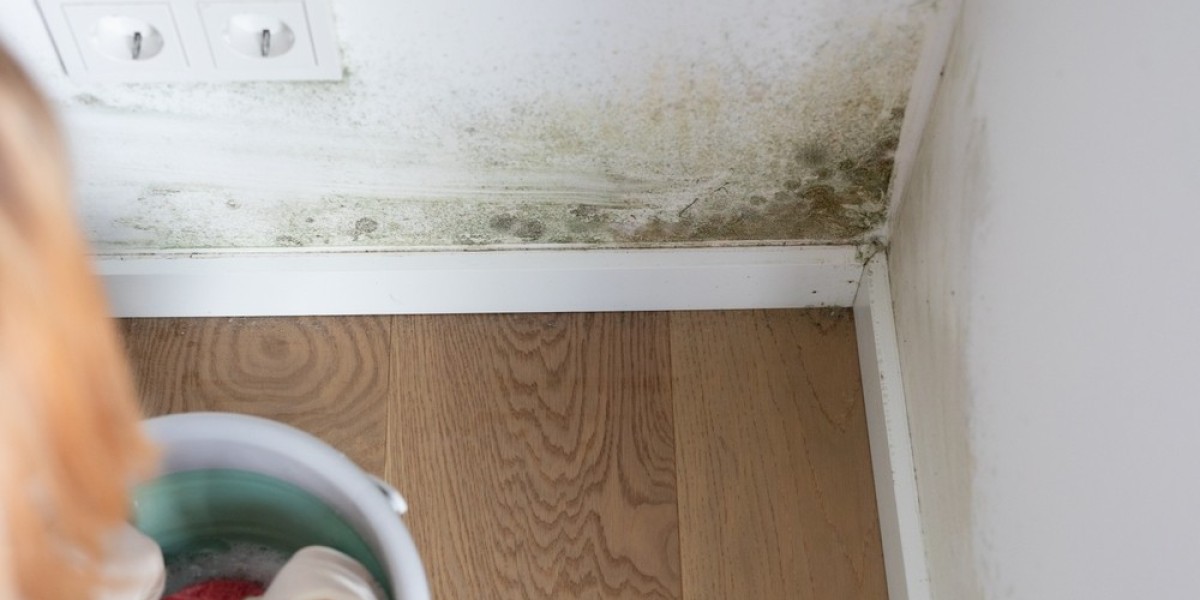
Consider two rooms with mold near a baseboard.
In the first room, a leaking supply line may have allowed water to enter the wall cavity. In the second, poor ventilation may have caused repeated condensation over months.
The first situation may require plumbing repairs, moisture mapping, controlled drying, and evaluation of concealed materials. The second may require improved ventilation, humidity management, and treatment of affected surfaces.
Professional mold removal Los Angeles services therefore need to investigate moisture before determining the appropriate scope of work.
Building Materials Respond Differently to Moisture
The material surrounding mold can significantly affect restoration decisions.
Porous materials such as drywall, insulation, carpeting, and some ceiling materials can absorb moisture and may become difficult to restore when extensively affected. Nonporous surfaces such as certain metals, glass, and hard plastics generally respond differently to cleaning.
Wood introduces another consideration because it can absorb and retain moisture. A wooden component that appears dry on the surface may require further assessment before a restoration decision is made.
This is one reason experienced mold removal Los Angeles professionals evaluate the material itself rather than applying one universal treatment.
The Age of the Problem Matters
Two mold discoveries may appear identical even though one developed recently and the other has existed for an extended period.
A recent plumbing incident may have created localized moisture, while an older roof leak may have repeatedly exposed building materials to moisture. Long-term moisture can affect materials beyond the visibly damaged area.
Professionals may therefore investigate adjacent walls, flooring, insulation, ceilings, and other concealed spaces when evidence suggests that moisture has traveled beyond the original location.
Airflow Can Change the Contamination Pattern
Air movement is another reason seemingly identical situations can behave differently.
Heating, ventilation, and air-conditioning systems move air throughout buildings. Pressure differences, open doors, fans, and ductwork can also influence how airborne particles move.
A mold problem isolated inside a small, closed area may therefore require a different containment strategy from one associated with extensive airflow between rooms.
During mold removal Los Angeles, professionals can consider building layout and airflow when determining how to isolate affected areas and prevent unnecessary spread during restoration.
Property Design Creates Different Challenges
A modern apartment, historic house, commercial office, and recently renovated property can all experience mold, but their construction characteristics may be very different.
Older buildings may contain multiple layers of materials or hidden cavities. Newer buildings may have tightly sealed construction and complex mechanical systems. Multi-unit properties can introduce additional concerns because moisture or airflow may cross boundaries between spaces.
The visible mold does not reveal these differences by itself. A professional assessment helps establish the broader building context.
Humidity Levels Can Influence Recurring Problems
Humidity is particularly important because elevated indoor moisture can encourage mold growth and condensation.
The EPA generally recommends keeping indoor relative humidity below 60%, with an ideal range of approximately 30% to 50% when practical. However, a single humidity reading does not tell the entire story. Humidity can change throughout the day and may differ considerably between rooms.
For mold removal Los Angeles, understanding these environmental patterns can help determine whether the visible problem is an isolated event or part of a continuing moisture-management issue.
Why Surface Cleaning Is Not Always Enough
Cleaning visible growth without addressing the moisture source may provide only a temporary improvement.
If a concealed leak continues, or excessive condensation repeatedly affects the same area, conditions favorable to mold may remain. That is why effective restoration focuses on both the affected area and the cause.
Professional mold removal Los Angeles solutions may include moisture assessment, containment, removal or cleaning of affected materials when appropriate, drying, and correction of the underlying moisture problem.
Professional Assessment Creates a More Targeted Solution
A good restoration strategy should be based on evidence rather than the assumption that every mold problem is the same.
Professionals may use visual inspection, moisture meters, thermal imaging, environmental observations, and building-system information to understand what is happening. Testing may be appropriate in certain circumstances, but it is not automatically necessary for every situation.
This individualized process helps determine the reasonable scope of work and prevents a one-size-fits-all approach.
The Goal Is More Than Removing Visible Mold
The ultimate objective of mold removal Los Angeles is not simply making a discolored surface look clean. A successful approach should also address the conditions that allowed the problem to develop.
That means identifying moisture, evaluating affected materials, controlling the work area when appropriate, and correcting contributing building conditions.
Two properties can have nearly identical-looking mold while having completely different causes. The most effective solution is therefore the one matched to the building, moisture source, materials, and extent of the problem.
For homeowners and property managers, this is an important lesson: visible mold is only one part of the investigation. A careful, evidence-based approach can help ensure that restoration decisions address the actual problem rather than simply its most obvious symptom.