
Introduction
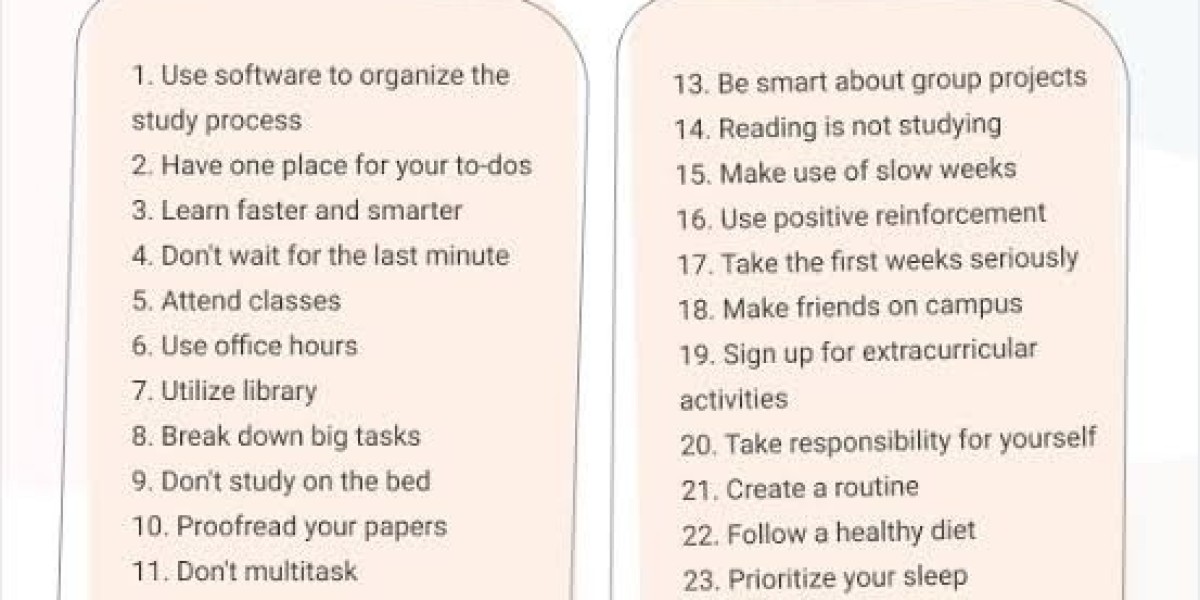
Education is an important part of personal and professional growth. Whether someone is preparing for an exam, learning a new skill, improving career knowledge, or simply exploring a subject out of curiosity, having an effective learning approach can make the process easier. The right Education tips and guides can help learners organize their time, understand difficult concepts, improve concentration, and develop better study habits.
Learning has also changed significantly because of digital technology. Students and lifelong learners now have access to online courses, educational videos, digital libraries, interactive tools, and artificial intelligence applications. UNESCO's current work on digital education highlights the growing role of AI and digital technologies while emphasizing human agency, critical thinking, ethics, and inclusive access to learning.
However, having access to more information does not automatically mean learning becomes easier. Learners still need good habits, reliable resources, critical thinking, and consistency. This guide explores practical ways to make learning more organized and productive.
What Are Education Tips and Guides?
Education tips and guides are practical resources designed to help learners improve how they study, understand information, develop skills, and manage educational challenges.
They can include advice about:
- Study planning
- Time management
- Note-taking
- Exam preparation
- Online learning
- Research skills
- Digital tools
- Critical thinking
- Skill development
A useful guide should provide practical information that learners can understand and apply. Instead of simply collecting large amounts of information, learners should focus on resources that answer their questions and help them make measurable progress.
7 Education Tips and Guides for Better Learning
1. Set Clear Learning Goals
A clear goal gives your learning routine direction. Instead of saying, "I want to study more," create a specific target such as completing a chapter, understanding a particular concept, practicing a programming topic, or preparing for an upcoming test.
Good learning goals should be realistic and measurable.
For example:
- Complete two lessons this week.
- Review 20 important concepts.
- Practice a new skill for 30 minutes each day.
- Finish one research assignment before the deadline.
Breaking a large objective into smaller tasks can make it feel more manageable. It also makes it easier to track progress.
2. Create a Consistent Study Routine
Consistency can be more useful than studying for long hours occasionally. A regular schedule gives the brain repeated opportunities to review and practice information.
Choose a study period that fits your daily responsibilities. Some learners prefer studying early in the morning, while others concentrate better later in the day.
A simple routine might include:
- Reviewing previous material.
- Learning a new concept.
- Practicing what you learned.
- Taking a short break.
- Reviewing key points before finishing.
Avoid filling every available hour with studying. Rest and personal activities can also help maintain a sustainable routine.
3. Use Active Learning Instead of Only Reading
Simply reading information repeatedly does not always lead to strong understanding. Active learning encourages you to interact with the material.
After reading a topic, try explaining it in your own words. You can also create questions, solve practice problems, make flashcards, or teach the concept to someone else.
4. Use Digital Tools Wisely
Technology has created many opportunities for education. Online platforms can provide access to courses, educational resources, digital books, interactive exercises, and collaboration tools.
UNESCO notes that digital technology can expand educational opportunities, strengthen digital competencies, and support lifelong learning, while also emphasizing the importance of inclusive and responsible implementation.
When using digital tools, ask:
- Is the information accurate?
- Can I verify it through a reliable source?
- Am I actually learning the concept?
- Does the tool help me practice or simply give me an answer?
- What are the privacy or academic-integrity considerations?
Technology should support learning rather than replace the learner's own thinking.
5. Develop Better Research and Information Skills
Students and professionals encounter enormous amounts of information online. Knowing how to find information is useful, but knowing how to evaluate it is even more important.
Before using an online source, consider its author, publication date, supporting evidence, and purpose. Compare important claims with other reliable sources when necessary.
Good research habits include:
- Checking the original source
- Comparing multiple reliable references
- Looking for evidence
- Checking publication dates
6. Connect Education With Everyday Life
Learning becomes more meaningful when you can connect a concept with a real situation.
For learners interested in everyday development, practical lifestyle ideas can provide topics that connect learning with daily activities.
Likewise, technology and digital learning topics can help readers explore how modern tools are changing the way people work, study, and communicate.
7. Review, Practice, and Improve
Learning does not end when you finish reading a chapter. Reviewing information and practicing skills can help reinforce what you have learned.
Create a simple review system. At the end of each study session, write down the most important points. Later, test yourself without looking at your notes.
How Health and Lifestyle Can Support Learning
Learning is connected with everyday habits. Sleep, nutrition, movement, breaks, and a comfortable study environment can all influence how effectively someone manages a study routine.
Readers can explore health and wellness information for general topics related to healthy routines. Similarly, food and nutrition ideas can complement educational content by helping readers explore the connection between food and everyday lifestyle.
The goal is not to create a perfect routine. It is to build habits that make learning sustainable.
Make Learning More Engaging
Learning does not always have to involve sitting with a textbook for hours. Different formats can make difficult topics easier to understand.
Try combining:
- Written notes
- Diagrams
- Videos
- Practice questions
- Flashcards
- Group discussions
- Real-world projects
- Educational applications
Why Critical Thinking Matters in Modern Education
Access to information is easier than ever, but learners still need to determine whether information is accurate and useful.
Critical thinking involves asking questions rather than accepting every statement immediately. When you encounter a claim, consider its evidence, context, source, and alternative explanations.
Learning Beyond the Classroom
Education can continue throughout life. People may learn new skills to change careers, improve professional performance, understand technology, develop hobbies, or simply satisfy their curiosity.
Travel, for example, can introduce people to different cultures, languages, environments, and historical perspectives. Readers can explore travel inspiration and destination guidance as another example of learning through real-world experiences.
Finding Useful Educational Content Online
The internet provides countless educational resources, but quality varies. A useful information platform should make its content easy to understand, relevant, and practical.
- Clearly explains the topic
- Uses understandable language
- Provides useful context
- Avoids unnecessary repetition
- Distinguishes facts from opinions
- Encourages further learning
- Is regularly reviewed when the subject changes
Readers who want to explore different topics can visit BytesFlux, where educational interests can connect with health, food, lifestyle, technology, and travel content.
Frequently Asked Questions
What are the best education tips for students?
Useful strategies include setting clear goals, following a consistent study routine, using active learning, practicing regularly, reviewing information, and evaluating sources carefully.
Can AI replace traditional learning?
AI can support certain learning activities, but it does not remove the need for human thinking, practice, critical evaluation, and interaction with teachers or other learners. UNESCO emphasizes keeping human agency and critical thinking central to education in the age of AI.
How can I improve my study habits?
Start with a realistic schedule, set specific goals, remove unnecessary distractions, use active learning techniques, and review your progress regularly.
Why is critical thinking important for students?
Critical thinking helps students evaluate information, identify unsupported claims, compare perspectives, solve problems, and make better-informed conclusions.
Conclusion
Effective learning is not simply about spending more time with books or digital screens. It is about using the right strategies to understand, practice, remember, and apply information.
The most useful Education tips and guides encourage learners to set clear goals, develop consistent routines, use active learning, evaluate information, and make thoughtful use of technology. These habits can support both academic progress and lifelong learning.
An Informative Blog can also provide useful starting points for discovering new ideas, but learners should always consider the reliability and context of the information they use.