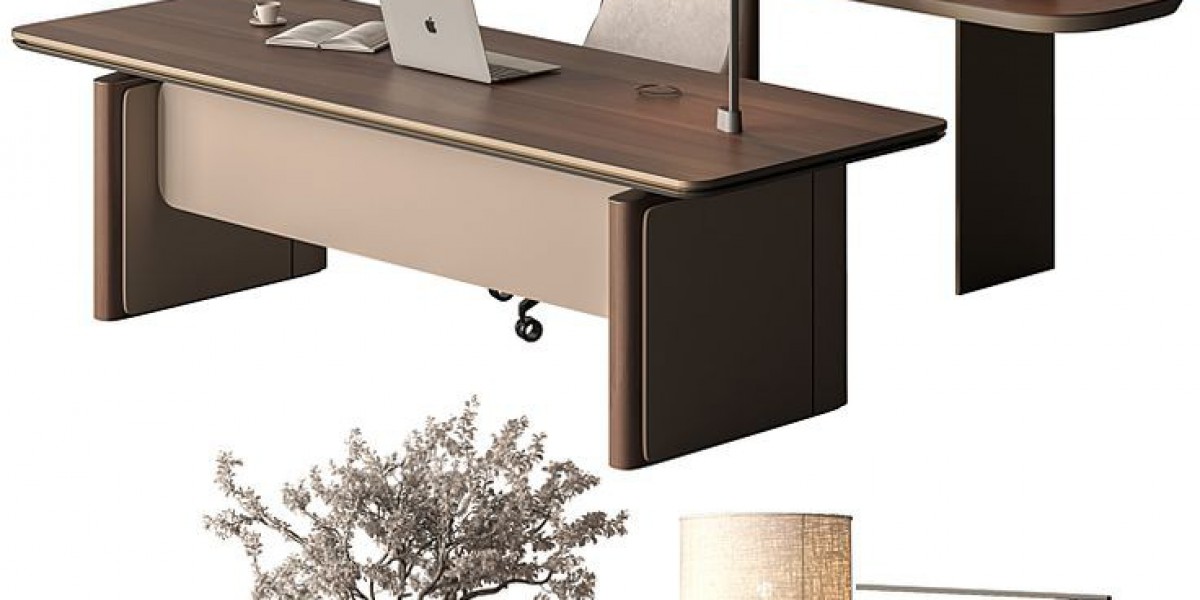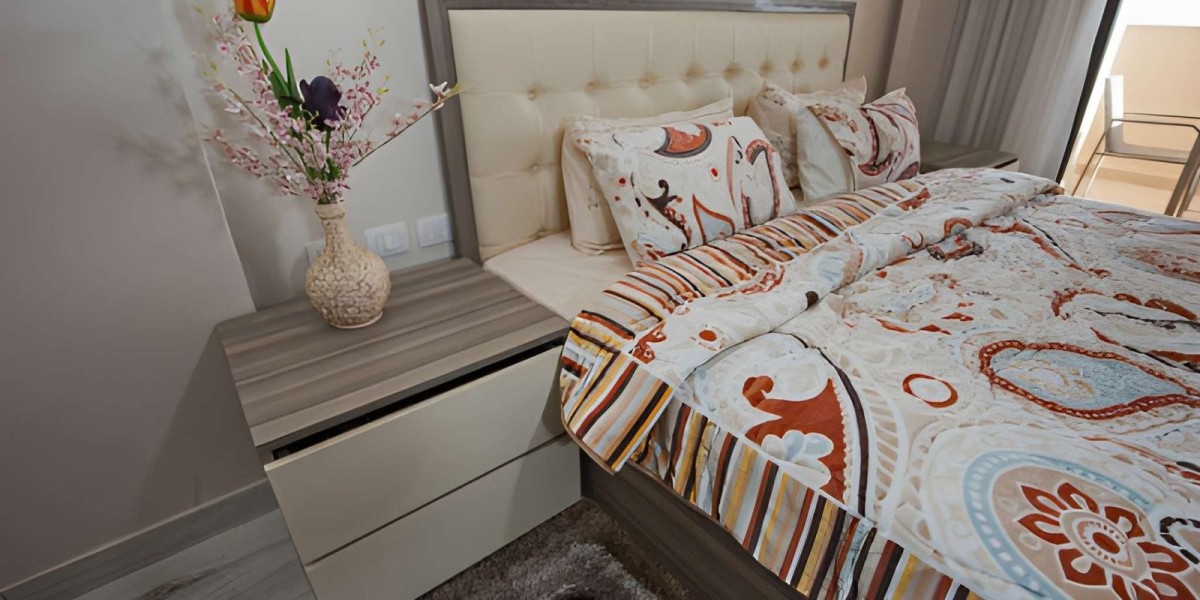

Of all the rooms in a home, the bedroom tends to get furnished with the least amount of research often because it feels more personal and less "public" than a living room, so the pressure to get it perfect feels lower. In practice, though, Bedroom Furniture in Karachi sees more daily use than almost anything else in the house, and in a city like Karachi, where humidity and dust are constant factors, getting the basics right matters more than most people expect going in. Here's what's actually worth thinking through, along with how JF Homes approaches its own bedroom collections.
Why Bedroom Furniture Deserves More Thought Than It Usually Gets
A bed frame gets used every single night. A wardrobe gets opened and closed multiple times a day. These aren't occasional-use pieces the way a dining table extension or a guest chair might be; they're under constant, repetitive stress, which means construction quality shows up faster here than almost anywhere else in a home.
Karachi's climate adds another layer to this. Humidity can cause poorly treated wood to warp or swell over time, and dust accumulation means storage pieces with tight-fitting doors and drawers hold up noticeably better than cheaper alternatives with looser tolerances. None of this shows up clearly in a showroom or a product photo — it only becomes obvious after a year or two of real use.
The Core Pieces and What Each One Actually Needs
The bed frame. This is usually the anchor piece and the one worth spending the most attention on. Beyond appearance, check the strength of the frame's support structure, particularly if it will carry a heavier mattress or see daily use by more than one person. A frame that flexes or creaks within the first year is a sign of weak joinery, not just "settling in."
The wardrobe. Storage capacity matters, but so does the internal layout. A wardrobe with generous hanging space but no shelving flexibility can be just as frustrating as one that's too small. Sliding doors can be a practical choice for smaller rooms, while hinged doors often allow for better internal organization in larger spaces.
The dressing table. Often treated as a secondary piece, but worth choosing carefully if it's used daily. Drawer quality and mirror stability matter more here than decorative detailing, since this is a piece that gets used at close range every morning.
Side tables and benches. These are the most flexible pieces in terms of design risk, since they're easier to swap out later if a choice doesn't quite work. They're also a reasonable place to save on budget without significantly affecting the room's overall feel.
JF Homes designs its bedroom sets with each of these pieces considered individually rather than treating a "bedroom set" as a single generic bundle, so the wardrobe's storage logic and the bed frame's structural support both get the same level of attention as the overall look.
Matching Furniture to How the Room Actually Gets Used
Not every bedroom serves the same function. A guest room used a few times a year has very different priorities than a primary bedroom used daily by a couple, or a shared room for two children with different schedules and habits. Before finalizing furniture choices, it helps to think through a few specifics:
Is storage capacity the priority, or is floor space more limited than storage needs suggest?
Will more than one person use the room daily, which affects durability requirements for frequently touched pieces?
Does the room double as anything else, like a home office corner, which might change dressing table or desk priorities?
How much natural light does the room get, which affects whether a lighter or darker wood tone will feel right?
Answering these honestly tends to produce a more satisfying result than choosing furniture based purely on how a "complete bedroom set" looks in a catalog photo.
What Quality Actually Looks Like Up Close
A few specific details are worth checking directly, rather than trusting general descriptions like "high quality" or "durable."
Drawer and door alignment. Drawers should slide smoothly and sit flush when closed, without needing to be forced or adjusted. Misaligned drawers on a new piece are an early warning sign of inconsistent manufacturing.
Joint tightness. Gently testing a piece for wobble, particularly at corners and where legs meet the frame, reveals a lot about long-term durability that a photo simply can't show.
Finish consistency. Run a hand along edges and surfaces to check for consistent smoothness. Uneven finishing, especially at corners, often points to rushed production.
Hardware feel. Hinges and drawer slides should feel solid rather than loose or overly light, since this hardware takes the most repeated physical stress of any part of the furniture.
Budgeting Sensibly Across a Full Bedroom Set
Furnishing an entire bedroom at once can be a significant expense, so it helps to prioritize spending where it matters most. The bed frame and wardrobe see the heaviest daily use and are the most expensive to replace later if they fail early, making them reasonable places to invest more. Side tables, benches, and other secondary pieces offer more flexibility to adjust budget without meaningfully affecting the room's overall quality or feel.
JF Homes offers bedroom pieces across a range of price points, which makes this kind of prioritized budgeting easier allowing more investment in the anchor pieces while still keeping the full room cohesive in style and finish.
Bringing the Room Together
A bedroom feels complete not because every piece is expensive, but because everything works together: consistent wood tones, coordinated hardware finishes, and proportions that suit the actual size of the room. Mismatched pieces, even individually well-made ones, can leave a bedroom feeling disjointed rather than considered.
Taking the time to think through construction quality, room-specific needs, and budget priorities rather than shopping purely on appearance — makes a real difference in how satisfied you'll be with bedroom furniture years after the purchase, not just on delivery day.
Frequently Asked Questions
How do I know if a bed frame is sturdy enough for daily use?
Check the strength of the support structure and joinery rather than relying on appearance alone, and be cautious of frames that feel flexible or creak when tested in a showroom. A well-built frame should feel solid and stable under weight from the start.
What's the most important piece to prioritize when furnishing a bedroom on a budget?
The bed frame and wardrobe typically see the heaviest daily use and are the most disruptive to replace if they fail early, making them worth prioritizing in the budget. Secondary pieces like side tables offer more flexibility to save without affecting overall quality.
Why does wardrobe internal layout matter as much as its overall size?
A wardrobe with ample space but poor shelving or hanging organization can still feel inadequate day to day. Checking the internal layout against your actual storage habits gives a better sense of usability than exterior dimensions alone.
How can I check furniture quality in person before buying?
Test drawers and doors for smooth alignment, gently check joints for wobble, and run a hand along edges to check finish consistency. These physical checks reveal manufacturing quality far more reliably than photos or general descriptions.
Why does Karachi's climate matter specifically for bedroom furniture?
Humidity can cause poorly treated wood to warp or swell over time, while dust accumulation makes tight-fitting drawers and doors more practical than looser designs. These climate-specific factors make material and construction quality especially important for furniture used daily in the bedroom.