
Water shortages, unpredictable load-shedding at pumping stations, and unreliable municipal supply have made one product a household and industrial necessity across the country: the storage tank. Whether you're a homeowner in Lahore worried about summer water cuts, a factory owner in Karachi needing chemical storage, or a contractor sourcing tanks for a housing society, choosing the right storage tank in Pakistan can save you money, hassle, and long-term maintenance headaches.
In this guide, we'll break down the different types of water and industrial Storage Tank in Pakistan available locally, where they're used, and what to check before you buy — so you make a decision that actually lasts.
Why Storage Tanks Are Essential in Pakistan
Pakistan's climate and infrastructure make water reservoirs almost non-negotiable. Cities like Karachi face chronic water scarcity, tankers are a daily reality in many neighborhoods, and even areas with municipal supply often get water only a few hours a day. On top of that, industries — from textiles to pharmaceuticals — need dependable liquid holding systems to keep operations running smoothly.
A reliable water tank isn't just a convenience anymore; it's part of basic infrastructure planning for homes, commercial buildings, and factories alike.
Types of Storage Tanks Available in Pakistan
Not all liquid containers are built the same. Here's a breakdown of the most common options you'll find in the local market.
1. Plastic (Poly) Water Tanks
These are by far the most popular choice for residential use. Made from high-density polyethylene (HDPE), they're lightweight, rust-proof, and relatively affordable. Brands like Sonex, Dadex, and local manufacturers offer these in sizes ranging from 200 to over 5,000 gallons.
Best for: Homes, apartments, small commercial buildings.
2. Fiberglass (FRP) Tanks
Fiberglass reinforced plastic tanks are known for their durability and resistance to UV damage and corrosion. They're a bit pricier than standard plastic tanks but tend to last longer, especially in areas with harsh sun exposure — which is basically all of Pakistan.
Best for: Rooftop installations exposed to direct sunlight, hotels, apartment complexes.
3. Steel and Stainless Steel Tanks
Steel reservoirs, particularly stainless steel, are used where hygiene and strength matter most — think dairy processing, pharmaceuticals, and food-grade liquid storage. They're heavier, require professional installation, but offer excellent durability against pressure and contamination.
Best for: Industrial and food-processing units, chemical plants.
4. Underground (Concrete) Water Reservoirs
Common in older Pakistani homes and commercial plazas, underground concrete reservoirs store large volumes and keep water cooler in extreme heat. They require more construction work upfront but offer excellent long-term capacity for bigger properties.
Best for: Large houses, commercial plazas, housing societies.
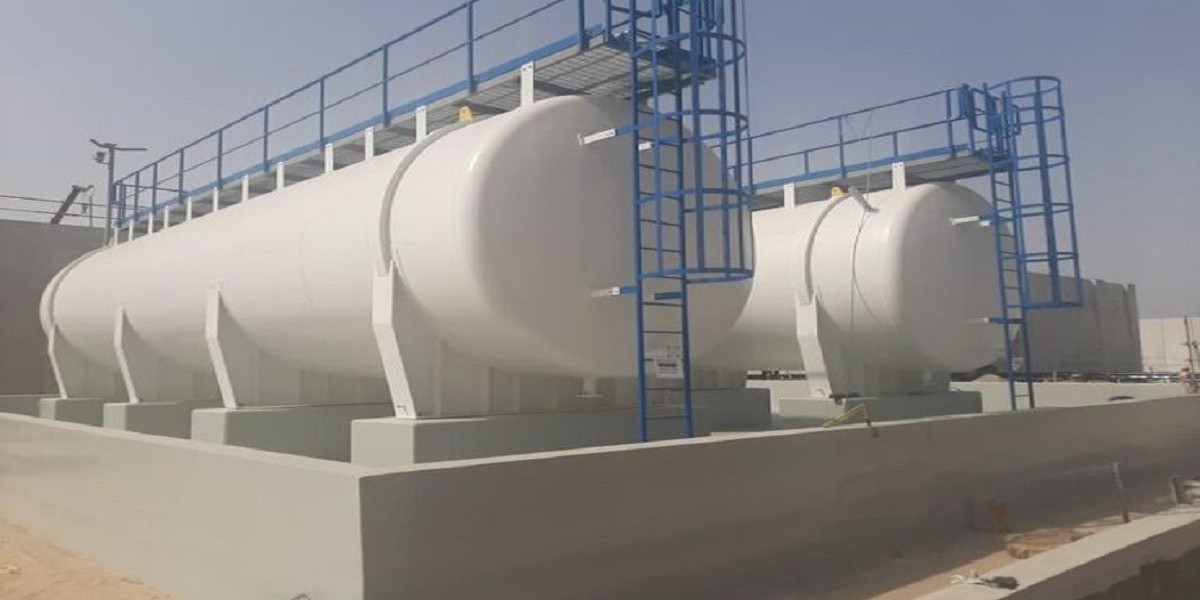
5. Industrial and Chemical Storage Tanks
For manufacturing units, oil and gas companies, and chemical processing plants, specialized tanks are engineered to hold corrosive or hazardous liquids safely. These are typically customized based on the chemical composition, temperature, and pressure requirements of the stored substance.
Best for: Factories, refineries, agri-chemical businesses.
Common Uses of Storage Tanks Across Pakistan
Liquid holding units aren't just for drinking water. Here's where they show up across different sectors:
Residential use – rooftop or ground-level water reserves for daily household needs
Agricultural use – irrigation water and pesticide/fertilizer solution storage
Industrial use – raw material holding, wastewater treatment, and chemical processing
Commercial use – hotels, hospitals, and shopping malls needing consistent water backup
Fire safety systems – emergency water reserves for fire suppression in commercial buildings
Buying Guide: What to Check Before Purchasing
Choosing the right reservoir isn't just about picking the biggest one you can afford. Here's what actually matters.
Capacity Planning
Estimate your daily water consumption before deciding on size. A family of five typically needs around 1,000 to 1,500 gallons of storage capacity for a couple of days' backup, while commercial properties should calculate based on occupancy and usage patterns.
Material Quality
Always check whether the tank is food-grade certified (especially for drinking water). Cheap, low-quality plastic can leach chemicals over time or crack under UV exposure — a common issue with unbranded tanks sold in local markets.
UV and Weather Resistance
Given Pakistan's intense summer heat, especially in Punjab and Sindh, your tank needs to withstand prolonged sun exposure without becoming brittle or discolored. Look for UV-stabilized layers in plastic and fiberglass options.
Installation and Space
Rooftop tanks need structural support calculations, especially for larger capacities. Underground reservoirs need proper waterproofing and periodic cleaning access. Always consult a professional before finalizing placement.
Warranty and After-Sales Support
A good warranty period (5–10 years for quality poly tanks) is a strong indicator of manufacturing confidence. Also check if the seller provides installation support, cleaning services, or replacement parts.
Key Insights and Practical Tips
Don't just go by price. A slightly more expensive fiberglass or multilayer tank often outlasts three cheap alternatives combined.
Clean your tank every 6 months to prevent algae buildup and bacterial contamination, particularly important during Pakistan's hot and humid months.
Insulated tanks reduce water heating in summer, which can matter for comfort and even energy costs if you're pumping hot water.
For industrial buyers, always request material compatibility charts before storing chemicals — the wrong tank material can corrode within months.
Work with experienced suppliers like Alpine Industrial Con who understand local climate conditions and can recommend tanks suited to your specific city and usage needs, rather than a one-size-fits-all product.
Whether you need a simple rooftop unit for your home or a heavy-duty industrial reservoir for chemical processing, investing in the right storage tank in Pakistan is about more than just filling a gap in your water supply — it's about long-term reliability, safety, and value for money.
FAQs
1. What is the average price of a water tank in Pakistan?
A standard 1,000-gallon plastic tank typically ranges from PKR 15,000 to 30,000, while fiberglass or steel options can cost significantly more depending on brand and specifications.
2. Which type of tank is best for drinking water storage?
Food-grade HDPE plastic tanks or fiberglass tanks are generally the safest and most popular choices for storing drinking water, as they resist bacterial growth and don't leach harmful chemicals.
3. How often should I clean my water reservoir?
It's recommended to clean your tank every 3 to 6 months, especially during summer, to prevent algae growth, sediment buildup, and contamination.
4. Can storage tanks be customized for industrial chemicals?
Yes, industrial tanks can be custom-engineered based on the chemical's properties, required pressure resistance, and temperature tolerance to ensure safe, long-term storage.
5. How do I choose the right tank size for my home?
Estimate your household's daily water usage and multiply it by the number of backup days you want covered. For most families, a 1,000 to 1,500 gallon tank offers adequate coverage for 2–3 days without refilling.