
Good quality knitwear comes down to a handful of checkable markers, fiber composition, construction at stress points, and consistent material philosophy across a brand's output, rather than reputation alone. Here's exactly what to look for, using the well-documented Raf Simons archive as a concrete example.
Why "Good Brands" Is Less Useful Than "Good Markers"
There are genuinely many quality-focused knitwear labels out there, spanning different countries, price points, and material philosophies. Rather than chase a list of names, which inevitably leaves out strong options and dates quickly, it's more useful to understand the specific, checkable markers that separate genuinely good knitwear from anything else, then apply those markers to whatever you're actually considering. Once you know what to look for, you can evaluate a brand's knitwear yourself instead of relying on reputation alone.
Fiber Composition Is Where Quality Actually Starts
This is the single most important, most checkable detail. Good quality knitwear lists its fiber composition clearly and specifically, not vague terms like "wool blend" with no further breakdown. A well-documented example: scarves from Raf Simons' archive consistently list compositions around 67% mohair, 28% nylon, and 5% wool, a specific ratio rather than a rounded, generic description. That level of specificity matters because it tells you exactly what you're getting, mohair's characteristic texture and sheen, nylon's added structural durability, and a small percentage of wool rounding out the blend's warmth and stability.
Understanding What Mohair Specifically Adds
Since mohair shows up as a genuine quality marker in this example, it's worth understanding what it actually does. Sourced from Angora goat hair, mohair brings a distinctive halo-like texture and natural sheen that standard wool doesn't replicate on its own. It's warmer than many alternatives relative to its weight, but pure mohair can lack structural stability in a finished garment, which is exactly why it's typically blended rather than used alone. Recognizing this kind of thoughtful blending, rather than a single "premium" fiber name dropped into a description without explanation, is a real signal of considered material choices.
Consistency Across a Brand's Output Signals Genuine Philosophy
A single good piece doesn't prove quality across a whole brand, consistency does. Mohair blends show up throughout Raf Simons' archive across multiple decades, from the Fall/Winter 1998 "Radioactivity" collection through later releases, and that same material sensibility eventually extended into a separate textile collaboration bringing mohair into home goods entirely outside clothing. That kind of sustained, cross-category commitment to a specific material is a stronger quality signal than any single standout sweater, since it suggests genuine material philosophy rather than one lucky seasonal choice.
How This Same Thinking Shows Up in a Raf Simons Hoodie
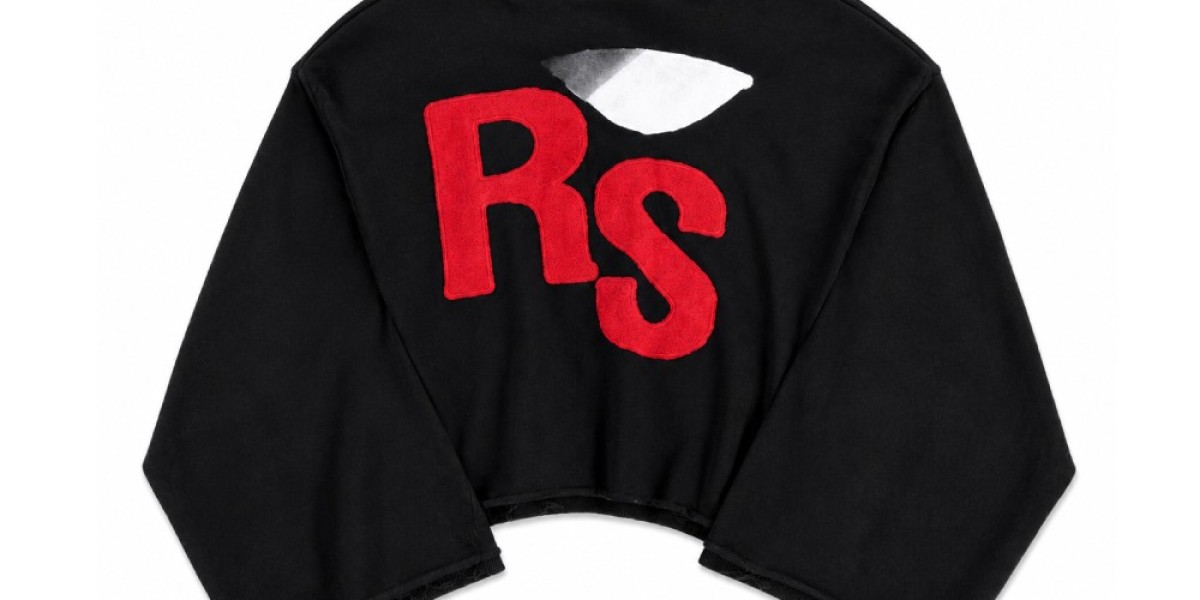
Quality markers aren't limited to knitwear specifically, the same underlying principles apply across garment categories. A raf simons hoodie depends on fabric weight and construction chosen deliberately to support its proportion, the same material-first thinking behind the specific mohair ratios used in knitwear. Whether you're evaluating a sweater or a hoodie, checking for this kind of deliberate, documented material reasoning, rather than vague marketing language, tells you far more about actual quality.
Applying the Same Standard to a Raf Simons T-Shirt
Even at the lighter end of the spectrum, the same evaluation approach holds up. A raf simons t-shirt uses cotton selected specifically for hand-feel and durability, following the same material-first logic just applied to a different fiber entirely. Checking for this consistency, deliberate material choice reflected across a brand's entire range rather than concentrated in one flagship product, is exactly the kind of due diligence that separates genuine quality from marketing.
A Practical Checklist for Evaluating Any Knitwear
Apply these steps to whatever specific piece or brand you're actually considering:
Check for specific fiber percentages, not vague blend descriptions with no numbers attached.
Research whether the material choice is consistent across multiple pieces and seasons, not a one-off.
Inspect construction at cuffs, collar, and hem, since these areas reveal quality faster than the main body of a garment.
Look for documented reasoning behind material choices, rather than accepting "premium" as a description with no substance behind it.
FAQ
1. What's the most important single thing to check in knitwear quality?
Fiber composition, listed with specific percentages rather than vague terms. This single detail tells you more about actual material quality than brand reputation or marketing language alone.
2. Does mohair automatically mean better quality?
Not alone. Mohair adds distinctive texture and warmth, but it needs to be blended thoughtfully, typically with wool and a small amount of nylon, for structural stability in a finished garment.
3. How can I tell if a brand's material choices are genuine, not just marketing?
Check for consistency across multiple pieces and seasons, not just one flagship product. A material used repeatedly over years signals genuine philosophy rather than a single seasonal gimmick.
4. Do these quality markers apply beyond knitwear specifically?
Yes. The same material-first evaluation approach applies to hoodies, tees, and other garment categories, where fabric weight and fiber choice should reflect deliberate reasoning rather than vague description.
5. Where should I start if I'm evaluating knitwear for the first time?
Start with fiber composition percentages and construction at stress points like cuffs and collar. These two checks reveal more about real quality than any brand name or marketing claim alone.
Final Thoughts and Where to Go Next
Good quality knitwear isn't about chasing a list of approved brand names, it's about knowing which specific markers to check yourself: fiber composition, construction, and consistency across a brand's full range. Raf Simons' documented mohair work illustrates exactly what that looks like in practice. [Check our guide on what makes this specific archive's knitwear genuinely distinctive] for a deeper look at this material story.