
Introduction
Managing medicines every day can become difficult when a person has several medications, different schedules, or a busy lifestyle. It can be easy to forget whether a scheduled medicine has already been organized or whether a reminder has been noticed. A pill box can provide a simple physical way to organize medicines according to a planned schedule.
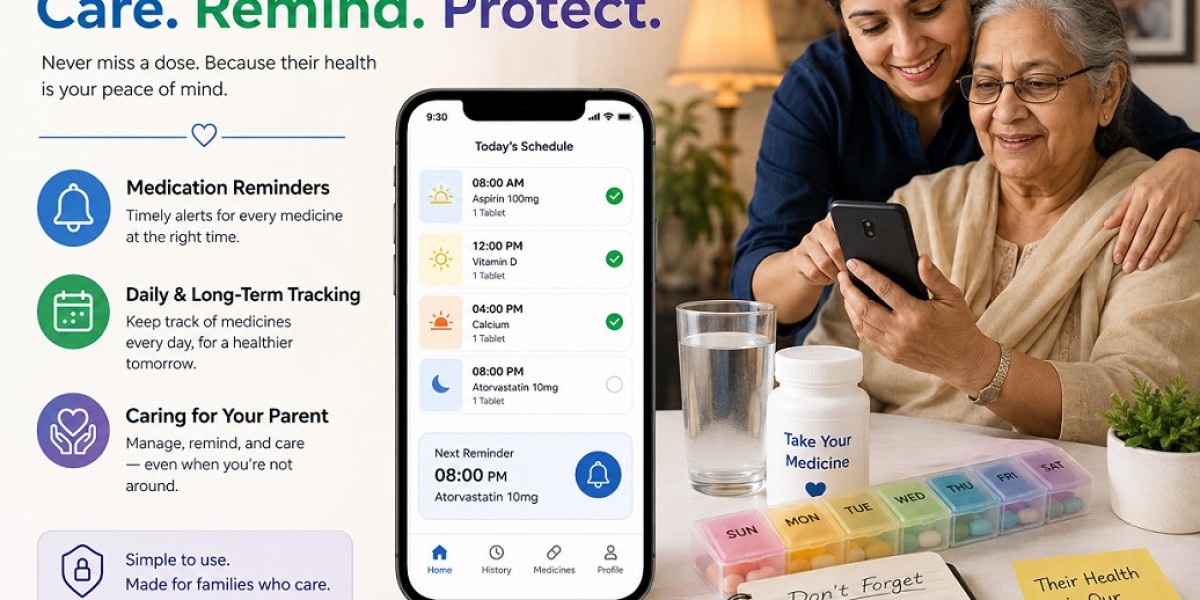
A pill box can be especially useful when it is used together with a clear medication schedule and digital reminders. For example, a person may use a physical organizer to arrange medicines while using Pill Reminder to receive alerts at scheduled times.
The goal is not to change a person's medication plan. Instead, these tools can help make an existing plan easier to organize and follow.
What Is a Pill Box?
A pill box is a container with separate compartments designed to help organize medicines.
Depending on the design, compartments may be divided by:
- Days of the week
- Morning and evening
- Different times of the day
- Individual medication schedules
Some organizers are small and designed for travel, while others have larger compartments for longer periods.
The exact design that works best depends on the user's needs. Not every medication is suitable for storage in a pill organizer, so users should check the medicine label or ask a pharmacist before transferring medicines from their original packaging.
7 Benefits of Using a Pill Box
1. Helps Create a More Organized Medication Routine
A consistent medication routine can make daily medicine management easier to understand.
When medicines are organized in advance, users may be able to see what has been prepared for a particular day or time. This can reduce the need to repeatedly sort through different medicine containers.
A simple routine may involve:
- Reviewing the medication instructions
- Organizing suitable medicines as directed
- Checking the schedule
- Setting digital reminders
- Reviewing the organizer regularly
The pill box should follow the medication schedule provided by a healthcare professional rather than determine the schedule itself.
2. Makes Daily Medication Easier to Organize
Multiple medicine containers can sometimes make a daily routine feel complicated. A compartment-based organizer provides a single place for medicines that are suitable for that type of storage.
This can make it easier to understand which medicines have been prepared for a particular day or period.
A well-organized system can be especially helpful for people who:
- Take multiple medicines
- Have recurring medication schedules
- Prefer visual organization
- Have busy daily routines
- Want to prepare suitable medicines in advance
Always verify that each medicine can safely be stored in an organizer before transferring it.
3. Works Well With Digital Medication Reminders
A physical organizer and a smartphone reminder can serve different purposes.
A pill organizer provides a visual way to arrange suitable medicines, while a medication reminder app can provide a notification when a scheduled time arrives.
Some reminder applications offer Full-screen medication alarms that make scheduled alerts more noticeable.
Together, these tools can create a simple organizational system:
- Follow the professional medication instructions.
- Organize suitable medicines if appropriate.
- Set the corresponding reminder.
- Check the alert when it appears.
- Follow the medication instructions.
A digital reminder does not confirm that a medicine has been taken, and a pill box does not replace professional medical guidance.
4. Supports Long-Term Daily Medication Organization
People managing Long-term daily medication may have recurring schedules that continue for weeks, months, or longer.
A pill box can provide a physical organizational aid for medicines that are appropriate for this type of storage. It can make recurring schedules easier to visualize.
For example, a user may organize suitable medicines by:
- Day
- Morning
- Afternoon
- Evening
- Other scheduled periods
However, storage requirements can differ between medicines. Some medications may need their original packaging, protection from light or moisture, refrigeration, or other specific conditions.
When in doubt, ask a pharmacist before using a pill organizer.
5. Can Help When Caring for a Parent
Medication organization can become one part of Caring for a parent. Family members may help organize daily routines, especially when several scheduled medicines are involved.
A pill box can provide a simple visual organization system when it is appropriate for the medicines being used.
Caregivers may use an organizational approach that includes:
- Reviewing the medication schedule
- Checking suitable medicines
- Setting reminder alerts
- Keeping medication information organized
- Reviewing the routine regularly
Caregivers should not change medication doses, stop medicines, or create new schedules without appropriate professional instructions.
6. Can Reduce Everyday Confusion
When several medicine bottles are stored together, it may sometimes be difficult to remember which medicine belongs to which scheduled time.
A clearly labeled organizer can provide a simple visual structure.
This may help users distinguish between planned medication periods and reduce the need to handle multiple containers throughout the day.
However, users should still check medication labels and professional instructions carefully. A pill box should never be used as the only source of information about a medicine.
7. Can Complement a Complete Reminder System
Medication management can involve more than one organizational tool.
A useful system may combine:
- Medication instructions
- A suitable pill organizer
- Smartphone reminders
- Reminder history
- A written medication list
- Support from family or caregivers
Pill Reminder can provide the digital reminder component by helping users organize scheduled alerts.
This combination can provide both a physical and digital way to stay aware of planned medication times.
Important Features to Consider
Pill boxes come in many different designs. Consider the following features before choosing one:
| Feature | Potential Benefit |
|---|---|
| Daily compartments | Helps organize medicines by day |
| Multiple daily sections | Useful for different scheduled times |
| Clear labels | Makes compartments easier to identify |
| Secure closure | Helps keep compartments closed |
| Portable design | Convenient for travel |
| Large compartments | May suit medicines that require more space |
| Easy-to-open design | Useful for people who have difficulty with small closures |
The best design depends on the user's needs, medicine requirements, and ability to handle the organizer safely.
How to Use a Pill Box Safely
Using a pill organizer requires more than simply placing medicines into compartments.
Step 1: Review the Medication Instructions
Check the medicine labels and instructions provided by your doctor or pharmacist.
Step 2: Check Storage Requirements
Confirm that each medicine can safely be removed from its original packaging and stored in the organizer.
Step 3: Organize Carefully
Place only suitable medicines into the correct compartments.
Step 4: Add Digital Reminders
Use Pill Reminder or another suitable reminder system to create alerts based on the prescribed schedule.
Step 5: Review Regularly
Check the organizer and medication information regularly, especially when instructions change.
Step 6: Ask a Pharmacist When Unsure
If you are unsure whether a medicine can be stored in a pill organizer, ask a pharmacist before transferring it.
How Pill Reminder Can Support a Pill Box
A physical pill organizer and Pill Reminder can work as complementary organizational tools.
The pill box can provide a visual way to arrange suitable medicines, while Pill Reminder can provide scheduled alerts.
Pill Reminder can help users:
- Set medication reminders
- Organize recurring alerts
- Receive noticeable notifications
- Maintain a structured medication routine
- Review reminder activity
The app should be used as a reminder tool rather than a source of medication instructions.
Medication Organization Safety Tips
Keep these points in mind when using a pill organizer:
- Follow your prescription and professional instructions.
- Check whether each medicine is suitable for pill-box storage.
- Do not remove medicines from original packaging unless appropriate.
- Keep medicines away from children and pets.
- Follow special storage instructions such as temperature or light protection.
- Do not change doses because of a reminder.
- Do not stop prescribed medication without professional guidance.
- If medication instructions change, update your organizational system.
- Ask a pharmacist if you are unsure about storage.
If a dose is missed, follow the instructions for that specific medicine or contact a healthcare professional rather than guessing.
Frequently Asked Questions
What is a pill box?
A pill box is a compartment-based container used to organize medicines according to a planned schedule. Its design may divide medicines by day or time.
Can a pill box help with a medication routine?
Yes. A suitable organizer can provide a visual way to arrange medicines and support an organized medication routine.
Can a pill box be used with Full-screen medication alarms?
Yes. A physical organizer can be combined with digital alerts. Full-screen medication alarms may make scheduled reminders easier to notice, depending on the app and device.
Is a pill box suitable for long-term daily medication?
It can be useful for organizing some medicines used as part of long-term daily medication routines. However, not every medicine is suitable for storage outside its original packaging.
Can a pill box help when caring for a parent?
Yes. It can provide an organizational aid for caregivers who help manage suitable medicines and daily schedules. It should not replace medical supervision.
Should every medicine be placed in a pill box?
No. Some medicines have specific storage requirements or should remain in their original packaging. Ask a pharmacist if you are unsure.
Can a pill box tell me whether I took my medicine?
No. A pill box provides physical organization but cannot independently confirm that a medicine was taken.
What should I do if I am unsure about storing a medicine in a pill box?
Check the medication label or ask a pharmacist. Storage requirements can vary between medicines.
Conclusion
A pill organizer can provide a simple physical way to organize suitable medicines and support a more structured daily routine. It may be particularly useful for people managing several scheduled medicines or helping a family member organize medication.
When combined with digital tools, such as Pill Reminder, a physical organizer can become part of a broader medication management system. Features such as Full-screen medication alarms can provide noticeable alerts, while a pill box provides a visual organization method.