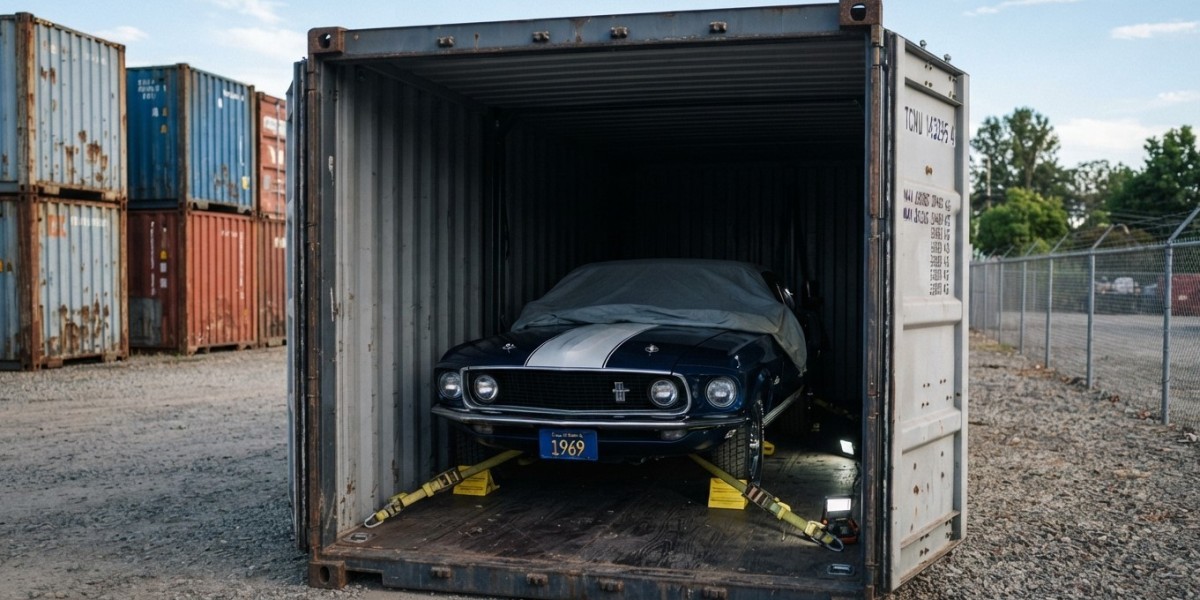

If you need secure space for a car, truck, motorcycle, or other vehicle, you may wonder whether a shipping container can be used for vehicle storage. Yes, a shipping container can be used to store certain vehicles, provided you choose an appropriate container, prepare the site properly, and consider ventilation, access, dimensions, and local requirements.
Shipping containers offer a strong, enclosed storage environment that can help protect a vehicle from outdoor exposure. However, not every container or property is suitable for vehicle storage.
If you're researching shipping container for sale near me, this guide explains what to consider before putting a vehicle inside one.
Table of Contents
- Can You Store a Vehicle in a Shipping Container?
- What Vehicles Can Be Stored in a Container?
- What Size Container Do You Need?
- Benefits of Using a Shipping Container for Vehicle Storage
- How to Prepare a Container for a Vehicle
- Important Safety and Ventilation Considerations
- How to Choose the Right Container
- Delivery and Site Preparation
- FAQs
- Store Your Vehicle With Conex Hub
Can You Store a Vehicle in a Shipping Container?
A shipping container can provide enclosed space for vehicle storage, but the container needs to be large enough for the vehicle and accessible enough for loading and unloading.
The most important factors include:
- Vehicle length and width
- Container interior dimensions
- Door opening size
- Available maneuvering space
- Ventilation
- Ground conditions
- Container condition
- Local rules and restrictions
A 20ft container may be suitable for some smaller vehicles, while larger vehicles may require a 40ft container. Conex Hub offers common 20ft and 40ft containers, along with 40ft high cube options.
Before purchasing, measure your vehicle and compare those measurements with the actual usable interior space and door opening of the specific container.
What Vehicles Can Be Stored in a Container?
The type and size of vehicle will determine whether a container is practical.
Cars
Some passenger cars can fit inside a 20ft container, depending on the vehicle's dimensions and the container's door opening. Measure carefully before ordering.
Motorcycles
Motorcycles generally require less space than cars, making containers useful for motorcycle storage. You may also have room for helmets, tools, spare parts, and other equipment.
ATVs and Small Utility Vehicles
ATVs, golf carts, and similar small vehicles may also be candidates for container storage if their dimensions are compatible with the container.
Larger Vehicles and Equipment
Trucks, tractors, construction equipment, and other large machinery may require a 40ft container or a specialized configuration. Conex Hub also offers specialized container solutions and configurations for different loading requirements.
What Size Container Do You Need?
Choosing the correct size is one of the most important decisions.
20ft Shipping Container
A 20ft container can provide a relatively compact enclosed storage area. Conex Hub describes 20ft containers as secure, weatherproof, and suitable for storage, shipping, and modification projects.
For vehicle storage, don't assume that a vehicle will fit simply because its overall length is less than 20 feet. You also need to account for the container's interior dimensions, door opening, mirrors, and the space required to enter and exit the vehicle.
40ft Shipping Container
A 40ft container provides substantially more storage capacity than a 20ft container and may be more appropriate for larger vehicles or when you want additional space for equipment and belongings.
High Cube Containers
A 40ft high cube adds approximately one foot of interior height compared with a standard-height container. While extra height does not necessarily solve length or width limitations, it can be useful for taller equipment and certain storage setups.
Benefits of Using a Shipping Container for Vehicle Storage
Protection From Outdoor Exposure
An enclosed container can provide a barrier against rain, snow, sun, wind, and other outdoor elements when the container is maintained in suitable condition.
Conex Hub describes its used containers as wind and watertight and suitable for storage and projects.
Added Security
A steel container with a properly secured door can provide an additional physical barrier around a stored vehicle.
For better security, consider the container's locking system, the location of the container, lighting, fencing, cameras, and other appropriate security measures.
Additional Storage
A container can provide more than vehicle space. Depending on its size and layout, you may also be able to store tools, tires, spare parts, maintenance equipment, or other belongings.
Flexible Storage Solution
Containers can be useful for temporary or longer-term storage needs. Conex Hub offers both sales and rental options, including 20ft and 40ft storage containers.
How to Prepare a Container for a Vehicle
Before placing a vehicle inside, prepare both the container and the vehicle.
Inspect the Container
Check the roof, walls, doors, seals, floor, and corners for damage or signs of water intrusion.
For long-term storage, choosing a suitable condition grade is particularly important.
Clean the Interior
Remove dirt, debris, standing water, and anything else that could interfere with vehicle storage.
Prepare the Vehicle
Depending on the storage period, you may want to clean the vehicle, check fluid levels, maintain the battery according to the manufacturer's recommendations, and protect the tires as appropriate.
Follow the vehicle manufacturer's instructions for long-term storage.
Leave Enough Access
Do not pack items tightly around the vehicle. Leave enough space to safely access the vehicle and inspect the container.
Important Safety and Ventilation Considerations
A closed metal container is not automatically the same as a climate-controlled garage.
Ventilation
Temperature changes can contribute to condensation inside a container. Appropriate ventilation can help manage moisture, particularly in humid climates.
Moisture Control
Consider moisture-control products where appropriate, especially if the vehicle will remain inside for an extended period.
Fuel and Hazardous Materials
Follow applicable fire-safety rules and manufacturer guidance concerning fuel, batteries, chemicals, and other potentially hazardous materials. Do not use a container as a substitute for properly designed hazardous-material storage.
Vehicle Operation
A container should be treated as a storage space, not as a running or enclosed work area. Avoid running a vehicle's engine inside a closed container because exhaust gases can create a serious safety hazard.
How to Choose the Right Container
When comparing storage containers for sale, consider more than price.
| Factor | What to Check |
|---|---|
| Container size | Confirm vehicle length, width, and height |
| Door opening | Make sure the vehicle can enter safely |
| Condition | Check roof, floor, walls, doors, and seals |
| Ventilation | Consider condensation and humidity |
| Security | Evaluate locks and container placement |
| Ground | Use firm, dry, level ground |
| Access | Ensure delivery and vehicle access are practical |
| Local rules | Check permits or placement requirements |
If you're searching for a shipping container for sale near me, give the supplier your vehicle dimensions and delivery location. This can help determine which available container configurations are practical for your needs.
Delivery and Site Preparation
The container needs to reach the location before you can store your vehicle inside it.
Conex Hub says its containers are delivered by tilt-bed truck and require clear, level access. Its current delivery guidance recommends approximately 60 feet of straight-line clearance for a 20ft unit and 100 feet or more for longer containers, depending on the delivery method. The delivery path should also be free of low branches, overhead wires, and tight turns.
The placement area should be firm, dry, and level. Pavement, gravel, and hard-packed dirt can be suitable, while soft soil, mud, or sand can cause settling and delivery complications.
Check local building, zoning, permit, and HOA requirements before delivery because requirements vary by location.
FAQs
Can a car fit inside a 20ft shipping container?
Some cars can fit inside a 20ft container, but it depends on the vehicle's dimensions and the container's actual interior and door-opening dimensions. Measure both before ordering.
Can I store a truck in a shipping container?
Some trucks may fit in a 40ft container or another suitable configuration, but larger vehicles require careful measurement. Ask the supplier to verify compatibility before purchasing.
Are shipping containers good for long-term vehicle storage?
They can be, provided the container is in suitable condition and the vehicle is properly prepared. Ventilation, moisture management, security, and regular inspection are important considerations.
Can I store a motorcycle in a shipping container?
Yes. Motorcycles generally require less space than cars and can be suitable for enclosed container storage, provided the container has appropriate access and conditions.
What is the best container size for vehicle storage?
It depends on the vehicle. A 20ft container may work for some smaller vehicles, while a 40ft container provides considerably more space for larger vehicles or additional equipment.
Can I work on my vehicle inside a shipping container?
A container may be modified for certain purposes, but it should not be treated as a workshop without considering ventilation, electrical systems, fire safety, lighting, and applicable regulations. Never run an engine inside a closed container.
Store Your Vehicle With Conex Hub
A shipping container can be a practical option for storing a vehicle when the container size, condition, access, ventilation, and site are appropriate. The key is to measure your vehicle carefully and plan the storage environment before ordering.
If you're comparing shipping containers for sale, storage containers for sale, or searching for a shipping container for sale near me, Conex Hub offers new and used containers in multiple sizes and configurations, including 20ft, 40ft, and high cube options.
Before making a purchase, provide your vehicle's dimensions, explain how long you plan to store it, and discuss your delivery location with the supplier. That extra planning can help you choose a container that works for both your vehicle and your property.