
Choosing a weight loss procedure is an important decision for people who are struggling with obesity and related health concerns. Two procedures that have been used for surgical weight management are sleeve gastrectomy and gastric band surgery. Although both can help reduce food intake and support weight loss, they work in different ways and have different considerations regarding effectiveness, recovery, follow up and long term management.
For people researching Sleeve gastrectomy in Islamabad, understanding how it compares with gastric band surgery can make the treatment options easier to discuss with a qualified bariatric surgeon. The right procedure depends on factors such as body mass index BMI, existing medical conditions, previous weight loss attempts, eating patterns, surgical history and individual health goals.
What Is Sleeve Gastrectomy
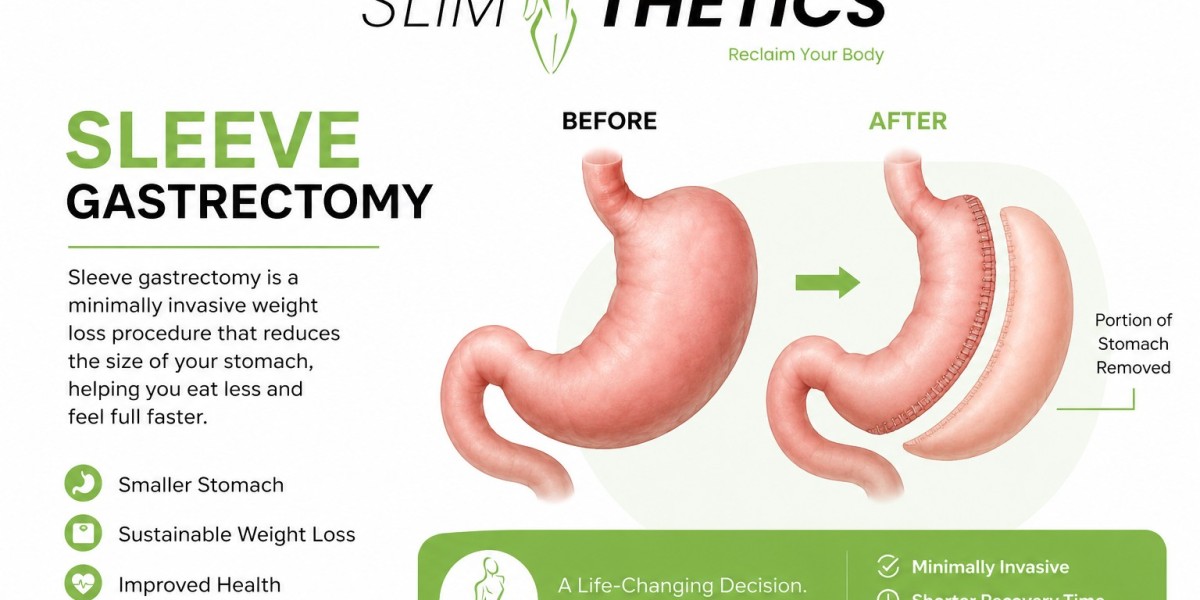
Sleeve gastrectomy is a bariatric surgery that reduces the size of the stomach. During the procedure, a large portion of the stomach is removed, leaving a narrow stomach shaped somewhat like a sleeve or tube.
How Sleeve Gastrectomy Works
The procedure supports weight loss through several mechanisms:
A smaller stomach limits the amount of food that can be consumed at one time.
Patients generally feel full after eating smaller portions.
Removing much of the stomach can affect hormones involved in hunger and appetite.
The procedure does not require placing an adjustable device around the stomach.
Weight loss is supported by long term changes in portion size and eating habits.
Because the stomach itself is surgically reduced, sleeve gastrectomy is considered a permanent procedure. Patients therefore need to understand the lifestyle changes required before deciding on surgery.
What Is Gastric Band Surgery
Gastric band surgery, also called adjustable gastric banding, involves placing an adjustable band around the upper portion of the stomach. The band creates a small pouch that can restrict the amount of food passing into the rest of the stomach.
How Gastric Band Surgery Works
Gastric banding works mainly through restriction:
The small upper stomach pouch can create an earlier feeling of fullness.
The band can be adjusted to change the level of restriction.
Unlike sleeve gastrectomy, most of the stomach remains inside the body.
The band can be removed if medically necessary.
Successful results depend heavily on dietary habits, follow up and appropriate band adjustments.
The adjustable nature of gastric banding can be appealing to some patients, but it also means that ongoing medical follow up may be required.
Sleeve Gastrectomy Versus Gastric Band Surgery
Although both procedures are designed to support weight loss, they differ significantly in how they are performed and how patients manage life after surgery.
Surgical Approach
Sleeve gastrectomy involves removing part of the stomach, while gastric band surgery involves placing a device around the upper stomach.
Sleeve gastrectomy permanently changes the size and shape of the stomach.
Gastric band surgery does not remove stomach tissue.
Gastric banding uses an implanted adjustable device.
Sleeve gastrectomy does not require an implanted band or adjustment port.
These differences can influence recovery, follow up and long term treatment planning.
Weight Loss Expectations
Weight loss can vary considerably between individuals. Research has generally found that sleeve gastrectomy produces greater and more durable weight loss than adjustable gastric banding in many patient populations, although individual outcomes differ.
Important factors include:
Starting weight and BMI
Age and general health
Dietary habits
Physical activity
Adherence to postoperative recommendations
Follow up with the medical team
Presence of metabolic conditions
Patients should discuss expected outcomes based on their own medical profile rather than relying only on average results.
Difference in Recovery
Recovery depends on the individual's health, surgical technique and whether complications occur.
Recovery After Sleeve Gastrectomy
Patients typically progress gradually from liquids to soft foods and eventually to regular textures following their bariatric team's dietary protocol.
Early meals are usually very small.
Hydration is an important part of recovery.
Protein intake becomes an important nutritional priority.
Strenuous physical activity is restricted initially.
Regular follow up helps monitor recovery and nutrition.
Recovery After Gastric Band Surgery
Gastric band surgery may have a relatively straightforward initial recovery because the stomach is not cut or removed.
However, long term management can include:
Regular clinical assessments
Band adjustments when required
Dietary modifications
Monitoring for swallowing difficulties or reflux
Evaluation of band position and function when symptoms occur
The shorter initial recovery associated with a particular procedure does not necessarily mean that it will provide the same long term weight loss results.
Difference in Long Term Management
Long term commitment is important after either bariatric procedure.
After Sleeve Gastrectomy
Patients need to establish sustainable habits around:
Portion control
Protein intake
Hydration
Physical activity
Vitamin and mineral supplementation when prescribed
Regular medical follow up
The reduced stomach size can support portion control, but surgery does not replace healthy lifestyle habits.
After Gastric Band Surgery
Gastric band patients may require ongoing adjustments and monitoring.
Band restriction can be modified by a healthcare professional.
Follow up appointments help assess tolerance and weight loss.
Dietary behaviors remain important.
Symptoms such as persistent vomiting, difficulty swallowing or severe reflux require medical evaluation.
The need for ongoing band management is an important distinction when comparing the two procedures.
Risks and Potential Complications
Every surgical procedure has potential risks. Bariatric surgery should therefore be considered after an appropriate medical assessment.
Potential Risks of Sleeve Gastrectomy
Possible complications can include:
Bleeding
Infection
Leakage from the staple line
Blood clots
Acid reflux or worsening reflux in some patients
Nutritional deficiencies
Long term weight regain
The risk level varies depending on the patient's health, surgical technique and postoperative care.
Potential Risks of Gastric Band Surgery
Gastric banding can have device related complications in addition to general surgical risks.
Potential issues may include:
Band slippage
Band erosion
Difficulty swallowing
Reflux
Esophageal enlargement
Port or tubing problems
Need for band removal or revision
Patients should receive clear information about these possibilities before choosing a procedure.
Which Procedure Provides Better Appetite Control
Sleeve gastrectomy can influence appetite because the surgery removes a substantial portion of the stomach and can alter levels of hormones associated with hunger.
Gastric banding primarily works by creating restriction and promoting earlier fullness.
Key Differences in Appetite Management
Sleeve gastrectomy combines stomach reduction with hormonal effects.
Gastric banding primarily creates mechanical restriction.
Individual appetite responses vary.
Eating behavior remains important after both procedures.
Patients who experience emotional eating, frequent snacking or difficulty controlling food intake may benefit from discussing these factors with a bariatric specialist before surgery.
Who May Consider Sleeve Gastrectomy
Sleeve gastrectomy may be considered for adults with obesity who meet established medical criteria for bariatric surgery.
A specialist may assess:
BMI
Obesity related health conditions
Previous weight loss attempts
Nutritional status
Surgical history
Psychological readiness
Ability to follow long term lifestyle recommendations
Eligibility should always be determined through an individual medical assessment rather than based solely on a particular BMI number found online.
Who May Consider Gastric Band Surgery
Adjustable gastric banding may be considered in selected patients, although its use has declined in many settings because other bariatric procedures have often demonstrated greater weight loss and fewer long term reoperations.
A bariatric surgeon may evaluate:
Current BMI
Medical history
Previous abdominal operations
Eating behaviors
Personal preferences
Ability to attend regular follow up
Understanding of potential device related complications
A detailed consultation is essential before making a decision.
Sleeve Gastrectomy in Islamabad
Patients exploring sleeve gastrectomy in Islamabad should look beyond the procedure itself and evaluate the complete treatment pathway. Bariatric surgery involves preparation, surgical care, nutritional guidance, recovery monitoring and long term follow up.
Questions to Ask Your Bariatric Surgeon
Before proceeding, patients can ask:
Am I medically suitable for sleeve gastrectomy?
What weight loss range might be realistic for me?
What complications should I understand?
How long is the expected recovery?
What diet will I follow after surgery?
Will I need vitamins or supplements?
How frequently will I need follow up?
What happens if I experience significant weight regain?
How does sleeve surgery compare with other procedures for my situation?
These questions can help patients have a more informed conversation with their surgical team.
Making an Informed Choice
There is no single bariatric procedure that is appropriate for every patient. Sleeve gastrectomy and gastric band surgery have different mechanisms, advantages, limitations and long term considerations.
Important Factors to Compare
Sleeve gastrectomy permanently reduces stomach size.
Gastric banding uses an adjustable implanted device.
Sleeve surgery generally produces greater weight loss than gastric banding in many studies.
Gastric banding may require repeated adjustments and device monitoring.
Both procedures require long term lifestyle changes.
Both procedures have potential risks and complications.
Individual medical circumstances should guide the final treatment decision.
A qualified bariatric surgeon can explain how these differences apply to your health, weight loss goals and medical history.
Life After Bariatric Surgery
Bariatric surgery is the beginning of a long term weight management process rather than the end of one. Patients typically need to develop new eating patterns and maintain regular physical activity.
Healthy Habits After Surgery
Eat slowly and follow recommended portion sizes.
Prioritize protein according to your nutrition plan.
Drink enough fluids between meals.
Take prescribed supplements consistently.
Attend scheduled follow up appointments.
Maintain regular physical activity as medically advised.
Contact your healthcare provider when concerning symptoms develop.
Consistent follow up can help identify nutritional problems, weight changes and other issues early.
Final Thoughts
Sleeve gastrectomy and gastric band surgery both aim to support weight management, but they achieve this through different approaches. Sleeve gastrectomy permanently reduces stomach capacity and may influence appetite hormones, while gastric band surgery creates adjustable restriction using an implanted device. Differences in expected weight loss, follow up requirements, complications and long term management should be carefully considered.
For individuals considering sleeve gastrectomy in Islamabad, a personalized consultation with an experienced bariatric team can provide a clearer understanding of eligibility, expected outcomes, risks and recovery. At Slimthetics Clinic, patients can discuss their weight management goals with a specialized team and receive guidance throughout the bariatric treatment journey, from initial assessment and procedure planning to postoperative nutrition and long term follow up. The focus is on providing structured, patient centered care so that each treatment plan is based on individual needs rather than a one size fits all approach.