
Kemono fursuits have become a distinctive and recognizable style within the furry community. Known for their expressive faces, large eyes, rounded shapes, and colorful designs, kemono fursuits are inspired by Japanese anthropomorphic art and character design. Whether you are new to the furry fandom, interested in costume design, or considering getting a kemono fursuit of your own, understanding the basics can help you appreciate what makes this style unique.
What Is a Kemono Fursuit?
A kemono fursuit is an anthropomorphic animal costume designed in a style influenced by Japanese “kemono” character art. The Japanese word kemono broadly means “beast” or “animal,” but within the furry community, the term commonly refers to a particular aesthetic rather than simply any animal costume.
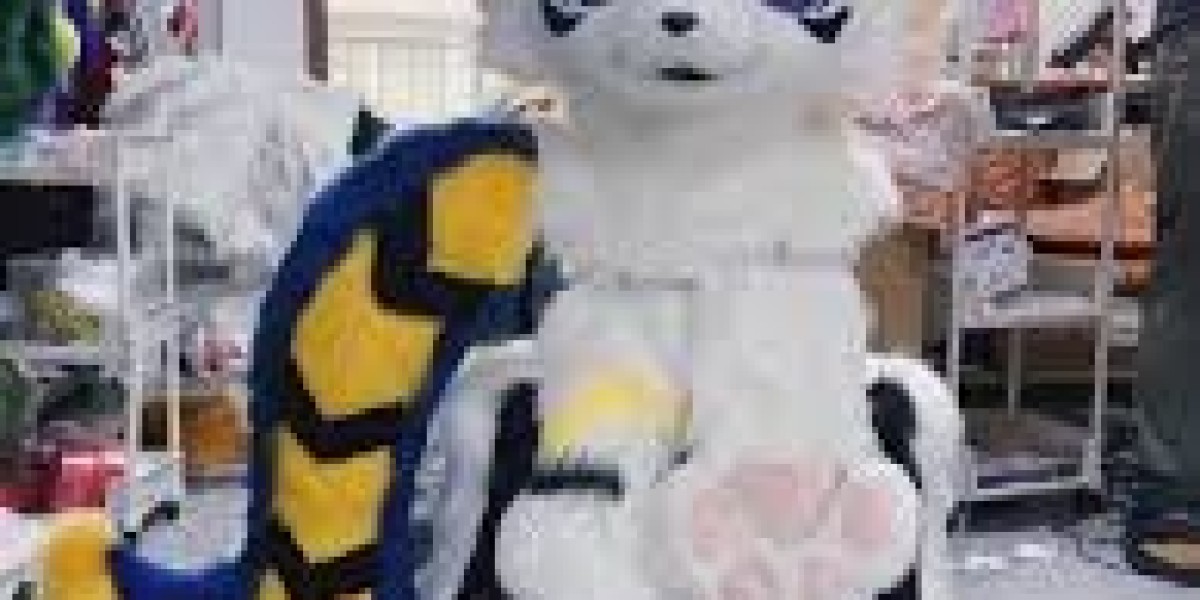
Kemono-style characters often have large, rounded heads, oversized eyes, small or simplified noses, and soft facial features. Their designs tend to emphasize cuteness and expressiveness. Compared with some Western-style fursuits, kemono designs frequently have a more stylized and compact appearance.
The style can be used for many different animal characters, including wolves, foxes, cats, dogs, rabbits, dragons, and fictional species.
Key Features of Kemono Fursuits
One of the easiest ways to recognize a kemono fursuit is its head design. The head is usually highly expressive and has a smooth, rounded appearance. Large eyes are particularly important because they give the character a friendly and animated expression.
Other common characteristics include:
Large, expressive eyes
Rounded facial shapes
Small or simplified muzzles
Soft, stylized ears
Compact and cute proportions
Bright or carefully coordinated colors
Clean, simplified markings
Fluffy tails and carefully shaped paws
However, there is no single universal formula for creating a kemono fursuit. Artists and makers can interpret the style in different ways, combining traditional kemono characteristics with their own artistic preferences.
How Are Kemono Fursuits Made?
Creating a fursuit involves several stages, and the exact process varies depending on the maker and design. A typical project begins with a character reference sheet. This shows the character's colors, markings, facial details, body shape, and other important features.
The head is generally built around a lightweight base. Common materials include foam, plastic components, and other lightweight materials suitable for costume construction. Once the basic shape is created, the maker adds the facial features, eyes, ears, and other details.
Faux fur is then cut into patterns and attached to the costume. Different fur lengths can be used to create texture and definition. Shorter fur may be used around the face, while longer fur can add volume to areas such as cheeks, tails, or the body.
A kemono fursuit may be either a partial or full suit. A partial typically includes the head, hands or paws, feet, and tail, while a full suit also includes a furry body covering.
Partial vs. Full Kemono Fursuits
Choosing between a partial and full fursuit depends on personal preference, budget, and intended use.
A partial fursuit can be easier to put on and may work well with ordinary clothing. It can also be more practical for conventions, casual photoshoots, or shorter events.
A full fursuit provides a more complete transformation into the character. It generally includes a full furry body and may incorporate additional features such as padded muscles, digitigrade legs, or specialized footwear.
Neither option is inherently better. The right choice depends on how you want to use the costume and what features are most important to you.
Designing Your Own Kemono Character
Many fursuit owners begin with a personal character, often called a fursona. Designing the character before commissioning a costume can make the entire process easier.
Start by deciding what species and personality you want your character to have. Next, choose a color palette and develop recognizable markings. Think about details such as eye color, ear shape, tail design, clothing, accessories, and patterns.
A clear reference sheet is especially useful when working with a fursuit maker. Front, side, and back views can help communicate the design accurately. Close-ups of complicated markings or facial details can also reduce misunderstandings.
Choosing a Kemono Fursuit Maker
If you decide to commission a kemono fursuit, research is an important first step. Different makers have different specialties, construction methods, styles, prices, and production schedules.
Look through a maker's previous work to determine whether their style matches the character you have in mind. Pay attention to head shapes, eye styles, fur quality, stitching, and overall finishing.
Before placing an order, make sure you understand what is included in the commission. Some makers offer only heads, while others provide partial or full suits. Additional features such as moving jaws, special eyes, padding, or accessories may cost extra.
Clear communication is also important. Discuss measurements, materials, colors, deadlines, payment arrangements, and shipping before committing to a project.
Cost of a Kemono Fursuit
The price of a kemono fursuit can vary significantly. Factors include the complexity of the character, materials, amount of fur, construction quality, maker experience, and additional features.
A simple head will generally cost less than a complete custom suit. Full suits require considerably more material and labor, while specialized features can increase the price further.
Because prices and availability differ among makers, it is useful to establish a realistic budget before beginning your search.
Caring for Your Fursuit
Proper maintenance can help a fursuit remain attractive and comfortable for longer. After wearing the suit, allow it to dry completely in a well-ventilated area, especially if you have been active or wearing it for an extended period.
Brushing the fur gently can help maintain its appearance. Follow the maker's cleaning instructions carefully because different materials may require different methods.
The head should also be stored in a way that protects its shape. Avoid leaving the costume in damp, extremely hot, or poorly ventilated environments.
Wearing a Kemono Fursuit Safely
Fursuiting can be physically demanding because the costume may retain heat and limit visibility or movement. Take regular breaks, drink water, and avoid wearing the suit for longer than you can comfortably tolerate.
Visibility is particularly important. If your vision is restricted, consider having a trusted handler accompany you at crowded events. A handler can help you navigate busy spaces, identify obstacles, and communicate with people when necessary.
Comfort should always be a priority. Proper ventilation, suitable clothing underneath the suit, and appropriate footwear can make a significant difference during longer events.
Final Thoughts
Kemono fursuits combine character design, craftsmanship, performance, and creativity into one distinctive form of wearable art. Their expressive faces, rounded proportions, and colorful designs have made them especially popular among people who enjoy Japanese-inspired furry aesthetics.
Whether you want to create your own character, commission a custom costume, or simply learn more about the style, understanding the basics of kemono fursuits is a great place to start. With thoughtful design, proper care, and attention to comfort and safety, a kemono fursuit can become a memorable way to bring an original character to life.