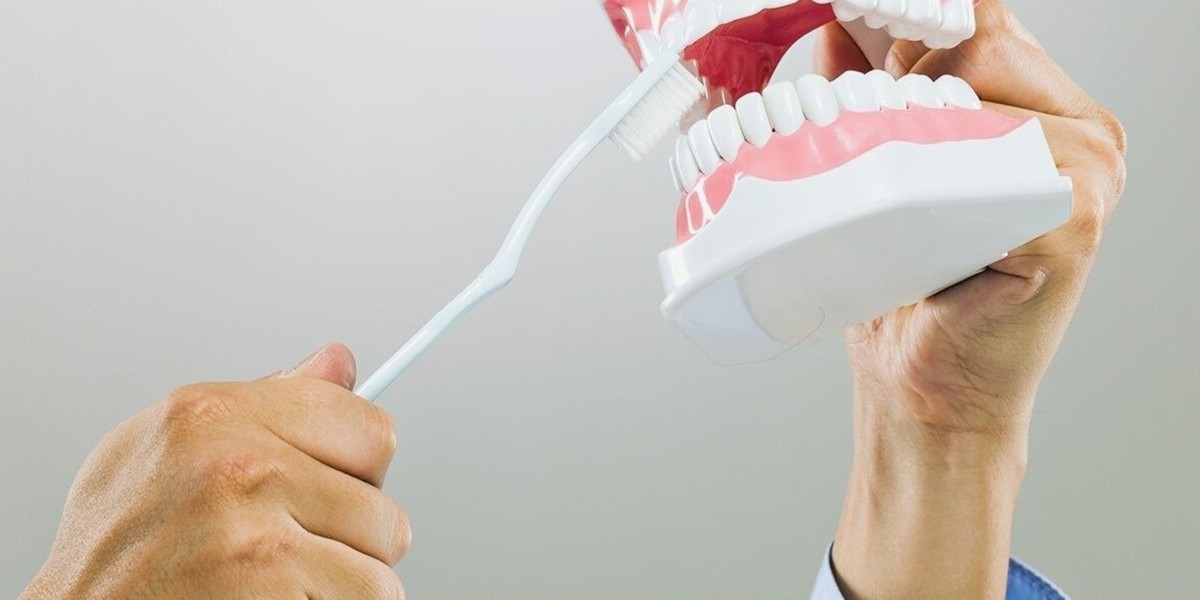

If you have recently been searching for Dental Implants Near Me, you may also be wondering how to care for a new implant during the healing period. One of the most common questions after implant surgery is whether it is safe to brush the area immediately. While maintaining good oral hygiene is important, brushing a newly treated area too early or too aggressively can interfere with healing and irritate the delicate tissues around the surgical site. The right approach depends on the type of procedure you have had and the instructions provided by your dental professional.
Why Is the Healing Period Important?
A dental implant is placed into the jawbone, where it needs time to integrate with the surrounding bone. This process is known as osseointegration and is an important part of successful implant treatment.
Immediately after surgery, the gums and surrounding tissues are also recovering. The area may be swollen, tender, or sensitive, and a protective blood clot can form around the surgical site.
During this early stage, unnecessary disturbance should generally be avoided. This is why your dentist may recommend modifying your normal brushing routine for a short period.
What Can Happen If You Brush Too Early?
Brushing directly over a fresh surgical site can potentially irritate the healing tissue. If you use excessive pressure or brush aggressively, you may cause bleeding, discomfort, or inflammation.
In some circumstances, disturbing the area may also interfere with the formation or stability of the blood clot that helps protect the wound during the early healing stage.
This does not mean that brushing your entire mouth should necessarily stop. In many cases, patients are advised to continue cleaning areas away from the surgical site while taking extra care around the implant area.
The exact instructions can vary according to the procedure, so it is important to follow the aftercare guidance given by your dental professional.
Should You Avoid Brushing Completely?
Usually, the answer is no. Stopping oral hygiene altogether can allow plaque and bacteria to accumulate elsewhere in the mouth.
Instead, your dental professional may recommend avoiding direct brushing over the surgical area for a limited period while continuing to clean the rest of your teeth.
You may also be given specific instructions about rinsing, cleaning around the area, or using prescribed oral-care products.
The timing for returning to your normal brushing routine can vary. Some patients may receive instructions that allow gentle cleaning relatively soon, while others may need to avoid direct contact with the surgical site for longer.
When Can You Usually Resume Normal Brushing?
There is no single timeline that applies to every dental implant patient. The appropriate time depends on factors such as the location of the implant, the type of surgery, whether bone grafting was performed, and how the tissues are healing.
Your dentist may tell you when it is safe to brush directly around the implant. Once you receive permission to do so, a soft-bristled toothbrush and gentle technique are generally preferable.
Avoid scrubbing the area aggressively. The goal is to gradually maintain cleanliness without putting unnecessary pressure on healing tissues.
If you are uncertain about when to resume brushing around the implant, contacting your dental practice for specific instructions is safer than guessing.
What About Electric Toothbrushes?
Electric toothbrushes can be very effective for everyday oral hygiene, but they should be used carefully around a newly treated area.
The movement of an electric toothbrush can be more vigorous than some people realize. Applying pressure directly over a fresh surgical site may cause unnecessary irritation.
During the initial healing period, your dental professional may advise you to avoid using an electric toothbrush directly over the surgical area. Once healing has progressed sufficiently, you may be able to return to your normal electric toothbrush routine.
If your toothbrush has a pressure sensor, use it as a reminder to keep pressure light. Never assume that stronger brushing provides better cleaning.
Keeping Your Mouth Clean During Healing
Although you may need to modify your normal routine temporarily, maintaining overall oral cleanliness remains important.
Continue brushing the teeth that are away from the surgical area according to your dental professional's instructions. If you have been advised to use a particular mouth rinse or cleaning method, follow those directions carefully.
Do not vigorously rinse or spit unless you have been told that it is safe to do so. Forceful rinsing immediately after certain procedures may disturb the healing area.
Soft foods may also be recommended during the early recovery period. Avoid chewing directly on the surgical site unless your dental professional tells you otherwise.
Dental Care During Orthodontic Treatment
Good oral hygiene is important for people undergoing many different types of dental treatment. For example, someone researching Invisalign North London may also be interested in how to maintain healthy teeth and gums while using clear aligners.
Clear aligners are removable, which allows users to brush and clean their teeth before putting the aligners back in. However, implant surgery and orthodontic treatment have different care requirements.
If someone has both an implant and orthodontic appliances, they should follow the specific cleaning instructions provided by their dental professionals rather than assuming that the same routine applies to both treatments.
Signs That Something May Be Wrong
Some swelling, tenderness, and minor bleeding can be expected after implant surgery. However, certain symptoms should be discussed with your dental professional.
Contact your dental practice if you experience:
- Persistent or worsening pain
- Significant or increasing swelling
- Continued heavy bleeding
- Pus or unusual discharge
- Fever or feeling generally unwell
- A noticeable change in the position or stability of the implant
- Symptoms that become worse rather than gradually improving
These symptoms do not automatically mean that an implant has failed, but they may require professional assessment.
What If You Accidentally Brushed the Implant?
If you accidentally brushed over your new implant earlier than recommended, try not to panic. One brief incident does not necessarily mean that the implant has been damaged.
Stop brushing directly over the surgical site and follow the aftercare instructions you were given. Avoid repeatedly touching or checking the area with your fingers or tongue.
If you notice significant bleeding, increased pain, swelling, or another unusual symptom after accidentally brushing the area, contact your dental professional for advice.
How Can You Protect a New Implant?
Following a few basic precautions can make the recovery period easier.
Avoid putting unnecessary pressure on the implant area. Follow any dietary recommendations and avoid chewing hard foods directly over the surgical site if instructed to do so.
Maintain good oral hygiene in the rest of your mouth and follow any prescribed cleaning routine. Avoid smoking if your dental professional has advised you to stop, as smoking can negatively affect oral healing.
Most importantly, attend any recommended follow-up appointments. These visits allow your dental professional to monitor healing and provide updated instructions as the tissues recover.
Final Thoughts
Brushing too early or too aggressively around a new dental implant can irritate healing tissues and may interfere with the early recovery process. However, completely abandoning oral hygiene is generally not the solution either.
The safest approach is to follow the personalized instructions provided after your implant procedure. In many cases, this means keeping the rest of your mouth clean while avoiding direct brushing over the surgical site until it is appropriate to do so.
Once your dental professional confirms that the area has healed sufficiently, you can gradually return to your normal brushing routine. Using a soft-bristled toothbrush, gentle pressure, and good overall oral hygiene can help support the long-term health of your teeth, gums, and implant.
Because every implant procedure is different, your own dentist's post-operative instructions should take priority over general advice found online.