
Denim Tears: The Brand That Turned a Painful History into Modern Streetwear
Some clothing brands sell you a vibe. Denim Tears sells you a story—one most history textbooks skimmed over.
If you've seen the iconic cotton wreath hoodies or the denim jackets with the large circular print, you've already encountered Denim Tears. But what does it actually mean? Why has this relatively young brand earned a spot in the Metropolitan Museum of Art's permanent collection? And why do resale prices keep climbing while sneakerheads and cultural critics alike pay attention?
Let's break it down without the hypebeast noise.
What Is Denim Tears?
Denim Tears is an American streetwear brand founded in 2019 by Tremaine Emory, a designer and creative director from Atlanta, Georgia, raised in Jamaica, Queens . The name itself carries weight: "Denim Tears" refers to the cotton textile industry that was built on the backs of enslaved Black Americans—and the pain and suffering they endured to harvest it .
This isn't a fashion label that stumbled into meaning. From day one, Emory designed Denim Tears as a vessel for storytelling about the African Diaspora, using clothing as what he calls a "Trojan horse" to start conversations about history, race, and American identity .
The brand doesn't just reference history. It wears it.
The Cotton Wreath: More Than a Logo
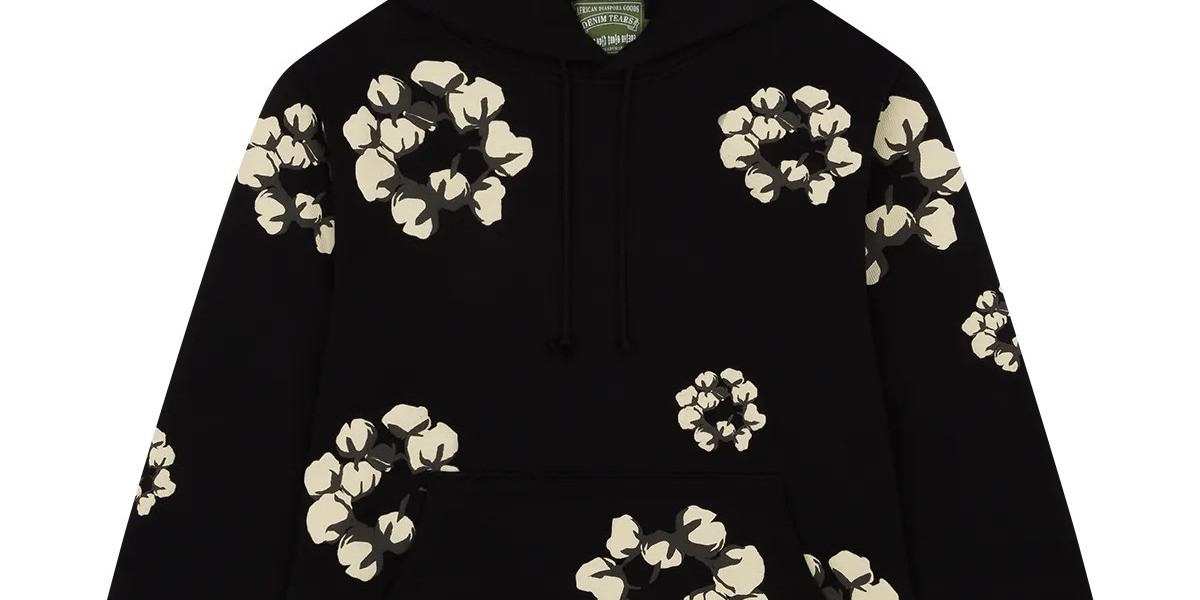
Walk down any street in New York, Atlanta, or Los Angeles, and you'll spot it: a circular wreath made of cotton bolls, printed large across hoodies, sweats, and denim jackets.
But that wreath isn't decoration. Tremaine Emory designed it after visiting the Whitney Plantation in Louisiana, where the reality of slavery and cotton production hits differently than any textbook page . The wreath transforms a symbol of exploitation into something worn with pride—a badge of remembrance rather than shame.
This is what separates Denim Tears from brands that simply slap a logo on a blank. The cotton wreath carries the weight of centuries. When you wear it, you're participating in a conversation whether you realize it or not.
From Supreme to The Met: Tremaine Emory's Journey
Before Denim Tears, Tremaine Emory was already a known figure in fashion and culture. He worked with Kanye West, collaborated with Virgil Abloh, helped shape Stüssy's direction, and became Supreme's first Black creative director in 2022 .
That Supreme chapter didn't last long—about 18 months—but it cemented Emory's reputation as someone unwilling to compromise his vision. When he left, he spoke publicly about being blocked from using images by artist Arthur Jafa depicting lynching and whip scars, alleging "systematic racism" within the company .
Not everyone agreed with his approach. Some critics accused him of commercializing Black trauma. But Emory has consistently argued that the problem isn't provocation—it's the lack of knowledge. "The only thing that's provocative to me is that these things haven't been talked about before," he told Business of Fashion .
That uncompromising stance has paid off. Denim Tears garments are now part of The Metropolitan Museum of Art's Costume Institute permanent collection, alongside pieces from Ralph Lauren and other American design icons .
Why Denim Tears Resonates with Modern Consumers
Here's the thing about today's streetwear audience: they've seen it all. Logos, collabs, limited drops—the mechanics of hype are predictable.
Denim Tears cuts through because it offers something different. It's not just about looking good (though the clothes do look good). It's about wearing something that says something.
When Lauryn Hill posed with five of her six children for a Denim Tears SS26 campaign, it wasn't a typical celebrity endorsement . It felt like a statement—a multi-generational Black family draped in a brand that honors their history.
When A$AP Nast and Maurice from The People Gallery fronted the SS26 collection, the message continued: this is for the culture, by the culture .
And when the brand opened its "African Diaspora Goods" flagship stores in New York and Atlanta—not just pop-ups, but permanent physical spaces—it signaled that Denim Tears isn't going anywhere .
The Denim Tears Fit Guide: What You Need to Know
If you're considering your first Denim Tears Clothing purchase, here's the practical information you'll want.
Hoodies and Sweatshirts: The fit runs true to size with a relaxed, slightly boxy cut. The heavyweight fleece construction gives the garment structure and warmth, not a flimsy drape . If you want a fitted look, consider sizing down. If you want the intended oversized streetwear silhouette, stick with your usual size.
Denim Pieces: Denim Tears denim, especially Levi's collaborations, fits like the base brand. The denim is substantial, with the cotton wreath print or embellishments adding visual weight .
Sweatpants: Cut with extra room through the seat and thighs, the sweatpants match the relaxed aesthetic of the hoodies. Many buyers report they run slightly large by design .
One important note: sizing can vary slightly between releases. Always check the specific product listing when available.
Caring for Your Denim Tears Pieces
Because the cotton wreath carries real cultural significance, preserving it properly matters—not just for looks, but for what the piece represents.
Washing: Turn garments inside out before washing. Use cold water on a gentle cycle. Avoid fabric softener, which can build up on prints and dull the design over time .
Drying: Air drying is always the safest option. Heat is the enemy of printed graphics. If you must use a dryer, use the lowest setting and remove the garment while still slightly damp .
Storage: Fold heavyweight fleece pieces rather than hanging them to prevent shoulder stretching. Store denim and jackets on sturdy hangers. Keep everything out of direct sunlight to prevent fading .
The Real Talk: What About Customer Service?
No honest article about Denim Tears would skip this part.
While the brand's cultural impact is undeniable, its customer service record has been mixed. The Better Business Bureau has received complaints about returns and exchanges, and Trustpilot reviews include serious grievances about orders not arriving and refunds being refused .
The official return policy is strict: 14 days from tracking number issuance, store credit or exchange only (no refunds), and many categories—including ALL Cotton Wreath items—are final sale . That means the most iconic Denim Tears product you might want to buy cannot be returned.
This puts the onus on you, the buyer. Know your size. Understand the policy before you click purchase. Consider buying from trusted resellers if the official site feels risky—but be prepared to pay a premium and authenticate carefully.
It's an uncomfortable truth, but it's one worth knowing before you drop $200+ on a hoodie.
The Future of Denim Tears
Denim Tears Hoodie is expanding. The brand opened a Tokyo flagship in 2026 and has plans for stores in Atlanta, Chicago, Houston, Philadelphia, Portland, and Los Angeles . Annual revenue is reportedly in the "tens of millions," with sales doubling every year since 2019—all without outside investors .
On StockX, sales of Denim Tears items grew 290% in 2024 compared to the previous year, and products in the first half of 2025 sold for an average of 31% above retail .
But the numbers only tell part of the story. The real significance is in what Denim Tears represents: a Black-owned brand that refused to dilute its message, that made history part of its business model, and that found an audience hungry for authenticity in a market saturated with empty hype.
Frequently Asked Questions About Denim Tears
What does the Denim Tears cotton wreath symbolize?
The cotton wreath references the history of slavery and the African American experience tied to the cotton industry. Tremaine Emory designed it after visiting the Whitney Plantation, transforming a symbol of pain into one of remembrance and cultural pride .
Who founded Denim Tears?
Denim Tears was founded in 2019 by Tremaine Emory, a designer from Atlanta who was raised in Jamaica, Queens. He previously worked with Kanye West, Virgil Abloh, Stüssy, and served as Supreme's first Black creative director .
Is Denim Tears true to size?
Yes, Denim Tears hoodies and sweatshirts fit true to size with a relaxed, slightly oversized cut. Size down one for a more fitted look, or stick with your usual size for the intended streetwear silhouette .
Why is Denim Tears so expensive?
Denim Tears pieces are priced as premium streetwear due to heavyweight materials, limited production runs, and strong resale demand. Hoodies typically range from $175-$210, while denim jackets and collabs can cost $280 or more .
Can you return Denim Tears items?
The official policy allows returns within 14 days for store credit or exchange only—no refunds. However, ALL Cotton Wreath items, hats, jewelry, and special collaborations are final sale and cannot be returned .
Is Denim Tears a Black-owned brand?
Yes. Tremaine Emory, the founder and creative director, is Black American. Denim Tears is independently owned without outside investors .
What collaborations has Denim Tears done?
Denim Tears has collaborated with Levi's, Dior, Stüssy, Marc Jacobs, Converse, Ugg, and artists including David Hammons and the late Virgil Abloh .
Where can I buy authentic Denim Tears?
The safest sources are the official Denim Tears website and the brand's African Diaspora Goods flagship stores in New York (176 Spring Street) and Atlanta (Lenox Square). Dover Street Market also carries the brand .
Does Denim Tears restock sold-out items?
Denim Tears rarely restocks core Cotton Wreath items. Once a drop sells out, it typically stays sold out. Resale markets like StockX and eBay are the main option, but authentication is essential .
What makes Denim Tears different from other streetwear brands?
Denim Tears centers African Diaspora history and Black American storytelling in every collection. The brand's garments are in The Met's permanent collection, and founder Tremaine Emory prioritizes education and cultural dialogue alongside commercial success .
Final Thoughts
Denim Tears isn't for everyone. It's not cheap. The return policy is unforgiving. The resale market is full of fakes. But for those who understand what the cotton wreath represents—and who want to wear something that carries meaning beyond the fabric—Denim Tears offers something rare in modern fashion: substance.
In a world of endless drops and empty hype, Tremaine Emory built a brand that makes you think. That's worth more than any logo.