
Burns can happen suddenly at home, at work, while cooking, or during an accident. The right response can help protect the injured skin and reduce the risk of complications. Understanding burn treatment is especially important when a burn is deep, widespread, caused by electricity or chemicals, or affects sensitive areas of the body. ER of Forthworth provides emergency-focused care for injuries that require prompt medical attention.
What Is a Burn?
A burn is damage to the skin or deeper tissue caused by heat, flames, hot liquids, steam, chemicals, electricity, radiation, or other sources. Burns can range from mild redness to serious injuries that damage several layers of skin.
The severity of a burn depends on several factors, including its depth, size, location, and cause. A small superficial burn may improve with basic first aid, while a deep or extensive burn may require emergency evaluation and specialized care.
1. Cool the Burn Quickly
For a minor thermal burn, cooling the affected area can be an important first-aid step. Place the burned area under cool running water for about 10 to 20 minutes when possible. If running water is not practical, a clean, cool, wet cloth may be used.
Avoid using ice directly on burned skin. Extremely cold temperatures can further damage injured tissue. It is also important not to apply butter, oil, toothpaste, or other household substances to the burn.
If the burn is serious, focus on getting emergency medical help rather than attempting extensive treatment at home.
2. Understand Different Burn Levels
Knowing how a burn looks can help you understand when medical evaluation may be necessary.
First-Degree Burns
These usually affect the outer layer of the skin. The area may appear red, painful, and dry. Minor sunburns are a common example.
Second-Degree Burns
These burns can affect deeper layers of skin and may cause significant pain, swelling, redness, and blisters. Some deeper burns can lead to scarring.
Third-Degree Burns
These are serious burns that can damage all layers of the skin and sometimes deeper tissues. The skin may look white, brown, black, or leathery. Because nerves can be damaged, a very deep burn may sometimes cause surprisingly little pain.
When a burn appears deep or severe, seek emergency medical care instead of relying only on home care.
3. Know When a Burn Is an Emergency
Not every burn requires an emergency room visit, but certain warning signs should never be ignored.
Seek immediate emergency care for a burn that:
- Looks deep, leathery, charred, white, brown, or black.
- Is larger than about 3 inches across.
- Covers the face, hands, feet, neck, groin, buttocks, or a major joint.
- Wraps around an arm or leg.
- Causes rapid swelling.
- Is associated with breathing problems or smoke inhalation.
- Was caused by electricity or lightning.
- Was caused by a strong chemical.
- Occurs with signs of shock or serious injury.
When there is uncertainty about the seriousness of an injury, professional evaluation can help determine the safest next step.
4. Be Careful With Blisters
Blisters can develop with partial-thickness burns. Although they may be uncomfortable, they should not normally be popped at home. The blistered skin can provide a protective barrier while the injury heals.
Keep the area clean and protect it with an appropriate clean dressing. If a blister breaks, gently clean the area and monitor it for signs of infection.
Increasing redness, swelling, drainage, worsening pain, or fever can indicate that medical evaluation is needed.
5. Take Extra Care With Chemical Burns
Chemical burns require a different response from many ordinary thermal burns. Chemicals can continue damaging tissue after the initial exposure.
If a chemical gets onto the skin, move away from the source and safely remove contaminated clothing or jewelry. Dry chemicals should be brushed away carefully before rinsing. The affected area should generally be rinsed with running water for at least 20 minutes.
Chemical burns involving the eyes, face, hands, groin, or other sensitive areas can be especially concerning. Serious chemical exposure should receive prompt medical attention.
If possible, bring information about the chemical involved so healthcare professionals can better understand the exposure.
6. Treat Electrical Burns Seriously
Electrical burns may look small on the skin while hiding deeper injuries. Electricity can also affect muscles, nerves, and the heart.
If someone has suffered a high-voltage electrical injury, lightning injury, trouble breathing, confusion, seizures, loss of consciousness, an abnormal heartbeat, or a severe burn, emergency medical help is needed.
Never touch a person who is still in contact with an electrical source. The power source should be safely disconnected before approaching the injured person.
Once the area is safe, emergency services should be contacted when the injury is serious.
7. Understand What Happens During Medical Burn Care
When you arrive for medical evaluation, healthcare professionals first assess the severity and extent of the injury. They may examine the depth and location of the burn and check for other injuries.
Depending on the severity, medical care may include wound cleaning, dressings, pain management, medication, monitoring, or referral to a specialized burn center. Serious burns can sometimes require procedures such as removal of damaged tissue, surgery, skin grafting, or rehabilitation.
The goal of professional care is not simply to reduce pain. Treatment may also focus on preventing infection, supporting healing, reducing scarring, and preserving movement and function.
What Should You Do Before Getting Emergency Care?
If someone has a serious burn, take practical steps while waiting for emergency assistance:
- Move the person away from the source of injury if it is safe.
- Check that the person is breathing.
- Remove rings, watches, belts, or other tight items before swelling increases.
- Do not pull clothing that is stuck to burned skin.
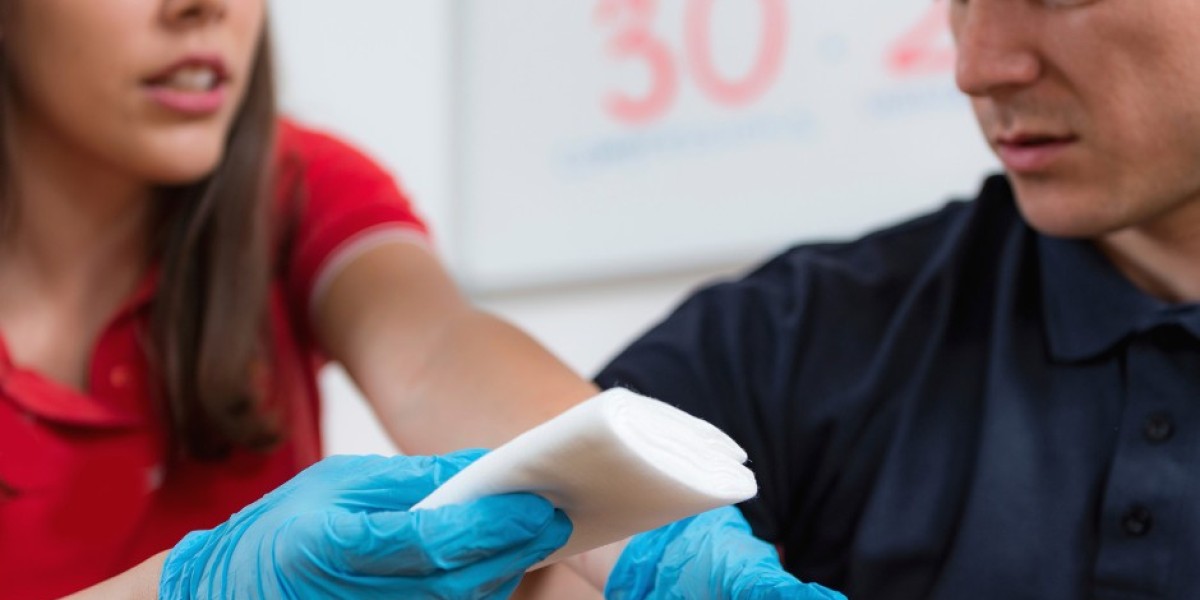
- Loosely cover the burn with clean, dry gauze or cloth.
- Keep the person warm without placing heavy material directly on the burn.
- Watch for signs of shock.
- Get emergency medical help for serious burns.
These steps are basic first aid and do not replace professional medical evaluation.
When Should You Visit ER of Forthworth?
ER of Forthworth can be considered when a burn appears serious or requires prompt emergency evaluation. Burns involving sensitive body areas, extensive skin damage, significant blistering, electrical exposure, chemical exposure, or possible inhalation injury should not be ignored.
People should also seek emergency care when a burn is accompanied by difficulty breathing, confusion, fainting, severe swelling, or other concerning symptoms.
For life-threatening symptoms, call 911 or your local emergency service immediately.
Frequently Asked Questions
What is the first step for a minor burn?
Cool the burn with cool running water for about 10 to 20 minutes. Avoid ice, butter, oil, or toothpaste on the injured skin.
When should a burn be treated in an emergency room?
Seek emergency care when a burn is deep, extensive, rapidly swelling, involves the face or other sensitive areas, causes breathing problems, or results from electricity or significant chemical exposure.
Should I pop a burn blister?
It is generally better not to pop a burn blister yourself. The blister can help protect the injured area while it heals.
Are electrical burns dangerous?
Yes. Electrical injuries can cause damage beyond what is visible on the skin and may affect the heart, muscles, or nerves. Serious electrical injuries require emergency medical attention.
How should a chemical burn be treated?
Remove the person from the chemical source, safely remove contaminated clothing, brush off dry chemicals, and rinse the affected area with running water. Serious chemical burns require immediate medical evaluation.
Can a serious burn require surgery?
Yes. Some deep or extensive burns may require procedures such as removal of damaged tissue or skin grafting. Treatment depends on the severity and location of the injury.
Conclusion
Burns should always be taken seriously when they are deep, widespread, chemically or electrically caused, or located on sensitive parts of the body. Basic first aid can help with some minor injuries, but serious burns need professional evaluation. Recognizing warning signs and getting timely emergency care can support safer healing and help reduce complications.
For urgent burn concerns, ER of Forthworth is an emergency-care option for patients who need prompt medical evaluation. If the situation is life-threatening, call 911 immediately.
For more information visit:https://eroffortworthtx.com/services/burns-treatment/