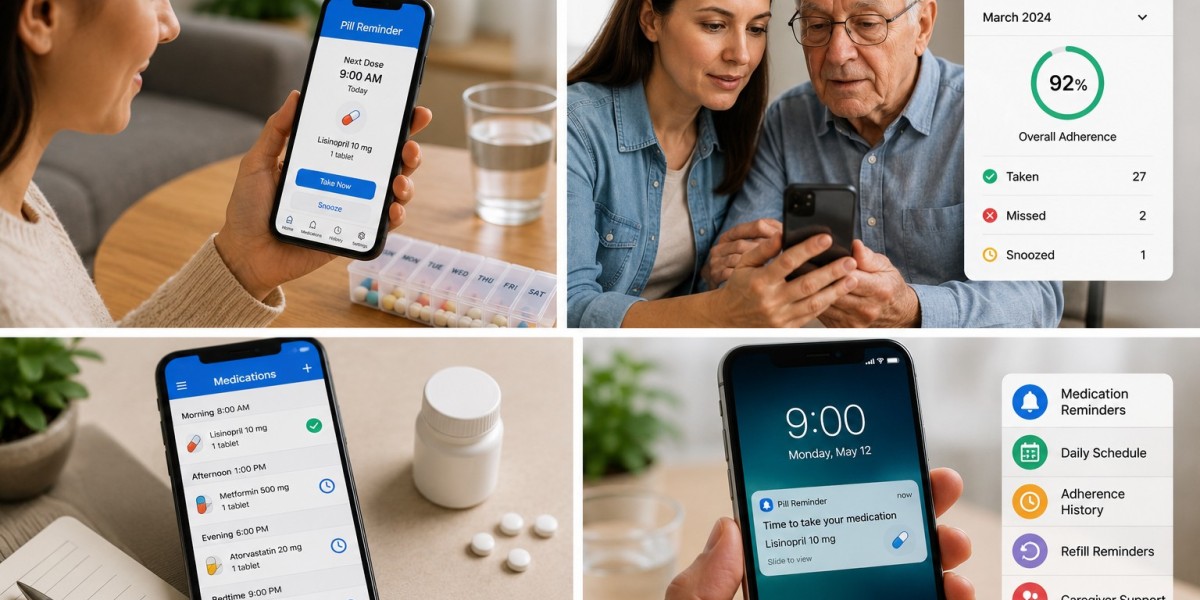

Introduction
Taking medicine on time can be challenging, especially for people who manage several medicines or follow a long-term treatment plan. Busy schedules, travel, work, family responsibilities, and changes in daily activities can make it easy to forget a scheduled dose. Medication reminders can provide useful prompts that help people organize their daily medication schedules and build a more consistent routine.
Medication reminders can take different forms, including smartphone apps, alarms, calendars, written schedules, pill organizers, and specialized reminder devices. The best option depends on the person's needs and medication schedule.
A reminder is an organizational tool, not medical advice. Users should always follow prescription instructions and speak with a doctor or pharmacist when they have questions about their medicines.
What Are Medication Reminders?
Medication reminders are alerts or systems designed to remind a person when it is time to take a scheduled medicine.
They can include:
- Smartphone notifications
- Medication reminder apps
- Alarm clocks
- Calendar alerts
- Written medication charts
- Pill organizers
- Automatic pill dispensers
- Caregiver reminders
Digital solutions such as Pill Reminder can help organize scheduled alerts, while physical tools can provide additional support.
The purpose is simple: provide a timely prompt so users do not have to rely entirely on memory.
10 Powerful Benefits of Medication Reminders
1. Help Reduce Reliance on Memory
People can forget tasks even when they are normally organized. Medication schedules can become especially difficult to remember when several medicines have different times.
A reminder provides an external prompt. Instead of trying to remember every dose throughout the day, users can rely on an organized reminder system.
This can be particularly useful during busy periods or when a normal daily routine changes.
2. Support a Consistent Medication Routine
A consistent medication routine can make daily medicine management easier to organize.
For example, a person may have medicines scheduled at different times during the day. Reminders can help make these times more visible and predictable.
A routine might include:
- Receiving a reminder.
- Checking the medication instructions.
- Taking the medicine as prescribed.
- Recording or acknowledging the reminder when appropriate.
The reminder itself should never be used to change a prescribed schedule.
3. Help Organize Multiple Medicines
Managing several medicines can create confusion when each one has a different schedule.
A medication reminder system can help organize information about different medicines and their scheduled times.
Some digital apps allow users to create multiple reminders, while written charts and pill organizers can provide physical organization.
Users should regularly check their medication information against current prescription labels and professional instructions.
4. Provide Timely Digital Alerts
Smartphones are commonly available throughout the day, making them convenient devices for medication notifications.
A digital reminder can provide an alert when a scheduled time arrives. Depending on the application, notifications may appear in different formats.
Digital alerts can be particularly helpful for people who do not want to rely on handwritten notes or a traditional alarm.
5. Support Long-Term Medication Management
Some people take medicines for weeks, months, or years. Remembering a regular schedule over a long period can become difficult.
Repeating reminders can provide an organized system for ongoing medication management.
For example, users may create recurring alerts for medicines taken at the same time each day.
However, medication schedules should only be changed according to instructions from a doctor or pharmacist.
6. Can Support Family Caregivers
Family members sometimes help loved ones manage daily medicines. This may include helping an older adult organize schedules or remember reminder times.
A medication reminder can become part of a broader support system.
For example, a caregiver may help set up reminders and review the schedule with the person taking the medicine.
However, caregivers should not assume that a reminder notification proves the medicine was taken.
7. Can Provide Reminder Activity Records
Some medication reminder apps allow users to record or review actions related to reminders. This may create an adherence history within the application.
For example, an app might record whether a reminder was acknowledged or marked as completed.
This information can help users identify patterns in their reminder activity. However, it is important to understand that an app record does not independently prove that medication was taken.
A marked reminder and actual medication use are not necessarily the same thing.
8. Make Medication Planning More Convenient
A well-organized reminder system can reduce the amount of daily planning required.
Instead of repeatedly checking a written schedule, users can receive prompts at the appropriate times.
Some systems may also allow users to organize:
- Medication names
- Reminder times
- Repeating schedules
- Daily routines
- Reminder activity
The exact options depend on the tool being used.
9. Can Work With Physical Medication Tools
Digital reminders do not need to replace physical organization tools.
Some people may find it helpful to combine a smartphone reminder with a suitable pill organizer.
For example:
Prescription instructions → medication organization → reminder → daily routine
A physical pill box can help organize suitable medicines, while a digital reminder can provide a prompt.
Not every medicine should be transferred to a pill organizer, so users should ask a pharmacist when unsure.
10. Encourage Better Medication Organization
A reminder system can encourage people to think about their medication schedule in a more organized way.
Having a clear list and predictable alerts may make daily medication planning easier.
The goal is not to make medication management complicated. Instead, a good reminder system should simplify the process and fit naturally into the person's daily life.
Types of Medication Reminders
There are several common types of medication reminders.
| Reminder Type | Best Use |
|---|---|
| Smartphone app | Digital medication schedules and alerts |
| Phone alarm | Simple time-based reminders |
| Calendar reminder | Basic scheduled prompts |
| Pill organizer | Physical medication organization |
| Automatic dispenser | Timed physical alerts and dose access |
| Written chart | Simple visual schedule |
| Caregiver reminder | Additional family support |
The right option depends on the person's medication needs, technology comfort, and level of support.
Pill Reminder for Daily Medication Organization
Pill Reminder can be used as part of a digital approach to medication organization. A dedicated reminder system can help users create scheduled alerts and keep medication information easier to review.
For people with several daily medicines, having reminders in one place can make a medication routine more structured.
Family members may also use reminder tools when helping with medication organization.
However, users should make sure the information entered into any app is accurate and reflects the current instructions from their healthcare professional.
How to Create a Better Medication Routine
A reminder works best when it is part of a simple and consistent system.
Practical Tips
- Enter medication information carefully.
- Double-check reminder times against prescription instructions.
- Use clear names for medicines.
- Keep important medication information up to date.
- Review reminders regularly.
- Update the schedule when a healthcare professional changes the treatment plan.
- Keep medicines stored according to their instructions.
- Ask a pharmacist before moving medicines into a pill organizer.
- Keep your phone notifications enabled when appropriate.
- Do not use a reminder app to change medication doses.
If a dose is missed, follow the instructions specific to that medicine or ask a pharmacist or healthcare professional. Do not automatically take an extra dose.
Frequently Asked Questions
What are medication reminders?
Medication reminders are alerts or systems that prompt users when it is time for a scheduled medicine. They can include apps, alarms, pill organizers, written charts, and automatic dispensers.
Can medication reminders help create a medication routine?
Yes. Scheduled prompts can make medication times more predictable and help users organize a consistent daily medication routine.
What is an adherence history in a medication app?
An adherence history generally refers to records of reminder-related actions, such as reminders being acknowledged or marked. It should not be considered independent proof that medication was taken.
Can medication reminders help older adults?
They can be useful for some older adults, particularly when the reminder system is simple and easy to understand. Family members or caregivers may provide additional support when needed.
Can caregivers use medication reminders?
Yes. Caregivers can help set up and review reminder systems for loved ones. The appropriate level of assistance depends on the individual's needs.
Can I use a phone alarm instead of a medication app?
Yes. A simple phone alarm may be sufficient for someone with a straightforward medication schedule. A dedicated app may provide additional organization.
Can medication reminders replace a doctor?
No. Reminders only provide organizational support. Doctors and pharmacists remain the appropriate sources for medication advice and treatment decisions.
What should I do if I miss a medication reminder?
Do not automatically take an extra dose. Check the medicine-specific instructions or contact a pharmacist or healthcare professional for guidance.
Can Pill Reminder help organize medication schedules?
Pill Reminder can be part of a digital medication organization system, depending on its current features. Users should always enter accurate information and follow professional medication instructions.
Conclusion
Medication management can become easier when daily schedules are organized clearly. Reminders provide simple prompts that can reduce reliance on memory, support a consistent medication routine, and make multiple medication schedules easier to manage.
Digital tools such as Pill Reminder can provide convenient alerts, while physical tools such as suitable pill organizers can provide additional organization. Some reminder systems may also provide an adherence history that helps users review reminder activity.
However, medication reminders should always be treated as organizational aids rather than medical decision-making tools. They cannot confirm that a medicine was taken and should never be used to change doses or treatment plans.
By combining accurate medication information, appropriate reminders, and professional healthcare guidance, users can create a safer and more organized approach to daily medication management.
For more detail visit:https://kahkaham.net/read-blog/214961_7-powerful-benefits-of-a-pill-box-for-a-better-medication-routine-in-2026