
Quilting is a creative tradition that combines color, texture, pattern, and craftsmanship into something both beautiful and practical. Whether you are making a small wall hanging, a baby quilt, a seasonal project, or a large bed quilt, choosing the right materials is one of the most important steps in the process. High-quality quilting fabric can make your project easier to sew, more durable, and more visually appealing.
For beginners and experienced quilters alike, visiting a dedicated quilt fabric shop can be an excellent way to discover new materials, compare colors, and find inspiration. With countless prints, solids, textures, and collections available, understanding what to look for can help you select fabric with confidence.
Understanding Quilting Fabric
Quilting fabric is designed specifically for patchwork, appliqué, and other sewing projects. Most traditional quilting fabrics are made from 100% cotton because cotton is easy to cut, sew, press, and handle. It also offers the durability needed for quilts that may be used and washed regularly.
One of the biggest advantages of quality quilting fabric is consistency. Quilting often requires precise cutting and sewing, so fabric with a stable weave can help pieces maintain their shape. This is especially important when working with intricate quilt blocks or patterns that require accurate seams.
While cotton is a popular choice, quilters can also find fabrics made from blends, linen, flannel, and other materials. Each option offers a different texture and appearance, allowing makers to experiment with their projects.
Why Fabric Quality Matters
The quality of your fabric can have a significant effect on the finished quilt. Inexpensive fabric may seem appealing when starting a large project, but lower-quality material can sometimes shrink unevenly, fray excessively, or become difficult to work with.
Good quilting fabric typically has a tight, even weave and a smooth surface. It should feel comfortable in your hands without being excessively thin or loosely woven. Quality material also tends to hold color well, which is important for quilts that are intended to last for many years.
Choosing dependable fabric can also make the sewing process more enjoyable. Pieces are easier to cut accurately, seams tend to behave predictably, and finished blocks can maintain their shape.
Exploring Different Colors and Patterns
Color is one of the most exciting parts of quilting. A quilt can be soft and neutral, bright and energetic, traditional and timeless, or completely modern. The right combination of fabrics can transform a simple quilt pattern into a distinctive work of art.
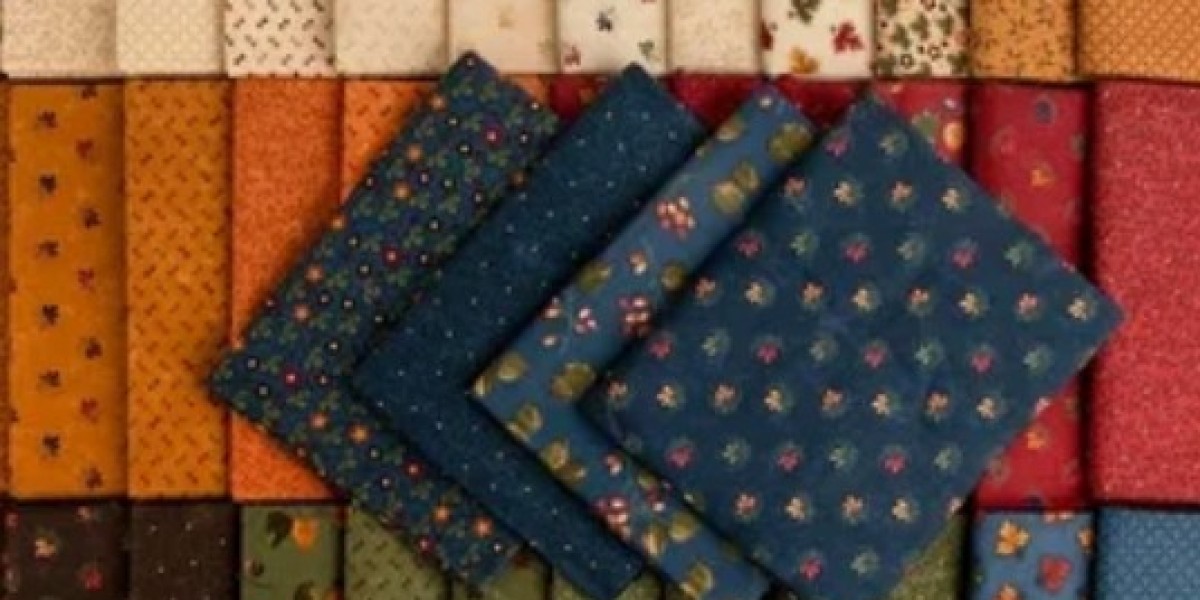
When selecting quilting fabric, consider how colors will interact with one another. Solid fabrics can provide visual balance when combined with bold prints. Small-scale prints can work well in detailed quilt blocks, while larger patterns can become striking focal points.
It can also help to consider contrast. Fabrics that are similar in color and value can create a subtle, sophisticated appearance. High-contrast fabrics, on the other hand, can make individual quilt blocks stand out.
Many quilters enjoy building a palette before beginning a project. Choosing several coordinating colors gives the quilt a sense of unity while still allowing enough variety to make the design interesting.
The Benefits of Visiting a Quilt Fabric Shop
Shopping for fabric online can be convenient, but a physical quilt fabric shop offers an experience that many quilters find valuable. Being able to see and touch fabric in person makes it easier to judge color, texture, weight, and quality.
A local fabric shop can also provide inspiration. Seeing collections displayed together may help you discover combinations you would not have considered when shopping from a screen. You may also find seasonal fabrics, specialty prints, precut pieces, and quilting accessories in one location.
Another benefit is the opportunity to ask questions. Staff members at a dedicated quilt fabric shop may be familiar with different fabric types, quilting techniques, and popular patterns. Their guidance can be particularly useful for beginners who are still learning how to choose materials.
Buying the Right Amount of Fabric
Determining how much fabric you need is an important part of planning a quilting project. The amount depends on the quilt pattern, finished size, block design, and cutting requirements.
Before purchasing fabric, carefully review the pattern's material list. It is usually wise to buy a small amount of extra fabric, particularly when working with directional prints or patterns that require matching.
If a fabric is especially important to your design, consider purchasing a little extra. This provides a margin for cutting mistakes and future repairs. Keeping leftover fabric can also be useful for making matching accessories or replacement pieces.
Prewashing Quilting Fabric
Whether to prewash fabric is a personal preference, but many quilters choose to wash their fabric before cutting. Prewashing can remove excess dye and allow the fabric to shrink before it becomes part of the finished quilt.
This can be particularly helpful when combining fabrics from different manufacturers or collections. However, some quilters prefer not to prewash because they like the crisp feel of new fabric and want the finished quilt to develop its own character after washing.
Whatever approach you choose, consistency is important. Following the same preparation method throughout a project can help prevent unexpected differences in fabric behavior.
Organizing Your Fabric Collection
Once you begin quilting regularly, your fabric collection can grow quickly. Keeping quilting fabric organized makes it easier to find what you need and can also inspire future projects.
Many quilters organize fabric by color, pattern, size, or collection. Folded fabric can be stored on shelves, in drawers, or in labeled containers. Smaller scraps can be separated from larger cuts so they can be easily used for future patchwork projects.
Organizing fabric also helps you avoid purchasing materials you already own. A well-arranged collection allows you to see your available colors and patterns at a glance.
Choosing Fabric for Different Projects
Different quilting projects may call for different fabric choices. A baby quilt might benefit from cheerful colors and playful prints, while a traditional bed quilt may call for classic patterns and coordinating solids.
Seasonal projects can also be an opportunity to experiment. Autumn quilts might feature warm earth tones, while winter designs can incorporate cool blues, whites, and festive prints.
For modern quilting, geometric prints and simple solids can create a clean appearance. Vintage-inspired projects may work beautifully with floral prints, traditional motifs, and muted colors.
The most important consideration is choosing fabric that suits both the pattern and your personal style.
Making Your Quilting Experience More Enjoyable
Quilting is about more than completing a finished product. It is a creative process that allows you to experiment, learn, and develop your own style. Choosing quality quilting fabric is an important part of that experience.
Whether you are searching for a particular print or simply looking for inspiration, a well-stocked quilt fabric shop can make fabric shopping enjoyable and productive. Take time to compare colors, examine textures, and consider how each fabric will work with the rest of your design.
With thoughtful planning and the right materials, even a simple pattern can become a meaningful handmade creation. From selecting the first piece of fabric to stitching the final seam, quilting offers countless opportunities to express creativity and make something that can be enjoyed for years to come.