
A customer finishes an appointment, pays at the counter, thanks the team, and walks out. The experience went well, yet one important question remains: will that customer actually come back?
We see this challenge often in appointment-based businesses. Salons, dental offices, wellness clinics, pet groomers, spas, repair businesses, and other service providers work hard to earn a first visit. The problem comes afterward. Customers get busy, forget when they should return, lose track of verbal instructions, or simply postpone booking until the business disappears from their routine.
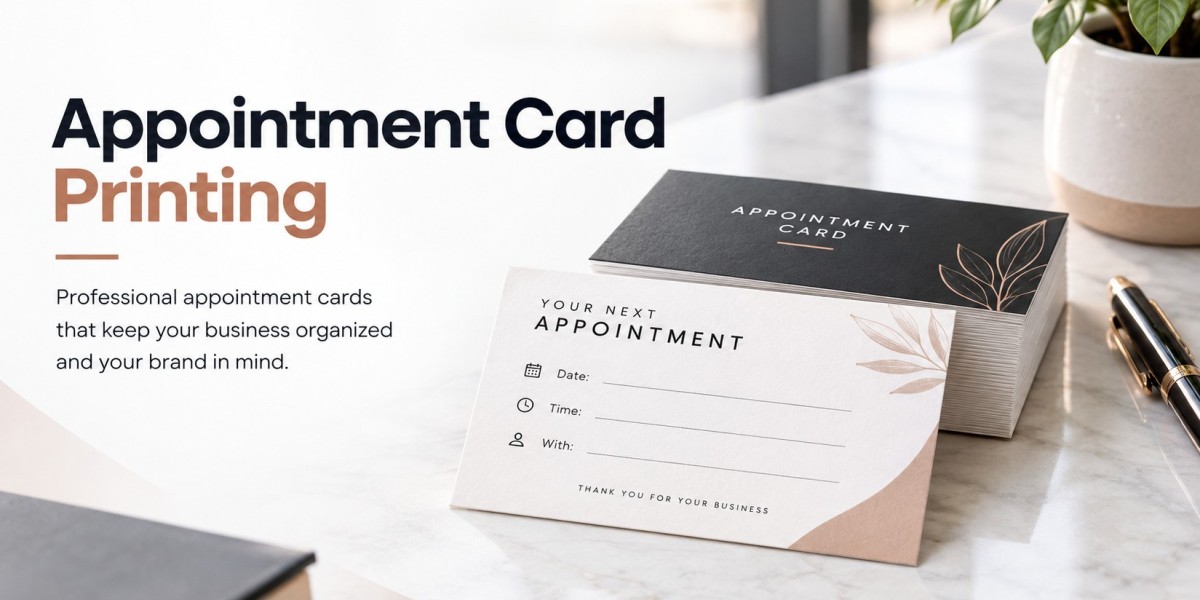
That is where something as simple as Appointment Cards Printing can play a useful role. A well-planned appointment card gives customers a physical reminder of the next visit while keeping the business name, contact details, and scheduling information within easy reach.
Appointment cards will not replace good service, follow-up messages, or a reliable booking system. They strengthen those efforts by making the next step clear before the customer leaves.
Appointment Cards Strengthen Customer Retention After Every Visit
Customer retention rarely depends on one dramatic gesture. In most service businesses, it grows through small, consistent interactions that make returning easy.
Appointment cards support that process because they connect the current customer experience with the next expected visit. Instead of ending the relationship at checkout, the business creates a clear continuation.
They Turn a Good Visit Into a Next Appointment
A satisfied customer may fully intend to return but still forget to schedule another appointment. This happens especially with services that customers need every few weeks or months rather than every few days.
When staff members schedule the next visit and write the details on a card, the customer leaves with a specific date instead of a vague intention to “come back sometime.” That small difference can help businesses create more predictable repeat visits.
We often encourage businesses to treat rebooking as part of the service process rather than an extra administrative task. The appointment card simply gives that conversation something tangible.
They Keep the Business Visible Between Visits
Most customers interact with several businesses during a typical month. A salon visit from six weeks ago or a dental checkup scheduled months in advance can easily fade from memory.
An appointment reminder card may sit in a wallet, on a refrigerator, beside a calendar, or on a desk. Each time the customer notices it, the business receives another quiet brand impression without sending another advertisement.
That visibility matters because customer retention often depends on familiarity. People tend to return to businesses they remember and trust.
Printed Appointment Reminders Work Alongside Digital Scheduling
Many businesses assume appointment cards no longer matter because customers receive texts and emails. In practice, printed and digital reminders solve different problems.
A text message works well close to the appointment date. A printed card gives the customer something to reference immediately after booking and during the weeks or months before automated reminders begin.
Physical Cards Give Customers a Backup
Phones get replaced. Messages disappear inside busy inboxes. Customers accidentally delete confirmation texts or forget which business sent them.
A printed card provides another reference point. If the customer wants to confirm the date, find the phone number, or check an appointment time, the information already sits in front of them.
For customers who manage several medical, personal-care, or family appointments, that extra layer can make scheduling noticeably easier.
Different Customers Prefer Different Reminder Methods
Businesses sometimes design their processes around their own preferred technology rather than the customer’s habits. That creates unnecessary friction.
Some customers rely entirely on smartphone calendars. Others still use paper planners. Parents may pin appointment cards to a family noticeboard, while older clients may feel more comfortable carrying a physical reminder.
Strong customer service gives people more than one practical way to remember an appointment. Businesses do not need to choose between print and digital reminders when both can support the same retention strategy.
Better Appointment Card Design Makes Rebooking Easier
An appointment card only helps when customers can understand it quickly. Attractive artwork cannot compensate for tiny text, unclear dates, or missing contact information.
We regularly see businesses try to fit too much information onto a small card. The result may look busy and make the most important detail, the next appointment, harder to find.
Give Appointment Details Visual Priority
The date and time should stand out immediately. Staff members also need enough room to write clearly without squeezing information between decorative elements.
A practical appointment card might include:
Customer or patient name
Appointment date
Appointment time
Staff member or provider
Business phone number
Website or booking information
Location when customers may need it
Businesses can add other information when it genuinely helps, but every extra element competes for limited space.
Choose a Surface Staff Can Write On
This detail sounds obvious until a business receives hundreds of cards with a finish that makes handwriting difficult.
If staff members need to write appointment dates with regular pens, the writing area should support that purpose. Glossy coatings may look attractive, but a highly coated writing section can cause ink to smear or skip.
A practical approach often combines polished branding with an uncoated or writable appointment area. Laguna Digital, for example, offers appointment-card options that include matte, uncoated, and coated configurations, which gives businesses flexibility around how staff will actually use the card.
Keep Branding Recognizable, Not Distracting
Appointment cards should still look like part of the business.
Consistent colors, typography, contact information, and brand elements help customers identify the company quickly. However, businesses do not need to turn a small reminder card into a miniature brochure.
We usually find that restrained layouts work better. Customers need to recognize the company and understand their next appointment within seconds.
Appointment Cards Can Help Reduce Missed Visits
No-show appointments create more than an empty space in the calendar. They can interrupt staff schedules, reduce daily revenue, and leave time slots that the business cannot refill at short notice.
Appointment cards cannot eliminate no-shows on their own. They can, however, support a broader reminder process that keeps appointment details clear.
Confirm the Information Before the Customer Leaves
A simple habit can prevent avoidable confusion: repeat the date and time while handing over the card.
Staff can ask the customer to confirm that the appointment works before leaving. This gives both sides a chance to catch mistakes immediately rather than discovering them later.
A well-organized checkout process may take only a few extra seconds, yet it can prevent scheduling problems that consume much more time afterward.
Combine Cards With Timely Digital Reminders
Physical appointment cards work best as the first reminder, not the only reminder.
For example, a dental office may schedule a follow-up months ahead and provide a card at checkout. Closer to the date, the practice can send an SMS or email confirmation. The card establishes the appointment early, while the digital message refreshes the customer's memory later.
That layered approach matches how people actually manage busy schedules.
Appointment Cards Can Encourage Repeat Business Without Hard Selling
Customer retention does not always require discounts or aggressive promotions. In many cases, convenience creates a stronger reason to return.
An appointment card keeps the next interaction simple. Customers know when to return, where to contact the business, and which service provider they expect to see.
Rebooking Creates Routine
Certain businesses benefit heavily from recurring customer habits.
Haircuts, grooming appointments, dental cleanings, therapy sessions, skincare treatments, maintenance visits, and wellness services often follow natural intervals. Once customers establish that pattern, returning requires less thought.
Appointment cards help businesses reinforce that routine without pressuring the customer. Instead of selling another service, the business simply helps the customer stay organized.
Small Cards Can Carry Useful Secondary Information
The back of an appointment card can serve another purpose when the information genuinely supports the customer.
A salon might list cancellation instructions. A veterinary clinic may include an emergency contact number. A wellness provider could add preparation instructions for the next session.
The key lies in relevance. Businesses should use the available space to remove uncertainty, not fill it simply because printing allows it.
Different Businesses Use Appointment Cards Differently
The same appointment card format will not suit every industry. A card should reflect the actual customer journey.
We recommend starting with one question: what information does the customer need after leaving?
Salons, Spas, and Beauty Businesses
Beauty businesses often depend on regular repeat visits. Appointment cards can help clients remember haircut schedules, nail appointments, skincare treatments, or other recurring services.
These businesses may also benefit from including the staff member's name because many customers build a relationship with a particular stylist or technician.
Medical and Dental Offices
Healthcare-related appointment cards require exceptional clarity. Patients need readable dates, times, contact details, and sometimes the name of the department or provider.
Businesses should avoid clutter in these situations. Clear hierarchy matters more than decorative design.
Pet Groomers and Veterinary Services
Pet owners often manage appointments for more than one animal. Adding space for the pet's name can make the reminder far more useful.
Regular grooming schedules, vaccination visits, and follow-up appointments also make physical reminder cards practical for this type of business.
Repair and Professional Service Businesses
Appointment cards can work outside healthcare and personal care as well.
Automotive services, consultants, home-service providers, and other scheduled businesses can use them for follow-up appointments, inspections, estimates, or recurring maintenance.
Print Planning Matters More Than Businesses Expect
Businesses often focus on artwork and overlook production timing. That can create trouble when the last stack of cards suddenly disappears during a busy week.
Good print management means checking stock before supplies become urgent.
Reorder Before You Reach the Last Few Cards
Keeping a small reserve gives the business time to review artwork, update contact information, and correct old details before printing the next batch.
Rush decisions increase the chance of missed errors. Businesses that regularly need printed customer materials should establish a simple reorder point rather than waiting until staff members run out.
When urgent production becomes unavoidable, understanding potential same-day print risks can help teams make better decisions around artwork, quantity, finishing, and deadlines.
Review Details Every Time You Reprint
Do not assume the last file still contains accurate information.
Phone numbers change. Websites move. Staff members leave. Booking links get updated. Hours shift. Even a small change can make thousands of newly printed cards outdated.
A quick preprint review takes little time compared with the frustration of discovering an error after production.
Measuring Whether Appointment Cards Support Retention
Businesses do not need complicated analytics to judge whether appointment cards help.
Start by watching customer behavior around rebooking.
Track Rebooking at Checkout
Ask staff to record how many customers schedule their next visit before leaving.
If rebooking improves after introducing a clearer appointment process, the business gains useful evidence that the approach works.
The card alone may not deserve all the credit. Staff habits, scheduling conversations, and reminder systems work together. The goal involves improving the complete retention process rather than proving that one printed item caused every result.
Listen to Customer Feedback
Customers often reveal usability issues naturally.
If several people call because they cannot read the handwritten time, the card needs a larger writing area. If customers repeatedly ask for the address, consider adding it. If they confuse appointment dates with other printed information, simplify the layout.
Real customer questions often provide better design guidance than assumptions made around a conference table.
Frequently Asked Questions
Do Appointment Cards Still Work When Businesses Use Text Reminders?
Yes. The two formats serve different moments in the customer journey. A printed card gives customers an immediate record when they book, while texts or emails can remind them closer to the appointment. Using both creates a more reliable reminder process.
What Information Should an Appointment Card Include?
Most businesses should include the appointment date, time, business name, phone number, and enough space for relevant notes. Depending on the service, the card may also include the provider's name, location, website, or booking details.
Can Appointment Cards Help Reduce No-Shows?
They can contribute to a stronger reminder system, especially when businesses confirm the appointment at checkout and send another reminder later. No single reminder method prevents every missed appointment, so businesses should combine clear scheduling with sensible follow-up.
What Type of Finish Works Best for Writable Appointment Cards?
Businesses that write dates and times by hand usually benefit from an uncoated or suitably writable area. Before ordering, consider which pens employees use and whether the surface allows clean, readable handwriting without smudging.
Build Retention Into the Way Customers Leave
Customer retention often starts before a customer walks out the door.
Businesses that schedule the next visit, confirm the details clearly, and give customers an easy reminder create fewer opportunities for the relationship to fade between appointments. Appointment cards support that process because they make the next step physical, visible, and easy to reference.
From our experience with business printing, the most effective cards do not try to do everything. They present the appointment information clearly, carry recognizable branding, and fit naturally into the way staff already serve customers.
Businesses should also treat printing as part of their operating process rather than a last-minute purchase. Reviewing card stock, writing space, contact information, and reorder timing can prevent surprisingly common problems.
For businesses reviewing their appointment-card materials or other customer-facing print pieces, Laguna Digital provides a practical place to explore print options and plan materials around real day-to-day business needs.
The objective remains simple: make it easier for a satisfied customer to become a returning customer.