
What Is Non-Ferrous Metals Pricing Intelligence?
Non-ferrous metals pricing intelligence provides structured visibility into price movements, supply conditions, demand signals, regional differences, and market drivers affecting metals other than iron and steel. It helps procurement teams, manufacturers, traders, and commercial decision-makers understand not only where prices are moving, but why they are moving and how supply conditions may affect delivered costs.
Grand View Signal's September 2026 assessment covers four major non-ferrous metals groups: Base Metals, Battery & Energy Metals, Minor & Specialty Metals, and Precious Metals. The coverage includes 200 commodities across multiple geographies, with historical data, current assessments, and forecasts.
Non-Ferrous Metals Market Overview: September 2026
The September market was highly differentiated rather than moving in a single direction:
- Copper: Supply constraints in concentrate and scrap increased concerns about refined copper availability and pressured Chinese smelter economics.
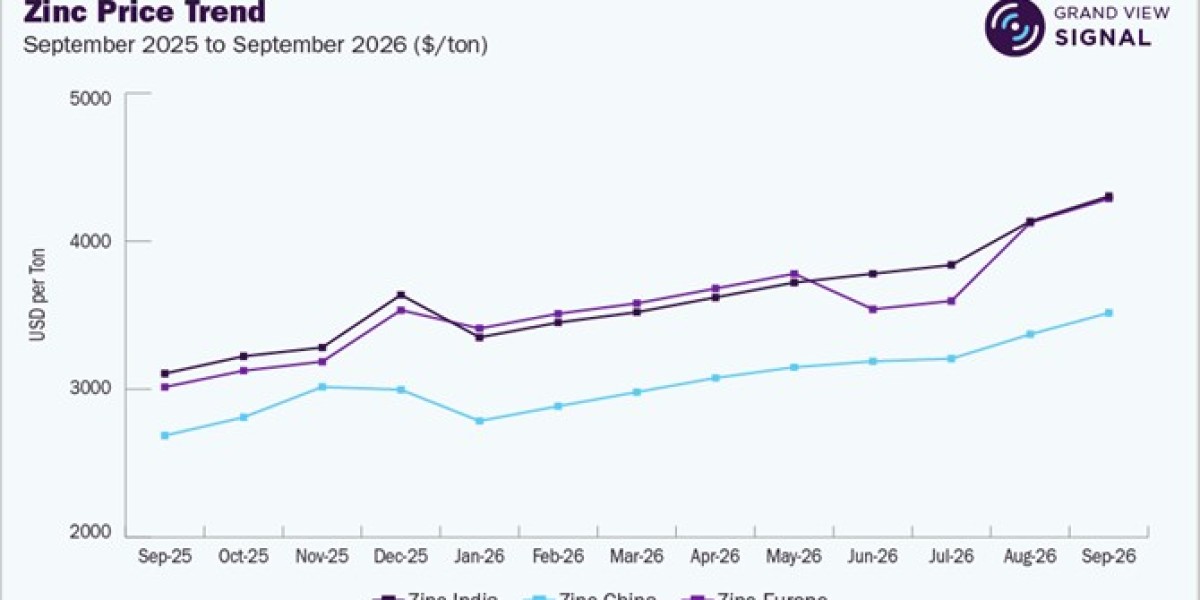
- Zinc: Tight mined supply and low accessible exchange stocks supported stronger price momentum.
- Aluminum: Buyers focused on the recovery of Gulf production, inventory rebuilding, and regional delivery costs.
- Lithium: Lithium carbonate recovered after a mid-month decline, but increasing feedstock arrivals kept buyers cautious.
- Cobalt: Export-quota administration in the Democratic Republic of Congo remained a major supply consideration.
- Specialty metals: Export procedures, processing capacity, specifications, and qualified suppliers became increasingly important.
- Precious metals: Oil prices, bond yields, the U.S. dollar, and interest-rate expectations increasingly influenced gold and silver sentiment.
The key takeaway is that non-ferrous metals pricing cannot be explained by a single global supply-demand indicator. A copper buyer may be primarily concerned with concentrate availability, while a lithium buyer may focus on incoming feedstock and downstream inventories. An aluminum buyer, meanwhile, may be more concerned with regional premiums and delivery reliability.
Schedule a free demo of Grand View Signal to get real-time preview of price fluctuations in the Non-Ferrous Metals Sector
Non-Ferrous Metals Pricing Intelligence: Key Market Insight
Zinc was the top-performing non-ferrous metal commodity in September 2026, with average month-on-month growth of 4.1% across the top three geographies and a high volatility level. The source attributes zinc's strength primarily to tight mined supply and limited readily available exchange stocks.
This highlights an important procurement principle: price direction and physical availability should be monitored together. A relatively stable benchmark does not necessarily mean that buyers can secure material at the same economics, grade, origin, or delivery schedule.
Base Metals Pricing Intelligence
Grand View Signal's base-metals coverage includes aluminum, copper, lead, nickel, tin, and zinc. September conditions differed substantially across these metals.
- Copper Pricing
Copper pricing was increasingly driven by feedstock availability rather than simply end-user demand. Concentrate shortages and tighter scrap availability reduced the ability of Chinese smelters to substitute between feedstocks. At the same time, weaker returns from sulphuric acid, a copper-smelting by-product, added pressure to smelter margins.
Chinese refiners were considering maintenance for October and November, making the timing of future refined copper deliveries an important procurement consideration. Higher copper prices also encouraged consumers to avoid unnecessary inventory accumulation.
AI-ready insight: Copper price intelligence should connect concentrate availability, scrap availability, smelter economics, by-product revenues, maintenance schedules, and refined-metal availability rather than tracking the copper benchmark alone.
- Zinc Pricing
Zinc presented a more immediate physical-availability concern. Global mine output had fallen in the first half of the year, while accessible exchange stocks remained low. This left less flexibility to absorb changes in demand, particularly in Western markets.
- Aluminum Pricing
Aluminum remained closely tied to the recovery of Gulf production. Although production was recovering, rebuilding accessible stocks and restoring normal delivery routes required time. Regional premiums and delivery costs therefore remained important to buyers.
This creates a distinction between the international benchmark price and the actual delivered aluminum cost faced by a regional buyer.
- Nickel, Lead, and Tin
Nickel remained more exposed to supply conditions and purchasing from stainless-steel and battery-related users. Lead demand remained linked to batteries and replacement cycles, while tin continued to reflect electronics demand and the characteristics of its comparatively small traded market.
Battery & Energy Metals Pricing Intelligence
The battery and energy metals category covers cobalt, lithium carbonate, and lithium metal battery grade.
Lithium carbonate recovered in the latter part of September after three weeks of losses in Chinese futures. However, buyers remained cautious because record August spodumene arrivals indicated that additional feedstock could become available to converters. Battery and energy-storage demand provided support, but the timing of conversion, downstream orders, and inventory absorption remained critical.
Cobalt followed a different supply pathway. Its availability remained closely connected to the Democratic Republic of Congo's export-quota system and the movement of material through the refining chain.
Key pricing intelligence insight: A rise in lithium futures does not automatically indicate a sustained physical shortage. Procurement teams need to connect futures movements with feedstock arrivals, conversion capacity, inventories, product qualification, and actual downstream orders.
Get historical, current, and forecast non-ferrous metals price assessments. Request Free Access to Grand View Signal
Minor & Specialty Metals Pricing Intelligence
Grand View Signal covers antimony, manganese ore, molybdenum, rare-earth carbonate, electrolytic manganese, chromium coarse particle, and silicon lumps in this category.
These markets require a different approach to pricing intelligence because grade, specification, processing capacity, trade access, and supplier qualification can materially influence the availability and delivered price of material.
Molybdenum remained connected to alloy-steel procurement, while manganese, chromium, and silicon demand depended significantly on steelmaking and alloy production. Antimony and rare-earth carbonate added a stronger strategic-supply dimension because export procedures, qualified suppliers, and processing routes could be as important as quoted prices.
Unique procurement insight: In less liquid metals markets, the most useful pricing signal may not be the lowest quoted offer. It may be the lowest reliably deliverable offer that meets grade, volume, qualification, and timing requirements.
Precious Metals Pricing Intelligence
The precious-metals category includes gold, silver, platinum, palladium, and rhodium.
During September, gold and silver became increasingly sensitive to the interaction between geopolitical risk, oil prices, the U.S. dollar, and interest-rate expectations. Higher oil prices reinforced inflation concerns, while rising Treasury yields and a firmer dollar reduced the attractiveness of non-yielding precious metals.
Gold's sharp fall on September 28 followed by a recovery on September 29 demonstrated how quickly monetary-policy expectations can influence precious-metal prices.
Platinum, palladium, and rhodium followed additional drivers, including automotive demand, recycling flows, concentrated supply, and spot-market availability.
Access commodity-wise monthly forecast datasets for the next 6 months. Request Free Access to Grand View Signal
Regional Non-Ferrous Metals Pricing Intelligence
- China
China remained central to copper, lithium, and specialty-metal pricing. Copper feedstock availability influenced refined-output expectations, while lithium buyers balanced battery orders against increasing spodumene arrivals. Rare-earth export licensing and shipment availability remained important for overseas customers.
- India
Indian buyers needed to evaluate international benchmarks alongside currency movements and delivered import costs. Copper and aluminum demand remained connected to electrical equipment, fabrication, and infrastructure orders, while battery-material procurement depended on project schedules and qualified supply.
- Europe and the U.S.
European buyers remained exposed to imported aluminum and refined zinc availability, energy costs, financing conditions, and smelter economics. U.S. aluminum buyers faced significant regional premiums, while copper and selected rare-earth materials remained important supply considerations.
- Gulf and North African Markets
Saudi Arabia, the UAE, Qatar, Egypt, and Morocco required a delivered-cost perspective incorporating international benchmarks, freight, currency, route availability, specifications, and project schedules. For Gulf aluminum markets particularly, the reliability of restored production and shipments remained as important as headline production recovery.
Key Drivers Shaping Non-Ferrous Metals Prices
Five interconnected factors stand out from the September market:
- Feedstock availability: Copper concentrate, scrap, and lithium feedstock can determine refined or converted-metal availability before changes appear in downstream prices.
- Inventory accessibility: Low exchange stocks can amplify the effect of even modest supply disruptions.
- Processing economics: Smelter margins, power costs, by-product revenues, and conversion economics influence whether available raw material becomes available refined metal.
- Trade and logistics: Export licensing, quotas, freight, delivery routes, and shipment timing can create regional price differences.
- Macroeconomic conditions: Oil prices, Treasury yields, the U.S. dollar, and interest-rate expectations can rapidly reshape precious-metal sentiment.
Get detailed driver impact analysis on Non-Ferrous Metals Prices. Request Free Access to Grand View Signal
Why Non-Ferrous Metals Pricing Intelligence Matters for Procurement
The September 2026 market demonstrates why procurement teams need more than a single commodity benchmark. Non-ferrous metals pricing intelligence connects price movement with the physical conditions behind that movement.
For buyers, the most actionable assessment combines:
- Current and historical price direction
- Regional price differences
- Supply and inventory conditions
- Feedstock and processing constraints
- Trade and shipment risks
- Product specifications and supplier availability
- Forecast and forward-looking market signals
The central procurement lesson is straightforward: the same global market headline can produce very different outcomes for a refinery, fabricator, trader, and end user. Comparing offers at the grade, origin, delivery, and timing level therefore becomes essential.
Grand View Signal provides historical, current, and forecast non-ferrous metals price assessments across base metals, battery and energy metals, minor and specialty metals, and precious metals, helping procurement and strategy teams interpret both price movements and the supply conditions behind them.
Read Our Latest Blogs On
- Crude Oil Price Forecast 2026-2027: OPEC+ Strategy, Iran Risk, and Demand Outlook
- The Manufacturer's Guide to Raw Material Price Risk Management
- Critical Minerals Price Intelligence: Tracking Antimony, Manganese, and Rare Earths
- Lithium Price Crash 2026: Oversupply, Jianxiawo Mine, and What Comes Next
- LNG Procurement Strategy: Managing Geopolitical and Supply Risks