
A bathroom should be a comfortable, convenient, and safe space for everyone. However, wet floors, slippery surfaces, and limited support can make everyday activities challenging for older adults, people with disabilities, and individuals recovering from injuries or surgeries. Making a bathroom safer does not always require a complete renovation. Installing appropriate safety equipment can significantly improve accessibility, reduce the risk of falls, and provide greater independence. Among the most useful bathroom safety features are handicap grab bars and shower grab bars, which offer reliable support in areas where slips and balance problems are more likely to occur.
Understanding the Importance of Bathroom Safety
Bathrooms contain several potential hazards, including wet flooring, smooth bathtub surfaces, elevated shower thresholds, and limited space for movement. Even a small loss of balance can result in a serious injury. For individuals with mobility limitations, standing up from a toilet, stepping into a bathtub, or maintaining balance while showering may require additional assistance.
Bathroom safety improvements help address these challenges by providing stable support where it is needed most. Grab bars can make common movements easier and help people feel more confident while using bathroom facilities. They can also reduce the need to rely on towel racks, shower doors, sinks, or other fixtures that are not designed to support body weight.
A thoughtfully designed bathroom supports independence while making caregiving tasks more manageable. By evaluating individual needs and selecting suitable safety equipment, homeowners can create a space that accommodates changing mobility requirements.
What Are Handicap Grab Bars?
Handicap grab bars are specially designed support bars installed in bathrooms and other areas where people may need help maintaining balance or transferring between positions. They are particularly useful for individuals who use wheelchairs, walkers, or other mobility aids, as well as people who experience weakness, limited coordination, or difficulty standing for extended periods.
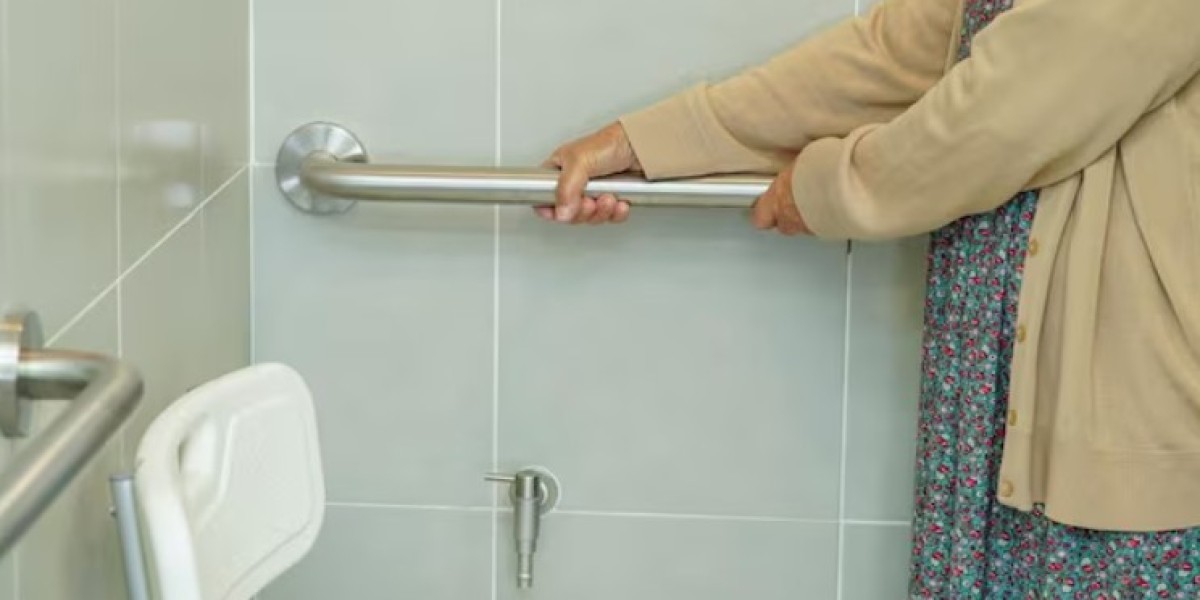
These bars are available in different lengths, shapes, finishes, and mounting configurations. Straight bars are commonly installed beside toilets and along shower walls, while angled or L-shaped designs can provide support from multiple directions. Some models feature textured surfaces to improve grip, especially when hands are wet.
The primary purpose of handicap grab bars is to provide a secure handhold during everyday movements. Their placement should reflect the user's height, reach, strength, and mobility needs. For example, someone who needs help lowering onto a toilet may benefit from a horizontal bar positioned nearby, while someone who has difficulty standing may need a different arrangement that supports pushing up safely.
Choosing the right grab bar involves more than selecting an attractive product. Its load rating, mounting hardware, installation surface, and location all influence how effectively it performs. Professional installation can help ensure the equipment is securely attached and positioned for practical use.
Benefits of Installing Shower Grab Bars
Showering can be one of the most challenging bathroom activities because water and soap make surfaces slippery. Stepping over a bathtub edge, turning under running water, and reaching for shampoo can all create situations where balance becomes difficult. Shower grab bars provide additional support during these movements.
One major benefit is improved stability. A properly installed bar gives users something secure to hold while entering or exiting a shower, changing positions, or standing on a wet surface. This support can help reduce the likelihood of losing balance, although grab bars should be combined with other appropriate safety measures.
Another advantage is increased independence. Individuals who previously needed assistance with every shower may feel more comfortable performing some activities on their own when suitable support is available. This can improve confidence, privacy, and quality of life.
Shower grab bars are also available in designs that complement different bathroom styles. Stainless steel, polished chrome, brushed finishes, and other options allow homeowners to coordinate safety equipment with existing fixtures. However, appearance should never take priority over strength, secure mounting, and ease of use.
For individuals who prefer seated showering, grab bars can work alongside a properly selected shower chair or bench. Together, these features can create a more accessible bathing environment while helping users manage fatigue and balance limitations.
Choosing the Right Grab Bars for Your Bathroom
Selecting appropriate grab bars begins with understanding the needs of the person who will use them. Someone with limited upper-body strength may require a different configuration from someone who mainly needs occasional balance support. The bathroom layout, available wall space, and type of shower or bathtub should also influence the decision.
Consider the following factors when choosing bathroom support bars:
- Length and shape: Straight, angled, and L-shaped bars provide different types of support depending on the location and movement involved.
- Grip and surface: Textured or non-slip gripping surfaces can make holding the bar easier when hands are wet.
- Material: Corrosion-resistant materials are generally suitable for humid bathroom environments.
- Weight capacity: Select products with appropriate load ratings and follow the manufacturer's installation requirements.
- Mounting method: The bar must be attached to a suitable structural surface using compatible hardware.
- Placement: The bar should be within comfortable reach without requiring awkward twisting, stretching, or bending.
It is important to remember that suction-cup handles are not equivalent to permanently mounted safety grab bars. Unless a product is specifically designed and approved for the intended support function, it should not be relied upon to bear body weight during transfers or to prevent a fall.
Professional Installation for Reliable Support
Even a high-quality grab bar may be unsafe if it is installed incorrectly. Proper installation is essential because the bar must withstand the forces created when someone leans on it, pulls themselves upward, or uses it to maintain balance.
A professional installer can assess the bathroom walls, identify suitable mounting locations, and determine the appropriate hardware for the surface. Depending on the construction, secure installation may require fastening into wall studs or using a properly designed mounting system for the specific substrate.
Tile bathrooms require particular attention because drilling in the wrong location can damage tiles or compromise the mounting surface. Installers must also consider plumbing lines, waterproofing, and the structural support behind the wall.
Professional placement can help ensure that handicap grab bars and shower grab bars are positioned for the user's actual movements rather than simply installed wherever space is available. This individualized approach can improve convenience and help avoid awkward hand positions.
After installation, the bars should be inspected according to the manufacturer's recommendations. Loose hardware, corrosion, movement, or visible wall damage should be addressed promptly. Grab bars should never be assumed safe simply because they appear firmly attached.
Creating a More Accessible Bathroom
Grab bars are most effective when they form part of a broader bathroom safety plan. Other improvements may include non-slip flooring, better lighting, handheld showerheads, accessible storage, and shower seating. These additions address different hazards and can make the room easier to navigate.
For example, placing frequently used toiletries within comfortable reach reduces unnecessary stretching. A handheld showerhead can make bathing easier for someone using a shower seat, while improved lighting can help people identify changes in floor level and locate fixtures.
Homeowners may also consider the height of bathroom fixtures, doorway clearance, and the space available for mobility aids. Individuals who use wheelchairs may need additional room to approach the toilet, turn around, or transfer safely. In these situations, an accessibility assessment can help determine whether grab bars alone are sufficient or whether further modifications are needed.
The best solutions are based on the user's current abilities and anticipated needs. Planning ahead can help homeowners avoid repeated renovations as mobility requirements change.
Maintaining Safety and Comfort Over Time
Bathroom safety needs can evolve because of aging, injuries, medical conditions, or changes in physical strength. Periodically reviewing the bathroom layout helps ensure that existing equipment continues to provide useful support.
Check that grab bars remain secure, surfaces are free from damage, and the surrounding area is uncluttered. Replace damaged components and follow product-specific maintenance instructions. Avoid hanging heavy objects from safety bars unless the manufacturer explicitly permits that use.
Family members and caregivers can also help by discussing which movements are difficult and identifying areas where additional support may be beneficial. Whenever possible, involve the person who will use the equipment in decisions about placement and design. Their feedback can make the finished space more practical and comfortable.
Conclusion
A safe bathroom supports independence, confidence, and everyday comfort. Installing handicap grab bars can help individuals with mobility limitations manage essential bathroom activities, while shower grab bars provide valuable support in areas exposed to water and slippery surfaces. When selected carefully and installed securely, these features can become an important part of an accessible home.
Combining appropriate grab bars with professional installation, improved lighting, slip-resistant surfaces, and thoughtful bathroom design creates a more supportive environment for people of different ages and abilities. By prioritizing individual needs and reliable construction, homeowners can make practical improvements that promote safer daily routines and greater peace of mind.