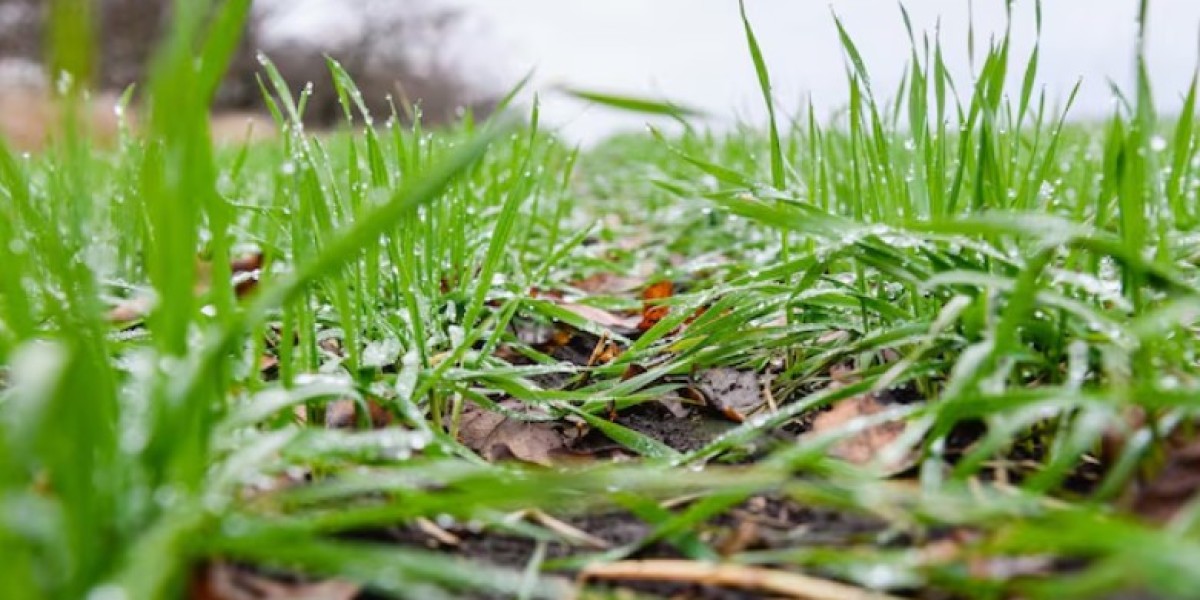

A thick, green lawn is one of the most attractive features of any outdoor space. It improves curb appeal, creates a comfortable place for family activities, and gives a property a clean, well-maintained appearance. However, maintaining healthy grass throughout the year can be challenging when a lawn develops thin patches, bare spots, compacted soil, or uneven growth. Regular watering and mowing are important, but they may not be enough to achieve the lush results many homeowners want. Combining aeration with overseeding can provide an effective solution for improving lawn density and supporting long-term grass health.
Understanding the benefits of grass overseeding after aeration and learning how to maintain the lawn afterward can help homeowners achieve better results. With the right timing, preparation, and maintenance practices, it is possible to encourage stronger roots, improve soil conditions, and create a fuller lawn that looks attractive throughout the growing season.
Understanding Lawn Aeration and Its Benefits
Lawn aeration is a process that reduces soil compaction by creating small holes throughout the lawn. Over time, regular foot traffic, outdoor activities, heavy equipment, and natural settling can cause soil particles to become tightly packed. When soil becomes compacted, air, water, and nutrients have difficulty reaching grass roots.
This situation can weaken the lawn and prevent grass from growing as thickly as desired. Aeration helps address the problem by creating channels through which essential resources can move more easily into the soil.
Core aeration is a popular method because it removes small plugs of soil from the ground rather than simply making holes. These openings allow roots to access improved growing conditions while helping the soil gradually recover from compaction.
Aeration can benefit lawns experiencing slow growth, poor water absorption, thinning grass, and increased susceptibility to environmental stress. Although aeration alone can improve growing conditions, combining it with overseeding can make the process even more beneficial.
Why Grass Overseeding After Aeration Is Important
Grass overseeding involves spreading new grass seed across an existing lawn without completely removing the established turf. It is particularly useful when grass has become thin, uneven, or damaged by seasonal conditions.
The process of grass overseeding after aeration takes advantage of the openings created during aeration. These holes provide favorable locations where some grass seeds can settle and establish contact with the soil. Good seed-to-soil contact is essential because grass seeds need suitable moisture, oxygen, and temperature conditions to germinate successfully.
When overseeding is performed after aeration, homeowners can introduce new grass plants into areas where the existing lawn has lost density. As the new grass grows, it can fill gaps, improve the lawn's overall appearance, and create a more uniform surface.
Overseeding can also help introduce grass varieties that are better suited to local growing conditions. Depending on the lawn's needs, homeowners may choose seed varieties selected for shade tolerance, durability, drought resistance, or seasonal performance.
For the best results, the seed should be appropriate for the existing grass type and local climate. Selecting suitable seed helps maintain a consistent appearance and reduces the likelihood of having noticeable differences in color or texture.
How Lawn Aeration for Thick Grass Improves Growth
Achieving a dense lawn requires more than adding new seeds. The existing grass must have access to the resources needed to grow strong roots and healthy blades. Lawn aeration for thick grass supports these goals by improving the growing environment beneath the surface.
When soil is compacted, grass roots may remain shallow because they cannot easily penetrate the ground. Shallow roots make grass more vulnerable to heat, drought, and other environmental stresses. Aeration helps loosen compacted areas, allowing roots to grow into the surrounding soil when conditions are favorable.
Improved soil access also helps water move into the root zone instead of collecting on the surface or running off. This can make irrigation more effective and help reduce areas that remain dry despite regular watering.
Air movement through the soil supports healthy root-zone conditions, while better access to nutrients can encourage stronger growth when combined with appropriate fertilization.
Lawn aeration for thick grass is particularly helpful for properties that experience frequent use. Lawns surrounding homes, play areas, walkways, and outdoor gathering spaces often experience greater soil compaction. Regular aeration can help these areas maintain better growing conditions and recover from everyday wear.
Choosing the Right Time for Aeration and Overseeding
Timing plays an important role in the success of lawn improvement projects. Grass grows best when soil temperatures, moisture levels, and seasonal conditions support active root development and seed germination.
For many cool-season grasses, early fall is an excellent time to aerate and overseed. Soil generally retains warmth from summer, while cooler air temperatures reduce heat stress. These conditions can encourage seed germination and give young grass time to develop before winter.
Early spring can also be appropriate in some regions, especially when lawns need recovery after winter damage. However, homeowners should consider local weather patterns, grass varieties, and the amount of time available for new grass to establish before summer heat arrives.
Warm-season grasses generally have different growth cycles and may benefit from aeration and seeding practices timed to their active growing period. The ideal schedule depends on the grass variety and local climate.
Avoid overseeding when extreme heat, prolonged drought, or heavy rainfall is expected. Unfavorable weather can interfere with germination, wash seeds away, or place unnecessary stress on young grass.
Preparing the Lawn Before Starting
Proper preparation helps aeration and overseeding produce more consistent results. Begin by examining the lawn for thin areas, bare patches, weeds, drainage problems, and signs of compacted soil. This inspection can help determine whether the entire lawn needs treatment or only specific sections.
Mow the grass to an appropriate height before aeration. Slightly shorter grass makes it easier to distribute seed evenly and allows more sunlight to reach the soil. Avoid cutting the grass excessively short, as doing so can create unnecessary stress.
Remove excessive debris, including fallen branches, thick layers of leaves, and other materials that may interfere with seed placement. If the lawn has a heavy layer of thatch, additional management may be necessary to help seeds reach the soil.
Watering the lawn lightly before aeration may help soften dry soil and make it easier for the aerator to remove soil plugs. However, the ground should not be excessively wet because saturated soil can be damaged by equipment.
After aeration, distribute the selected grass seed evenly across the lawn. Pay special attention to thin or bare areas, while avoiding excessive seed application that can cause overcrowding and competition among seedlings.
Watering and Caring for Newly Seeded Grass
Consistent moisture is one of the most important requirements for successful overseeding. Grass seeds need adequate moisture to begin germination, and young seedlings have limited root systems that cannot reach deep into the soil.
After completing grass overseeding after aeration, water the lawn gently to moisten the soil without washing seeds away. During germination, the upper layer of soil should remain consistently moist. Depending on rainfall, temperature, soil type, and drainage, this may require light watering more frequently than an established lawn needs.
As seedlings develop roots and begin growing, gradually adjust the watering schedule. Less frequent but deeper watering can encourage roots to grow farther into the soil once the new grass is sufficiently established.
Avoid excessive watering because constantly saturated soil can limit oxygen availability and increase the risk of disease. Monitor rainfall and adjust irrigation accordingly.
Minimize heavy foot traffic until the new grass becomes established. Avoid mowing newly seeded areas until the seedlings have reached an appropriate height for the selected grass variety. When mowing becomes necessary, use sharp blades and avoid removing too much grass at once.
Maintaining Results for Long-Term Lawn Health
Aeration and overseeding are valuable lawn care practices, but lasting results depend on ongoing maintenance. Regular mowing, appropriate fertilization, effective watering, and seasonal inspections all contribute to a healthier lawn.
Mow at the recommended height for the grass variety. Cutting grass too short can weaken plants, expose soil, and encourage weed growth. Leaving grass at a suitable height helps protect the soil and supports a fuller appearance.
Use fertilizer according to the lawn's needs, soil conditions, and grass type. A soil test can help identify nutrient deficiencies and prevent unnecessary fertilizer applications. Applying too much fertilizer can damage grass and contribute to environmental problems.
Monitor the lawn for weeds, pests, drainage issues, and recurring bare patches. If certain areas repeatedly struggle, investigate the underlying cause rather than relying solely on additional seed. Shade, poor drainage, soil compaction, and unsuitable grass varieties can all affect lawn density.
Homeowners should also adjust their care routines according to seasonal changes. Preparing the lawn before winter, monitoring moisture during summer, and scheduling aeration when conditions are favorable can help maintain steady progress.
Conclusion
A thick, healthy lawn requires suitable soil conditions, quality grass seed, and consistent maintenance. Combining aeration with overseeding addresses two important aspects of lawn care: improving the environment for root growth and introducing new grass where existing turf has become thin.
Grass overseeding after aeration helps seeds establish contact with the soil and encourages new growth in areas that need greater coverage. At the same time, lawn aeration for thick grass helps relieve compaction, improve water movement, and create better conditions for established grass and developing seedlings.
By choosing the right season, preparing the lawn carefully, watering consistently, and following appropriate maintenance practices, homeowners can improve lawn density and support healthier growth over time. With patience and a well-planned approach, aeration and overseeding can transform a struggling lawn into a greener, fuller, and more inviting outdoor space.