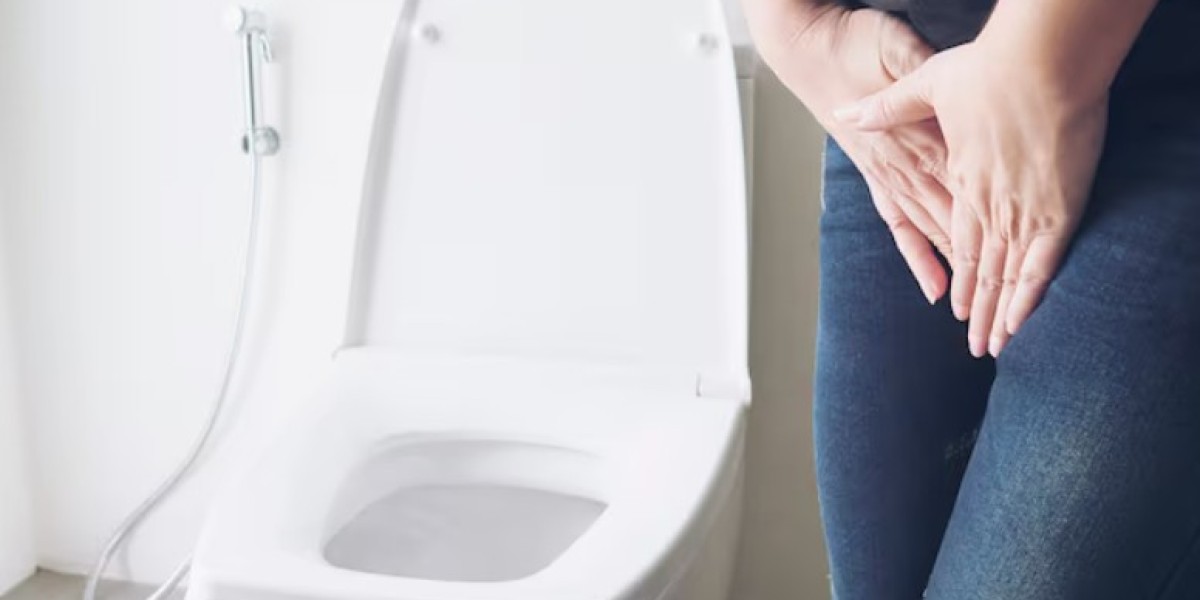

Urinary health plays an important role in a woman's comfort, confidence, and overall quality of life. However, many women experience bladder-related concerns that can affect their daily routines, social activities, exercise habits, and sleep. Two common issues are urinary leakage and an overactive bladder. Although these conditions can sometimes occur together, they may have different causes and require different approaches to management. Understanding the symptoms, identifying possible triggers, and exploring appropriate treatment options can help women take positive steps toward better bladder health.
What Is Urinary Leakage in Women?
Urinary leakage in women refers to the involuntary release of urine when a person does not intend to urinate. It is a common concern that may develop at different stages of life, including during pregnancy, after childbirth, around menopause, or as part of the natural aging process. Although urinary leakage can feel embarrassing, it is a health concern that deserves attention rather than something women should simply accept.
Several factors can contribute to urinary leakage. Weak pelvic floor muscles, hormonal changes, certain medications, urinary tract infections, and underlying bladder conditions may influence bladder control. In some cases, leakage occurs when pressure is placed on the bladder during activities such as coughing, sneezing, laughing, running, or lifting heavy objects. This is commonly known as stress urinary incontinence.
Other women may experience a sudden, intense urge to urinate followed by leakage before reaching the bathroom. This pattern is often associated with urgency urinary incontinence and may occur alongside an overactive bladder.
Recognizing the type of leakage is an important first step toward finding an effective management strategy.
Understanding Overactive Bladder in Women
An overactive bladder is a condition characterized by a sudden, difficult-to-control urge to urinate. Women with this condition may feel the need to visit the bathroom frequently during the day or wake up several times throughout the night. Some experience urine leakage when the urge becomes overwhelming, while others experience urgency without leakage.
Overactive bladder symptoms can interfere with work, travel, exercise, and social activities. Women may begin planning their day around restroom locations or avoiding long journeys because they are worried about finding a bathroom in time. Frequent nighttime urination can also interrupt sleep and contribute to daytime fatigue.
The condition may develop when the bladder muscle contracts involuntarily or when the communication between the bladder and nervous system does not function as expected. However, similar symptoms can result from urinary tract infections, excessive caffeine intake, certain medications, or other medical conditions. A healthcare professional can help determine the likely cause.
Understanding the relationship between urinary leakage women experience and overactive bladder women may develop is useful because the two concerns can overlap. Nevertheless, treatment should be based on the individual's symptoms and medical evaluation.
Common Causes and Risk Factors
Several factors may increase the likelihood of bladder control problems. Pregnancy and childbirth can place stress on pelvic floor muscles, which support the bladder and other pelvic organs. When these muscles become weakened or less coordinated, controlling urine during physical activity may become more difficult.
Menopause can also influence bladder health. Changes in estrogen levels may affect the tissues of the urethra and vagina, potentially contributing to urinary symptoms in some women. Age-related changes, obesity, chronic coughing, constipation, and previous pelvic surgery may also play a role.
Certain lifestyle habits can aggravate symptoms. Caffeine and alcohol may increase urinary urgency in some individuals, while drinking large amounts of fluid in a short period can make the bladder fill quickly. On the other hand, deliberately drinking too little water may lead to concentrated urine that irritates the bladder.
Neurological conditions, diabetes, and some medications can also affect urinary function. Because the possible causes vary, women should avoid assuming that all bladder symptoms are simply the result of aging.
Recognizing Symptoms Early
Identifying changes in bladder habits can help women seek appropriate care sooner. Common symptoms include leaking urine during physical activity, sudden urges to urinate, frequent bathroom visits, nighttime urination, and difficulty postponing urination.
Some women also experience a sensation that the bladder has not emptied completely. Others notice that their symptoms become more noticeable during stressful situations, after consuming caffeinated drinks, or when they are unable to reach a bathroom quickly.
Keeping a bladder diary can provide useful information. Women can record fluid intake, bathroom visits, episodes of leakage, urgency, and potential triggers over several days. This information may help a healthcare professional recognize patterns and recommend suitable treatment.
Sudden changes in urinary habits, painful urination, blood in the urine, fever, or pelvic pain require prompt medical attention. Inability to urinate requires urgent evaluation. These symptoms should not automatically be attributed to an overactive bladder.
Lifestyle Changes That Support Better Bladder Control
Simple daily adjustments can help some women manage urinary symptoms. One useful approach is to distribute fluid intake throughout the day rather than drinking large quantities at once. Adequate hydration remains important, so fluid restriction should not become excessive.
Reducing caffeine may help women who notice that coffee, tea, energy drinks, or other caffeinated beverages increase urgency. Alcohol and carbonated drinks may also trigger symptoms in some individuals. Tracking personal responses can help identify which changes are most useful.
Maintaining a healthy weight may reduce pressure on the bladder and pelvic floor. Preventing constipation through appropriate dietary fiber, hydration, and physical activity can also help reduce unnecessary pressure in the pelvic area.
Timed bathroom visits may be beneficial for women who urinate frequently because of urgency. Instead of waiting until the urge becomes overwhelming, they can establish a manageable schedule and gradually adjust it with professional guidance. Women should avoid repeatedly urinating just in case without a clear reason, as this habit may reinforce frequent bathroom trips for some individuals.
The Role of Pelvic Floor Exercises
Pelvic floor exercises, often called Kegel exercises, can help strengthen the muscles that support bladder control. These muscles play an important role in preventing leakage during activities that increase abdominal pressure.
To perform a Kegel exercise, a woman gently contracts the muscles used to stop passing gas. She holds the contraction briefly, then relaxes completely before repeating it. Breathing normally and avoiding excessive tightening of the abdominal muscles, thighs, and buttocks can improve technique.
Consistency is important because strengthening pelvic floor muscles takes time. Some women notice improvement after several weeks, while others require a longer period of practice.
However, pelvic floor exercises are not appropriate in the same way for everyone. Women with overly tight pelvic floor muscles or pelvic pain may need relaxation training rather than additional strengthening. A pelvic floor physical therapist can assess muscle function and provide personalized instruction.
Treatment Options for Persistent Symptoms
When lifestyle adjustments are not enough, several medical treatments may be available. Treatment for urinary leakage in women depends on the type of incontinence, symptom severity, underlying causes, and personal preferences.
For stress urinary incontinence, pelvic floor muscle training is often an initial treatment. Some women may benefit from professionally fitted support devices or other interventions recommended by a clinician.
For overactive bladder symptoms, bladder training and behavioral strategies are commonly considered first. Healthcare professionals may also prescribe medications that help relax the bladder or reduce urgency. These medications have potential side effects, so discussing benefits and risks is important.
In selected cases, treatments such as bladder injections or nerve stimulation may be considered when other approaches do not provide sufficient relief. Vaginal estrogen may be appropriate for certain postmenopausal women with related urinary or vaginal symptoms, depending on their medical history and clinical assessment.
The most effective treatment plan is one that addresses the underlying problem while fitting comfortably into a woman's daily life.
Improving Confidence and Quality of Life
Bladder control concerns can affect emotional well-being as much as physical comfort. Some women avoid social gatherings, exercise classes, travel, or intimate relationships because they fear leakage or sudden urgency. These concerns are understandable, but they do not have to determine a person's lifestyle.
Using suitable absorbent products when needed, identifying accessible restrooms, and wearing comfortable clothing may provide temporary reassurance while a treatment plan is developed. These practical measures can complement medical care but do not replace evaluation when symptoms persist.
Women should also feel comfortable discussing urinary symptoms with a healthcare professional. Open communication can help identify treatable conditions, clarify expectations, and reduce unnecessary embarrassment.
Conclusion
Urinary leakage and bladder urgency are common concerns, but they are not problems women must silently endure. Understanding the causes, recognizing symptoms, and making appropriate lifestyle adjustments can support better bladder health. For women experiencing urinary leakage women often associate with physical activity or an overactive bladder women may experience through sudden urgency, professional guidance can help identify the most suitable treatment options.
With individualized care, pelvic floor support when appropriate, healthy daily habits, and medical treatment when necessary, many women can improve bladder control and regain confidence in their everyday activities. The first step is recognizing the symptoms and seeking help when they begin to interfere with comfort, sleep, or quality of life.