
Buying equipment is an important step for many businesses. Whether you need new machines, office tools, vehicles, or other equipment, the right purchase can help your business grow. However, equipment can be expensive, and paying the full price at once may not be possible for every business owner. This is where financing can help.
Before choosing a loan, it is important to understand how much you will need to pay each month and how much the loan will cost over time. An equipment financing calculator can make this process easier. It helps you estimate loan payments, compare different financing options, and plan your business budget.
By using a calculator before applying for financing, you can make a better decision based on your needs and financial situation. In this article, we will explain how an equipment financing calculator helps you compare loan options and choose a suitable financing plan for your business.
What Is an Equipment Financing Calculator?
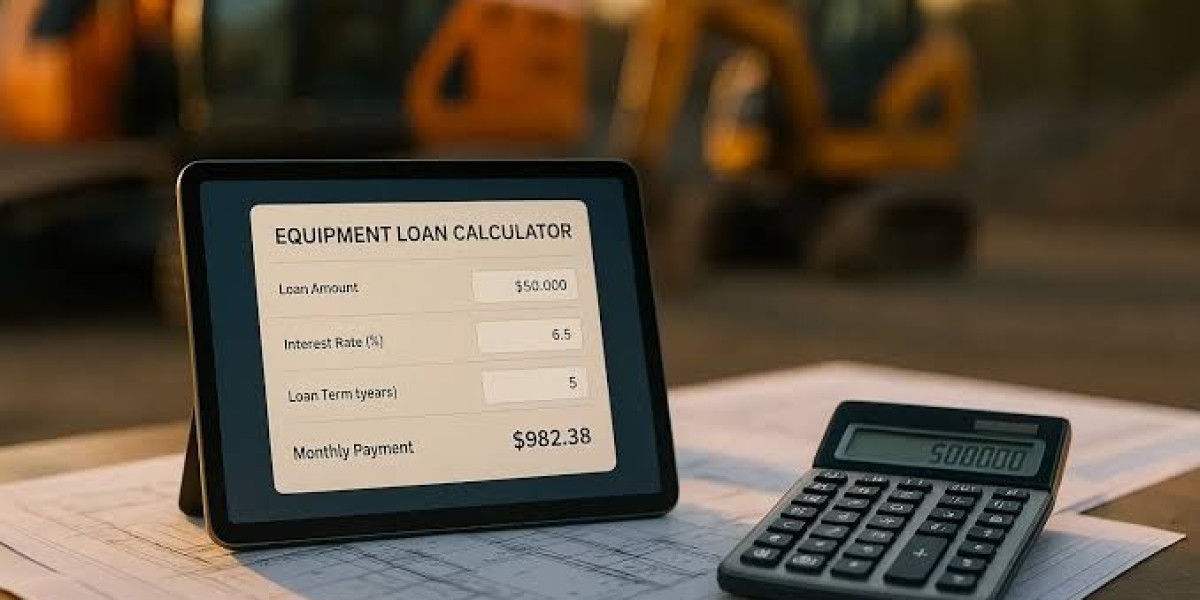
An equipment financing calculator is a simple online tool that helps business owners estimate the cost of financing equipment. You enter a few details, such as the equipment price, down payment, interest rate, and loan term. The calculator then estimates your monthly payments and the total amount you may pay over the loan period.
For example, suppose your business needs a machine that costs $30,000. You plan to make a down payment and finance the remaining amount through a loan. By entering these details into a calculator, you can get an idea of your possible monthly payment.
This information helps you understand whether the financing plan fits your budget before you submit a loan application.
How Does an Equipment Financing Calculator Help Compare Loan Options?
Different lenders may offer different interest rates, repayment periods, fees, and loan conditions. Comparing these details can be confusing when you have several financing offers to review.
An equipment financing calculator makes the process easier by allowing you to enter different loan details and compare the estimated results. You can change one factor at a time to see how it affects your payments.
For example, you can compare a loan with a shorter repayment period against one with a longer term. You can also check how a lower interest rate or a larger down payment may affect your financing costs.
This approach helps you understand the differences between loan options instead of choosing an offer based only on its advertised monthly payment.
Compare Monthly Payments Before Choosing a Loan
Monthly payments are one of the first things business owners consider when comparing financing options. Your payment should fit comfortably within your business budget while leaving enough money for other expenses.
An equipment financing calculator estimates your monthly payment based on the information you provide. You can use it to compare different loan amounts, interest rates, and repayment periods.
For instance, a loan with a longer repayment term may have lower monthly payments. This can help a business manage its regular expenses. However, a longer term may also increase the total interest paid over the life of the loan.
A shorter repayment term may require higher monthly payments, but it could reduce the total interest cost. Comparing these options helps you decide which payment structure works best for your business.
Understand the Total Cost of Equipment Financing
A low monthly payment does not always mean a loan is the cheapest option. Some financing plans may spread payments over a longer period, which can increase the total amount you pay.
An equipment financing calculator can help you estimate the total repayment amount and, depending on its features, the total interest cost. These figures give you a clearer picture of the financial commitment involved.
For example, two financing offers may have similar monthly payments but different repayment periods. The offer with the longer term could cost more overall, even if the monthly amount seems affordable.
When comparing loan options, look beyond the monthly payment. Consider the amount borrowed, total interest, repayment term, and any additional fees that may apply. This will help you understand the full cost of financing equipment.
See How Interest Rates Affect Your Loan
Interest rates play an important role in the cost of equipment financing. A higher interest rate generally increases the amount you pay to borrow money, while a lower rate may reduce your financing costs.
An equipment financing calculator allows you to test different interest rates and see how they may affect your monthly payments and total repayment amount.
For example, you can enter the same loan amount and repayment term with two different interest rates. The results will help you understand the possible cost difference between the offers.
Keep in mind that the rate you qualify for may depend on factors such as your credit history, business finances, time in business, and the lender's requirements. The calculator provides an estimate rather than a guaranteed loan offer.
Compare Short-Term and Long-Term Financing
The length of a loan can affect both your monthly budget and your total financing costs. Some businesses prefer shorter repayment periods because they want to repay the loan quickly. Others need longer terms to keep monthly expenses manageable.
An equipment financing calculator helps you compare these choices using the same loan amount and interest rate.
A shorter term usually means higher monthly payments, but the loan may be paid off sooner and could have a lower total interest cost. A longer term may reduce monthly payments, but you could pay more interest over time.
The best option depends on your business income, expected cash flow, and how quickly the equipment will generate value. Try different repayment periods to find a balance between affordable monthly payments and reasonable overall costs.
Calculate the Effect of a Down Payment
A down payment is the amount you pay upfront when purchasing equipment. Paying more at the beginning can reduce the amount you need to borrow.
An equipment financing calculator helps you understand how different down payments may affect your loan. You can enter several amounts and compare the resulting monthly payments.
For example, if you increase your down payment, the financed amount becomes smaller. This may reduce your monthly payment and the total interest you pay, depending on the loan terms.
However, using too much cash for a down payment may leave your business with less money for payroll, supplies, rent, and unexpected expenses.
Before deciding how much to pay upfront, review your available cash and regular business costs. The goal is to reduce borrowing costs without putting unnecessary pressure on your working capital.
Compare Financing Options for Different Equipment Prices
Businesses need different types of equipment depending on their industry and daily operations. Some purchases may cost a few thousand dollars, while others may require a much larger investment.
An equipment financing calculator allows you to compare loan estimates for different equipment prices. This is useful when you are deciding whether to purchase basic equipment or invest in a more advanced model.
You can enter the estimated price of each option, adjust the down payment, and review the expected monthly costs. This helps you understand how each purchase may affect your business finances.
It is also important to consider the equipment's expected useful life. Financing equipment over a period that is much longer than its useful life may create financial difficulties. Choose a repayment period that makes sense for both your budget and the expected value of the equipment.
How Can an Equipment Financing Calculator Help With Business Budgeting?
Good budgeting helps a business control expenses and prepare for future needs. Before taking on new debt, you should understand how the monthly payment will fit into your current financial plan.
An equipment financing calculator gives you an estimated payment that you can include in your monthly budget. You can then compare your expected income with expenses such as rent, wages, insurance, maintenance, and supplies.
This process can help you identify whether a financing plan is affordable or whether you need to consider a smaller loan amount.
You should also leave room for unexpected costs. Equipment may require repairs, replacement parts, or regular maintenance. Planning for these expenses can help protect your business from cash flow problems.
What Should You Check Beyond the Calculator Results?
Although an equipment financing calculator is helpful, it does not show every detail of a financing agreement. Different lenders may use different terms, fees, and approval requirements.
Before choosing a loan, review the complete offer carefully. Pay attention to the following details:
Additional fees: Check whether the lender charges application, processing, documentation, or other fees.
Repayment conditions: Understand when payments begin, how often they are due, and whether early repayment charges apply.
Interest rate type: Find out whether the interest rate is fixed or variable.
Collateral requirements: Check whether the equipment or other business assets must secure the financing.
Late payment rules: Understand the charges and consequences of missing a payment.
These details can affect the actual cost and suitability of a loan. Always compare the written financing terms with your calculator estimates before making a final decision.
Common Mistakes to Avoid When Comparing Loan Options
One common mistake is choosing a loan only because it has the lowest monthly payment. While smaller payments may help with cash flow, they can come with a longer repayment period and higher total interest costs.
Another mistake is entering incorrect information. If you use the wrong loan amount, interest rate, or repayment term, the results may not reflect your actual financing needs.
Some business owners also forget to account for extra costs, such as fees, maintenance, insurance, and equipment delivery. These expenses can affect the total amount required to purchase and operate the equipment.
To avoid these problems, use accurate figures, compare several financing scenarios, and review the full terms of each offer. Treat the calculator as a planning tool rather than a final approval or exact payment guarantee.
How to Use an Equipment Financing Calculator Effectively
Start by identifying the equipment you need and checking its expected purchase price. Next, decide how much you can comfortably pay upfront without affecting your daily business operations.
Enter the remaining amount, estimated interest rate, and possible repayment term into the calculator. Review the estimated monthly payment and total repayment amount, if available.
Repeat the process with different financing offers. Keep the loan amount consistent when comparing interest rates, and keep other factors consistent when comparing repayment terms. This makes it easier to understand what causes the difference in cost.
Once you have reviewed the estimates, compare them with your business budget and the written terms provided by lenders. This simple process can help you make a more informed financing decision.
Why Smart Business Credit Can Help You Make Better Financing Decisions
Smart Business Credit can support business owners as they explore financing needs and work toward stronger financial decisions. Understanding borrowing costs is an important part of preparing for equipment purchases.
Using an equipment financing calculator can help you estimate payments, review possible loan amounts, and understand how different repayment terms may affect your budget. With this information, you can prepare better questions before discussing financing with a lender.
Business owners should also review their financial records, understand their credit position, and consider how new debt may affect future business plans. Preparing these details can make it easier to evaluate available financing opportunities.
The right financing decision should support your business goals without creating unnecessary pressure on your cash flow.
Conclusion
Comparing loan options is an important step before financing business equipment. An equipment financing calculator helps simplify this process by estimating monthly payments, showing how interest rates affect borrowing costs, and allowing you to test different repayment periods and down payments.