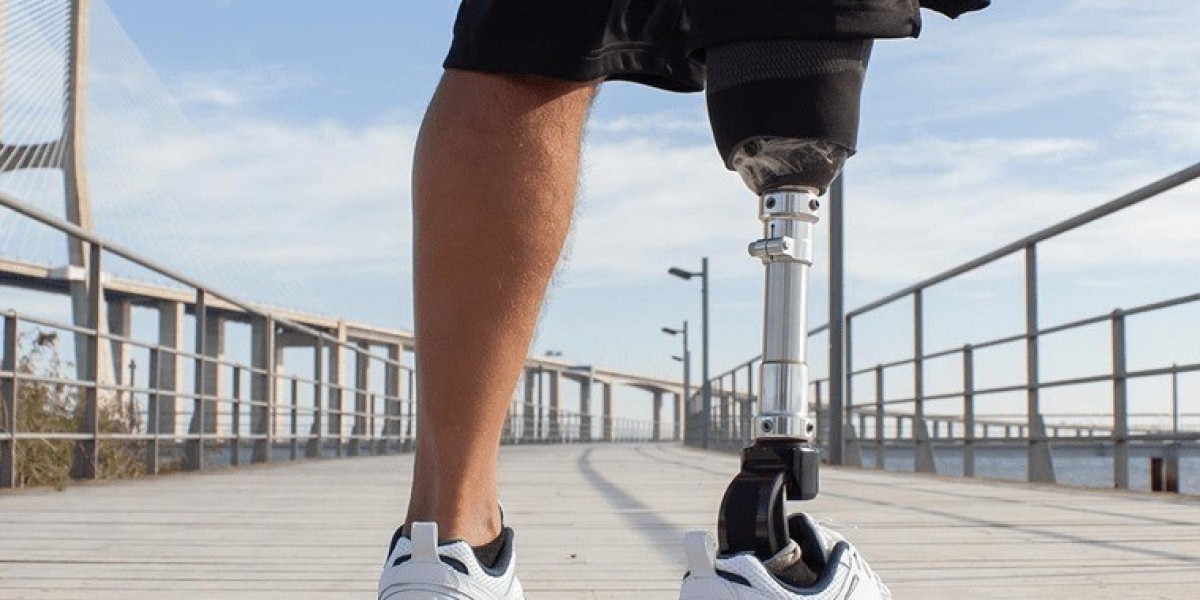

Losing a limb, or being born with a limb difference, is a life-changing experience, but modern technology has made it possible to regain mobility and independence. If you are exploring options at a Prosthetic Clinic in Dubai, it helps to understand the full process before your first appointment. This guide walks you through what to expect, from the initial assessment to daily life with your new prosthesis.
What Is a Prosthetic Limb?
A prosthetic limb is an artificial device designed to replace a missing arm, hand, leg, or foot. Today’s prostheses are lightweight, durable, and customized to match each person’s body, lifestyle, and goals. Some are designed for everyday walking, while others are built for sports, work, or specific activities.
The Step-by-Step Prosthetic Process
1. Initial Consultation and Assessment
The journey begins with a detailed evaluation by a qualified prosthetist. They review your medical history, the condition of your residual limb, your activity level, and your personal goals. This is also the right time to ask questions about comfort, appearance, and long-term care.
2. Measurements and Custom Design
Accurate measurements or a digital scan of your residual limb are taken to create a socket that fits securely and comfortably. A well-fitted socket is the most important part of any prosthesis, as it affects balance, movement, and skin health.
3. Fitting and Alignment
Once the prosthesis is ready, it is fitted and adjusted so that it aligns properly with your body. Small changes at this stage can make a big difference in how natural your movement feels.
4. Rehabilitation and Training
Learning to use a prosthetic limb takes time and practice. Physiotherapy and gait training help you build strength, improve balance, and gain confidence. Most people notice steady progress when they follow their therapy plan consistently.
Types of Prosthetic Limbs
Different needs call for different solutions. Common options include:
- Lower limb prostheses: Below-knee (transtibial) and above-knee (transfemoral) legs.
- Upper limb prostheses: Arms and hands, including cosmetic, body-powered, and myoelectric options.
- Sports prostheses: Specialized designs for running, swimming, or cycling.
- Pediatric prostheses: Adjustable devices that can be updated as a child grows.
Factors That Affect Prosthetic Cost
Prices vary depending on the type of limb, the materials used, the level of technology, and the amount of customization needed. Advanced options, such as microprocessor-controlled knees or myoelectric hands, generally cost more than basic mechanical devices. It is best to discuss your budget openly with your provider so they can recommend a solution that balances function, comfort, and value.
Tips for Living Comfortably With a Prosthesis
- Keep the residual limb clean and dry, and check your skin daily for redness or irritation.
- Wear the prosthesis gradually at first, increasing the time as your body adjusts.
- Attend regular follow-up visits for adjustments, since your body shape can change over time.
- Stay physically active and follow the exercises recommended by your therapist.
- Seek support from family, friends, or peer groups, because emotional well-being matters as much as physical recovery.
Conclusion
Getting a prosthetic limb is a process that combines medical expertise, advanced technology, and personal commitment. With the right guidance, proper fitting, and consistent rehabilitation, many people return to work, sports, and family life with confidence.
Choosing an experienced Prosthetic Clinic that offers personalized care, ongoing support, and modern solutions can make the journey smoother and the results more comfortable. Take your time, ask questions, and choose a team that listens to your goals.
Frequently Asked Questions (FAQs)
1. How long does it take to get a prosthetic limb?
The timeline varies, but it often takes a few weeks from the first assessment to the final fitting. Healing time, limb shape, and the complexity of the design all play a role.
2. Is wearing a prosthetic limb painful?
A properly fitted prosthesis should feel comfortable. Mild soreness can occur in the early stages, but ongoing pain should be reported to your prosthetist so adjustments can be made.
3. How long does a prosthetic limb last?
Most prostheses last between three and five years, depending on use, materials, and maintenance. Sockets may need adjustment or replacement sooner due to changes in the residual limb.
4. Can children use prosthetic limbs?
Yes. Children can use prostheses, and these are designed to be adjusted or replaced as they grow.
5. Can I play sports with a prosthetic limb?
Many people stay active in sports with the help of specially designed prostheses and proper training.
6. Do I need physiotherapy after getting a prosthesis?
Physiotherapy is highly recommended, as it helps improve balance, strength, and walking confidence.