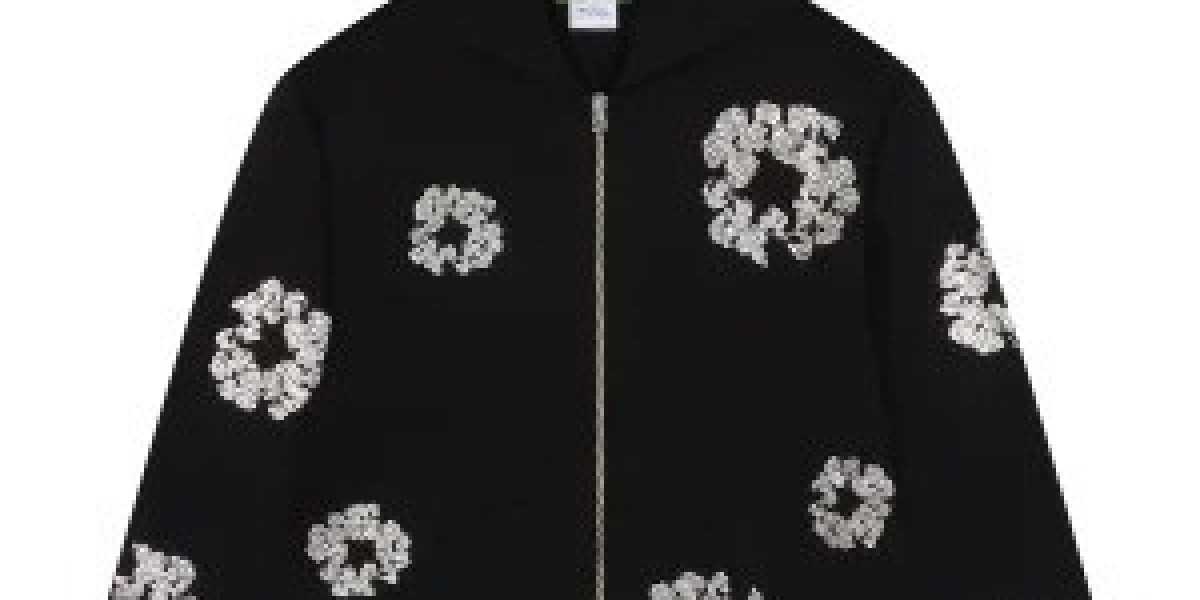

Denim Tears Clothing: The Real Story Behind the Cotton Wreath and Why It Matters
If you have spent any time around streetwear in the last few years, you have seen it. A hoodie, a pair of jeans, or a simple tee with a wreath made of cotton. It looks clean, almost elegant. But for anyone who knows the history, that wreath carries a weight that goes far beyond fashion. That is the world of Denim Tears.
This is not a brand that popped up overnight to chase a trend. It was built with a purpose, and once you understand that purpose, the clothes start to feel different when you put them on. Let us walk through what Denim Tears actually is, why it has become so sought-after in the US, and how to approach buying it without getting lost in the hype.
The Man Behind the Tears
Denim Tear Clothing was founded in 2019 by Tremaine Emory, a name that carries serious weight in both streetwear and contemporary art circles . Emory is not your typical designer. Born in Atlanta and raised in Jamaica, Queens, he spent years shaping culture from behind the scenes before ever putting his own name on a label .
His resume is wild. He co-founded the creative collective No Vacancy Inn, worked alongside Virgil Abloh, and even served a stint as the creative director of Supreme . But Denim Tears was different. It was personal.
The brand launched 400 years after the first known enslaved Africans arrived in America, and the name itself is intentional. It refers to cotton—the crop that built so much of the American economy on the backs of enslaved people—and the pain and suffering tied to it . Emory uses clothing as what he calls a "Trojan horse." You see a cool hoodie. He sees an entry point to a conversation about history that most people would rather skip .
The Cotton Wreath: More Than a Logo
The cotton wreath is the signature graphic. You will find it on hoodies, sweatpants, tees, and denim. It is simple: a circular arrangement of cotton bolls. But here is the thing. That image is not meant to be decorative.
For Emory, the wreath symbolizes the history of slavery and the ongoing story of the African Diaspora . When he first introduced it around 2020, it struck a nerve. It was provocative not because it was loud or aggressive, but because it was quiet and direct. It forced people to look at a symbol of pain rendered in a way that felt almost beautiful.
That tension is the whole point. Denim Tears does not scream at you. It makes you ask questions. And that is a big part of why the brand has resonated so deeply, especially with Black consumers in the US who see their own history reflected in a garment that is actually well-made and stylish .
From Levi's Collaborations to Standing on Its Own
For years, Denim Tears was best known for its work with Levi's. Starting in 2020, Emory used the classic Levi's 501 as a canvas to tell stories about Black biker culture, Mardi Gras Indians in New Orleans, and the legacy of cotton . Those collaborations were widely celebrated and helped establish the brand's reputation for storytelling through denim.
But in late 2025, something big happened. Denim Tears released its first fully in-house denim collection . This was not a collaboration. This was Emory finally doing it his way, from the ground up.
The debut range featured two core unisex silhouettes—straight and baggy—plus a Trucker jacket, all cut from heavyweight 14 oz. Japanese selvedge denim. The whole thing was cut, sewn, and washed at Saitex USA in Vernon, California . Prices ranged from $210 to $310, which, for Japanese selvedge made in the USA with this level of cultural intention, is actually reasonable.
Emory told the industry press that the plan is to keep expanding this core denim line and add seasonal styles, including denim for kids . So if you have been waiting for the moment to buy Denim Tears denim that is not a Levi's collab, that moment has arrived.
What It Actually Feels Like to Wear
Here is where the human side matters. You can read about the history all day, but what is the hoodie like?
The Cotton Wreath hoodie is the brand's most popular piece for a reason. It is cut with a relaxed, slightly boxy fit. It is not meant to hug your body. It is meant to sit away from the frame, giving the wreath graphic room to breathe . The fabric is heavyweight cotton fleece, so it has real structure. This is not a flimsy hoodie that loses its shape after three washes .
Sizing is pretty straightforward. Most people go true to size. The cut already has room built in. If you want an exaggerated oversized look, you can size up, but you will notice the sleeves and body running noticeably longer . For a standard, comfortable fit that still looks intentional, stick with your normal size.
The denim, meanwhile, is a different animal. The in-house Japanese selvedge is stiff at first, the way real raw denim should be. It breaks in over time and molds to your body. The straight and baggy cuts are both unisex, so the fit depends more on your proportions than on gendered sizing .
The Collaborations That Defined a Generation
You cannot talk about Denim Tears without mentioning the collaborators. Emory has worked with an astonishing range of names: Stüssy, Our Legacy, Corteiz, Dior, Ugg, and the artist Arthur Jafa . Each collaboration feels like a conversation rather than a cash grab.
The Stüssy link-ups, in particular, have become grail items. The two brands share a similar irreverent spirit, and the pieces they have produced together—especially those that merge Stüssy's SS link logo with the cotton wreath—are some of the most recognizable streetwear artifacts of the decade .
But the most culturally significant collaboration might be the one that never fully materialized. Emory has been outspoken about his departure from Supreme, alleging that he was prevented from using images by Arthur Jafa—including a photograph showing the scarred back of a formerly enslaved man—on Supreme apparel . That moment sparked a larger conversation about who gets to decide how Black trauma is represented in commercial spaces. Love him or disagree with him, Emory does not separate his art from his principles.
Why Denim Tears Matters for American Fashion
It is easy to be cynical about streetwear. So much of it is built on hype, scarcity, and logos with no meaning behind them. Denim Tear is different, and that difference is not just marketing.
The brand's pieces are now part of the permanent collection at The Metropolitan Museum of Art's Costume Institute . A cotton wreath hoodie sits alongside garments that historians will study for decades. That is not hype. That is legacy.
For American consumers, especially Black Americans, Denim Tears offers something rare: a brand that speaks directly to their history without pandering, and does so with genuine quality. Amanda Garfinkel, an associate curator at The Met, said the museum was drawn to "the strength of his point of view and his mission to highlight the stories and the histories of Black Americans" . That is about as clear a validation as a young brand can get.
And from a purely practical standpoint, the clothes hold up. The heavyweight fleece, the Japanese selvedge, the attention to cut and finish—these are not shortcuts. Emory could have slapped a wreath on cheap blanks and made a fortune. He chose not to.
How to Buy Denim Tears Without Getting Burned
Here is the honest part. Denim Tears Clothing is expensive, and because it is popular, there are fakes. A lot of them.
The safest place to buy is directly from Denim Tears' official website or from their flagship stores in New York and Atlanta . The brand also has a longstanding relationship with Dover Street Market, which carries select pieces . If you are buying on the resale market, be careful. StockX and similar platforms offer authentication, but even then, do your homework.
One red flag to watch for: if the price seems too good to be true, it almost certainly is. Denim Tears hoodies retail for well over $200, and the in-house denim starts around $210 . A "new with tags" hoodie for $80 is not a deal. It is a problem.
Also pay attention to the fabric weight. Authentic Cotton Wreath hoodies are heavy. If you pick one up and it feels thin or flimsy, walk away. The stitching on the wreath graphic should be clean and dense, not loose or frayed.
The Future of Denim Tears
Emory is not slowing down. The brand opened its first flagship in New York and has an Atlanta location, with plans for further expansion . A Tokyo store was announced for 2026, and Emory has talked about eventually opening in cities like Chicago, Houston, and Los Angeles to better serve the American customer base .
The SCAD Museum of Art recently opened a major retrospective of Emory's work, titled "Denim Tears From the Pool of Black Genius," which places his garments alongside works by artists like Arthur Jafa and Hank Willis Thomas . The show runs through January 2027, and it cements Emory's status not just as a designer but as a conceptual artist working in the medium of clothing.
Meanwhile, the brand continues to release new collections. The Fall/Winter 2026 range explores the style of the late André Leon Talley, the legendary Vogue editor and the first Black male creative director at the magazine . Pieces like the two-tone button-up shirt and croc-embossed leather gloves are a departure from the hoodie-and-denim formula, but they fit the same mission: using clothing to tell stories about figures who shaped culture.
Frequently Asked Questions
What is Denim Tears known for?
Denim Tears is known for its cotton wreath graphic, which symbolizes the history of slavery and the African Diaspora, and for founder Tremaine Emory's storytelling-driven approach to streetwear .
Who founded Denim Tears?
Tremaine Emory, a multidisciplinary artist and designer from Queens, New York, founded the brand in 2019 .
What does the cotton wreath mean?
The wreath represents cotton and its deep connection to slavery and the Black American experience. It is a symbol of history, pain, and resilience .
Does Denim Tears run true to size?
Yes, most pieces run true to size. The hoodies have a relaxed, slightly boxy fit, so sizing up is only necessary if you want an exaggerated oversized look .
Where is Denim Tears made?
The in-house denim collection is cut, sewn, and washed at Saitex USA in Vernon, California, using Japanese selvedge denim. Other garments are produced in various locations, including China .
Is Denim Tears a Black-owned brand?
Yes, it was founded by Tremaine Emory, a Black designer, and its mission centers on Black history and culture .
Why is Denim Tears so expensive?
The brand uses high-quality materials like heavyweight cotton fleece and Japanese selvedge denim, and its pieces are produced in limited quantities with a strong emphasis on design and storytelling .
Does Denim Tears restock sold-out items?
Restocks vary by product. Core items like the Cotton Wreath hoodie occasionally return, but many drops are limited and do not restock. Following the brand's official channels is the best way to stay informed.
Where can I buy authentic Denim Tears?
The safest options are the official Denim Tears website, their New York and Atlanta flagship stores, and authorized retailers like Dover Street Market .
What is the return policy for Denim Tears?
Return policies vary by item and retailer. Some items, like certain Cotton Wreath styles, are marked final sale and are not eligible for return or exchange . Always check the specific product page before purchasing.