
Walk into any home and you will find a few things the owner could never replace. A passport, a wedding ring, a folder of property papers, a small stash of savings. Most people keep these in a drawer and hope for the best. Safe deposit boxes give those items a proper home, but a lot of people hold back because they are not sure what is allowed inside. This guide covers what you can store, what you should leave out, and how to decide what is worth the space.
How Safe Deposit Boxes Work
You rent a small locked compartment inside a protected vault. Access is controlled, ID is checked at every visit, and only you and the people you name can open it. You keep ownership of everything inside. What you pay for is the space and the security around it.
The provider does not usually know what you store. That privacy is part of the appeal, but it also means the responsibility for choosing sensible contents sits with you.
The Short Answer: What Can You Store?
As a rule, anything valuable, small enough to fit and safe to keep in a sealed metal box. That covers legal papers, jewellery, precious metals, cash, sentimental items and digital backups. The details matter though, so let’s go through each group.
Important Documents
Paperwork is the number one reason people rent a box, and for good reason. Original documents take weeks or months to replace, and some cannot be replaced at all.
Safe Deposit Box for Documents
A safe deposit box for documents is a good fit for:
Wills, trusts and power of attorney papers
Property deeds and mortgage records
Passports, birth and marriage certificates
Insurance policies and pension paperwork
Business contracts and share certificates
Keep photocopies at home for everyday use. Tell your executor where the originals are, because a will nobody can find does not help anyone.
Jewellery and Watches
Jewellery is often worth a lot and means even more to the family. It is also small and easy to sell, which is why burglars look for it first.
Jewellery Safe Deposit Box
A jewellery safe deposit box works well for pieces you only wear on special occasions, such as wedding sets, inherited watches and formal necklaces. Collect an item before the event and return it the next day. Wrap each piece separately in soft cloth so nothing gets scratched.
Gold and Precious Metals
Gold coins, bars and chains hold value over time, and they are compact enough to fit easily inside a standard box.
Safe Deposit Box for Gold
A safe deposit box for gold keeps your holdings out of the house and out of conversation. Keep purchase invoices and weight records at home, not in the box, so you can prove ownership if you ever need to. Check your insurance too, because some policies set special limits on bullion.
Cash
Some people like to keep part of their savings in notes, whether for emergencies or personal reasons. It is allowed with most providers, but read your agreement first.
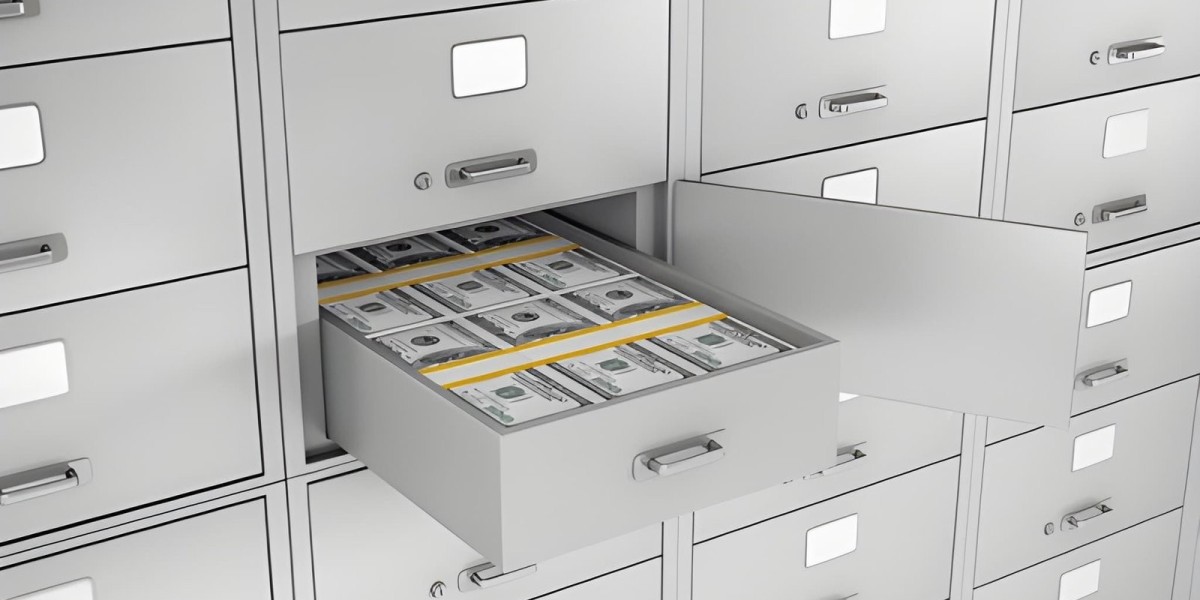
Cash Deposit Safe Box
A cash deposit safe box is far stronger than an envelope in a cupboard. Keep a private note of the amount you store, and remember that insurers often limit cover for cash. Do not store more than you could cope with losing.
Sentimental and Digital Items
Not everything in a box needs a high price tag. Ask yourself whether losing it would upset you for years.
Family photographs and old letters
Children’s keepsakes and baby jewellery
Backup hard drives and memory sticks
Spare house, car and office keys
Rare coins, stamps and collectables
Digital backups are easy to forget, yet they often hold the only copy of photos and financial records. A drive in a vault is protected from a house fire or a burglary at home.
What You Should Not Store
Every provider has a list of banned items, and it is there for safety. Common exclusions include:
Weapons, ammunition and explosives
Illegal items of any kind
Flammable or hazardous materials
Perishable goods, food and plants
Anything that smells, leaks or could damage other boxes
Live animals
If you are unsure about something, ask before you bring it. Providers would rather answer a quick question than deal with a problem later.
How to Decide What Goes in the Box
A simple three step check helps you sort things quickly:
Would it be expensive or difficult to replace?
Do you need it every week, or only now and then?
Would it be a problem if someone else saw it?
If the answer to the first or third question is yes, and the second is no, it belongs in the vault. Items you use every day are better kept at home.
Choosing the Right Box Size
Size affects your yearly cost, so it pays to plan.
Small boxes suit documents, a few rings and a hard drive
Medium boxes fit folders, watches, coins and a larger collection of jewellery
Large boxes are better for bars, boxed items and bulky paperwork
List everything first, then pick a size with a little room to spare. Moving up later is possible, but it is easier to get it right from the start.
Finding Storage Near You
A box close to home is a box you will actually use. If you are searching for a safe deposit box Bolton locals can reach without a long drive, a nearby vault makes regular visits simple. The same goes for anyone who wants a safe deposit box in chorley and prefers a provider who knows the area. When comparing options, ask about opening hours, security, fees and insurance, not just the price.
Mistakes to Avoid
Storing items without keeping a written list of what is inside
Keeping the spare key in the same place as the main key
Putting the only copy of important papers in the box with no backup
Forgetting to tell your family that the box exists
Assuming everything inside is insured automatically
Plan for Your Family
A box is only useful if your family can reach it when needed. Leave a short note with your executor that names the provider, your box number and where the spare key is kept. Review who has access every year, and update it after big life changes like marriage, divorce or the death of a named holder.
Final Thoughts
The best things to store are the ones you would struggle to replace and rarely need to touch. Documents, jewellery, gold, cash and keepsakes all fit that description, and a vault gives them protection a drawer never will. Take an hour to list what matters, pick the right size and tell your family where everything is. If you are ready to find a secure box that suits what you want to protect, The Post Vault can help you choose the right option.