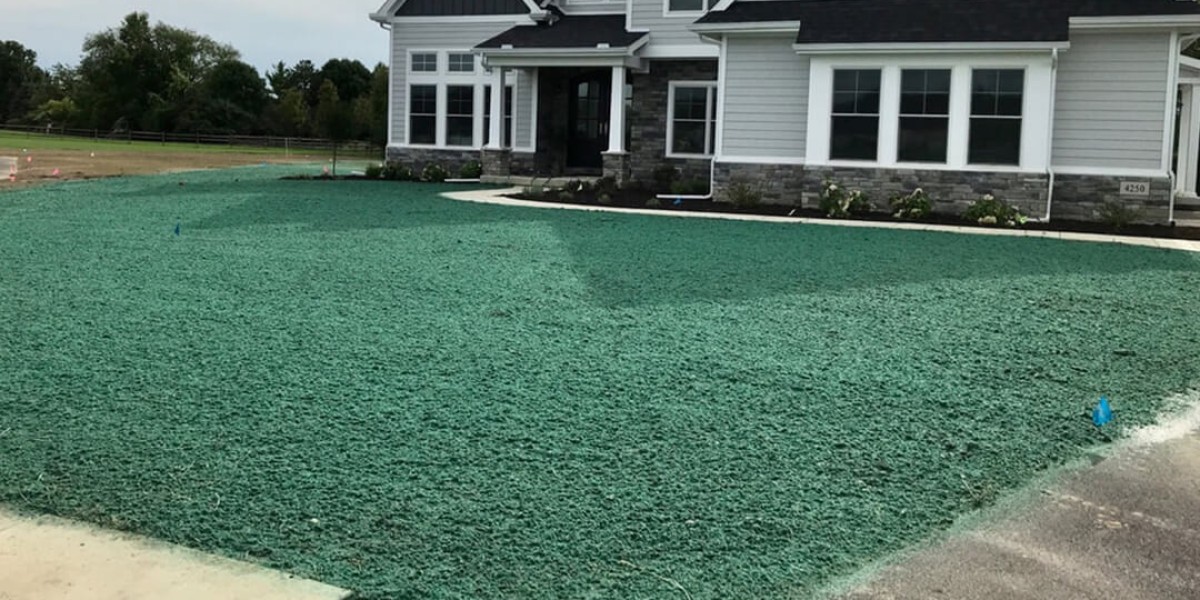

Creating a healthy, attractive landscape is an important investment for businesses, property developers, and commercial property managers. Whether you are improving an office complex, preparing a new construction site, or renovating the grounds around a retail center, choosing the right grass establishment method can influence your budget and long-term results. Commercial hydroseeding services offer an efficient way to cover large areas by applying a mixture of grass seed, water, mulch, and other suitable materials directly onto prepared soil. However, hiring the right contractor requires more than comparing prices or choosing the first company you find.
Before starting a project, property owners should understand how hydroseeding works, what preparation is necessary, and which factors affect the final results. The quality of the seed mixture, local growing conditions, application methods, and aftercare can all influence the success of a newly seeded lawn. Taking time to evaluate contractors and their proposed services can help you avoid unnecessary expenses and establish realistic expectations. Here are five important things to know before hiring a hydroseeding professional for your commercial property.
1. Understand the Hydroseeding Process and Its Benefits
Hydroseeding is a planting method that combines grass seed, water, fiber mulch, and sometimes fertilizer or a binding agent in a specialized tank. The mixture is sprayed over prepared ground using professional equipment, allowing contractors to distribute seed across large areas efficiently. The mulch helps retain moisture around the seeds and can reduce the impact of rainfall on exposed soil. When the application is properly planned and the site receives suitable care, this method can support consistent grass establishment across many types of commercial landscapes.
One of the main advantages of hydroseeding is its efficiency on large properties. Manually distributing seed across several acres can require considerable labor, while specialized equipment allows contractors to cover broad areas in a relatively short time. Hydroseeding can also be more affordable than installing sod across extensive grounds because it establishes grass from seed rather than using mature turf. However, the grass needs time to germinate and develop roots, so hydroseeding is not the best choice when a property requires an immediately finished lawn.
Commercial hydroseeding is commonly used for office parks, shopping centers, industrial facilities, roadside areas, and new construction developments. It can also help restore suitable ground disturbed by excavation or grading. Before choosing this method, consider the property's intended use, soil conditions, drainage, and available maintenance resources. A qualified contractor should explain whether hydroseeding is appropriate for your site and identify any additional preparation or erosion-control measures that may be needed.
2. Evaluate the Contractor's Experience and Reputation
The contractor you hire can significantly influence the quality of your hydroseeding project. Commercial properties often present different challenges from smaller lawns, including extensive coverage requirements, construction-related soil compaction, drainage concerns, and tight project schedules. Look for a company with experience handling projects similar in size and complexity to yours. A provider familiar with commercial landscaping should understand how to prepare large areas, select suitable grass seed, operate application equipment, and coordinate the work with other site activities.
Ask prospective contractors about their previous projects and request examples of completed work when available. References from commercial property owners, developers, or facility managers can help you understand the company's reliability, communication, and approach to problem-solving. It is also useful to ask how the contractor handles uneven growth, difficult soil conditions, and areas that require additional preparation. Clear, practical answers can help you assess whether the provider understands the technical requirements of your project rather than simply offering a standard application service.
Experience should also include knowledge of local climate and growing conditions. Grass varieties that perform well in one region may not be suitable for another because temperature, rainfall, sunlight, and soil characteristics vary. A reliable contractor should evaluate these factors before recommending a seed blend. Instead of promising instant results or guaranteed growth regardless of conditions, the company should explain realistic expectations and the maintenance practices required for successful establishment.
3. Compare Quotes, Materials, and Project Costs
Price is an important consideration when hiring commercial hydroseeding services, but the lowest quote does not always provide the best value. Project costs depend on the size of the area, site accessibility, soil preparation, seed selection, mulch materials, labor, and equipment requirements. Properties that need extensive grading, weed removal, topsoil installation, or drainage improvements may cost more to prepare than sites with suitable existing soil. Obtaining a detailed estimate helps you understand the work involved and plan your landscaping budget more accurately.
When comparing proposals, check whether each contractor includes the same services. One estimate may cover only the hydroseeding application, while another may include soil preparation, amendments, and recommendations for follow-up care. Ask which grass varieties will be used, what type of mulch is included, and whether the proposed mixture is appropriate for your property's conditions. These details matter because seed quality and proper preparation can influence the results just as much as the application itself.
You should also clarify potential additional expenses before signing an agreement. For example, irrigation improvements, erosion-control products, extra soil preparation, and reseeding may increase the total cost. Ask whether the contractor offers follow-up inspections or any written terms covering areas that fail to establish. Although no responsible provider can control every weather or soil condition, a transparent company should explain its responsibilities and your maintenance obligations. Comparing complete proposals rather than individual price figures makes it easier to identify the most suitable service.
4. Check Soil Preparation, Seed Selection, and Maintenance Requirements
Proper preparation is one of the most important factors in successful hydroseeding. Before the seed mixture is applied, the ground may need to be cleared of debris, weeds, and unwanted vegetation. Compacted soil may require loosening, while uneven areas may need grading to improve drainage and create a suitable planting surface. If the soil lacks appropriate nutrients or has other limitations, a contractor may recommend soil amendments or additional topsoil. Skipping these steps can lead to uneven germination, poor root development, and avoidable repair costs.
Seed selection should reflect the property's climate, sunlight exposure, soil type, and intended use. A commercial lawn around an office building may require different grass characteristics from a roadside slope or a large recreational area. Some varieties are better suited to full sunlight, while others tolerate partial shade or particular maintenance conditions. Ask the contractor why the recommended blend is appropriate for your property and whether the selected grass requires special watering or ongoing care. This discussion helps ensure that the landscape is designed for long-term performance rather than short-term appearance.
After application, the newly seeded ground needs appropriate moisture and protection. Watering requirements depend on the grass variety, temperature, rainfall, and soil conditions, so follow the contractor's specific recommendations. Too little moisture can interfere with germination, while excessive watering can wash away seed or create standing water. Foot traffic and mowing should also be limited until the grass is sufficiently established. Before hiring a company, make sure you understand who is responsible for watering, monitoring growth, and handling routine maintenance after the application is complete.
5. Consider Local Conditions and Find the Right Service Provider
Local conditions can make a substantial difference in the success of a hydroseeding project. Temperature fluctuations, rainfall patterns, soil composition, and seasonal growing periods all influence when grass seed should be applied. A contractor who understands the local environment can help select appropriate seed varieties and recommend a suitable application schedule. Planning the work around favorable growing conditions can improve the chances of successful establishment and reduce the risk of delays or additional seeding expenses.
For homeowners researching residential hydroseeding near me, many of the same considerations apply to smaller lawn projects. Residential properties may require attention to narrow access points, existing landscaping, shaded areas, or limited irrigation coverage. Although the scale differs from a commercial project, soil preparation, seed selection, and aftercare remain essential. When comparing providers, confirm that the company handles your specific property type and has the equipment and experience necessary to complete the work properly.
Commercial property managers should also consider communication, scheduling, and the contractor's ability to coordinate with other site activities. A company that provides clear timelines and practical instructions can make the process easier to manage. Ask how the team will access the property, protect nearby features, and handle any unexpected conditions discovered during preparation. A written proposal that defines the project scope, responsibilities, and maintenance expectations helps establish a clear working relationship and reduces the likelihood of misunderstandings.
Common Mistakes to Avoid When Hiring a Hydroseeding Company
One common mistake is choosing a contractor based entirely on price. A low estimate may exclude important preparation work or use materials that are not appropriate for the property's conditions. Another mistake is assuming that hydroseeding will produce a finished lawn immediately. Because the grass grows from seed, the establishment period depends on the selected varieties, weather, soil quality, and maintenance. Understanding these limitations helps property owners make realistic plans and avoid disappointment.
It is also important not to overlook irrigation and drainage. Even a carefully applied seed mixture can struggle if the soil dries out repeatedly or water washes across the site. Before work begins, discuss potential drainage problems and confirm that an appropriate watering plan is available. Businesses should also avoid allowing heavy equipment or unnecessary foot traffic onto newly seeded areas, as disturbance can damage the seedbed and affect the final coverage.
Finally, do not rely on verbal promises alone. Ask for a written estimate, a clear description of the materials, and specific instructions for maintaining the new lawn. Discuss what happens if certain areas fail to establish and whether any follow-up services are available. A professional contractor should be willing to explain the process, answer questions, and provide realistic guidance. Taking these precautions can help protect your investment and make the project easier to manage.
Conclusion
Hiring the right provider for commercial hydroseeding services requires careful evaluation of experience, pricing, preparation methods, seed selection, and maintenance responsibilities. Hydroseeding can be an efficient and cost-effective way to establish grass across large commercial properties, but successful results depend on more than the application itself. Suitable soil conditions, appropriate materials, favorable growing conditions, and consistent aftercare all contribute to a healthy landscape.
Before committing to a contractor, compare detailed estimates, ask about previous projects, and make sure the proposed approach matches your property's requirements. Understanding what is included in the service can help you avoid unexpected costs and establish realistic expectations for the finished lawn. Whether you are improving a commercial campus or exploring residential hydroseeding near me for a home project, choosing an experienced provider is an important step toward achieving reliable results.
With proper planning and professional guidance, hydroseeding can help create attractive outdoor spaces while supporting efficient landscape development. Taking the time to ask the right questions before hiring a contractor can help you make a confident decision, manage your budget, and build a foundation for healthy grass that serves your property for years to come.