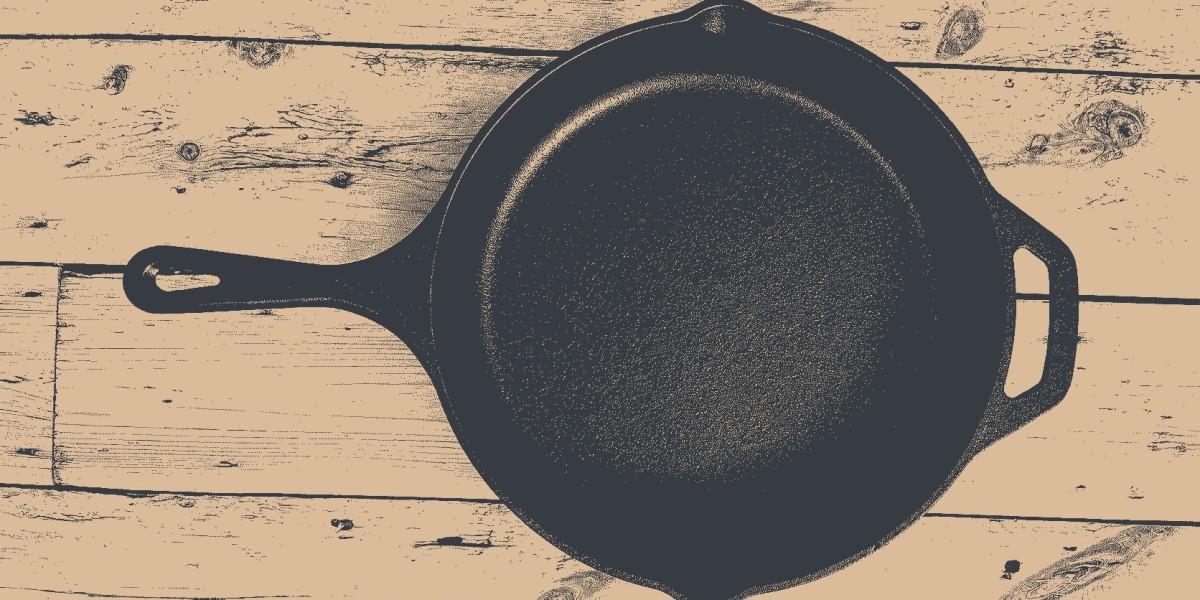

When buying a new frying pan, it is tempting to focus on how it looks, how much it costs, or whether food sticks to the surface. But there is another question worth asking before you spend your money. How well will the pan hold up after months or years of regular cooking?
Pre-seasoned cast iron and granite-coated pans offer two different approaches to everyday cooking. Cast iron is known for its solid construction, heat retention, and long service life when properly maintained. Granite-coated pans are generally lighter and designed to make cooking and cleaning more convenient.
Both can be useful in a home kitchen, but their strengths and weaknesses become more noticeable over time. If you are comparing them for durability, maintenance, and long-term value, understanding how each one is made and used can help you choose wisely.
What Is Pre-Seasoned Cast Iron Cookware?
Cast iron cookware is made from iron cast into the desired shape. It is widely used for skillets, griddles, Dutch ovens, and other cookware designed for regular cooking.
The term pre-seasoned means the manufacturer has already applied an initial layer of seasoning to the cooking surface. Seasoning is formed by heating a thin layer of oil on the iron, creating a protective coating that helps resist rust and supports food release.
Pre-Seasoned Cast Iron Cookware is appealing because you can usually begin cooking after following the manufacturer's first-use instructions. You do not have to complete the entire initial seasoning process yourself.
One of cast iron's biggest advantages is that its cooking surface can be maintained and renewed. If the seasoning wears down, it can often be restored rather than requiring you to replace the whole pan.
However, cast iron is not maintenance-free. It is heavy, takes time to heat, and needs to be dried thoroughly after washing. With the right care, though, it can remain useful for many years.
What Are Granite-Coated Pans?
Granite-coated pans are commonly made from aluminium or another metal with a coating designed to resemble the appearance of natural stone. The granite look does not necessarily mean the pan is made from solid granite.
Many products marketed as granite-coated cookware have a non-stick surface. The exact coating materials and construction vary between manufacturers, so it is important to check the product specifications instead of assuming every granite-style pan is identical.
These pans are popular because they are generally lightweight and easy to handle. Their non-stick surfaces can make cooking foods such as eggs, pancakes, and fish more convenient. Cleaning is often straightforward when the coating remains in good condition.
The main limitation is that the coating can wear or become damaged through unsuitable utensils, rough cleaning, overheating, or everyday use. Once the cooking surface deteriorates significantly, the pan may need to be replaced according to the manufacturer's guidance.
Which Pan Holds Up Better Over Time?
For long-term physical durability, cast iron generally has the advantage. Its main body is solid and does not depend on a thin non-stick coating to remain usable.
A cast iron pan can develop surface rust if it is left wet, and its seasoning can become patchy with poor care. These problems do not automatically mean the pan has reached the end of its life. Rust can often be removed, and seasoning can be rebuilt when the cookware is otherwise sound.
Granite-coated pans have a different durability challenge. The metal body may remain structurally sound while the cooking surface gradually loses its non-stick performance. Scratches, peeling, or other significant coating damage can affect how the pan should be used.
This does not mean every granite-coated pan wears out quickly. Quality, frequency of use, cooking temperature, and maintenance all make a difference. A well-made pan treated carefully may provide years of service.
Still, cast iron has an important advantage. Its seasoning can be renewed, while a damaged manufactured coating generally cannot be restored in the same way at home.
Heat Retention and Cooking Performance
Durability is not the only factor that matters. A pan should also perform well for the meals you prepare most often.
Cast iron heats up relatively slowly but holds heat exceptionally well once it is hot. This makes it useful for searing meat, browning vegetables, baking cornbread, and cooking dishes that benefit from a steady temperature.
Granite-coated pans, particularly those with aluminium bodies, usually heat up faster. This can be convenient when preparing breakfast or cooking a quick meal after work.
There is a trade-off, however. Cast iron's ability to retain heat can help maintain cooking temperatures when ingredients are added, although pan thickness, preheating, and burner size still matter. Granite-coated pans may be easier to manage for quick cooking, but their performance depends on the quality and thickness of the base.
Which performs better for high-heat cooking? Cast iron is often the stronger option for searing and sustained heat. For everyday cooking that prioritises speed and easy food release, a granite-coated pan may be more convenient. Always follow the manufacturer's temperature guidance, especially for non-stick surfaces.
Non-Stick Performance and Food Release
Granite-coated pans are often chosen because food releases easily from their non-stick surfaces. With suitable heat and a little oil when needed, they can make eggs, pancakes, and delicate foods easier to prepare.
Cast iron relies on seasoning rather than a factory-applied non-stick coating. A well-seasoned pan can release many foods effectively, but results depend on proper preheating, cooking temperature, ingredients, and surface condition.
For example, eggs may stick to cast iron if the pan is too cold, too hot, or inadequately seasoned. With practice, these issues can be managed, but beginners may find a granite-coated pan easier at first.
The difference becomes more important as the cookware ages. Cast iron seasoning can be refreshed when necessary. A granite-coated pan may gradually lose its easy-release performance as its coating wears.
If effortless food release is your main priority, granite-coated cookware may suit you better initially. If you are willing to maintain the seasoning and want a surface that can be renewed, cast iron offers a different kind of long-term practicality.
Cleaning and Maintenance Requirements
The way you clean your pan can have a major effect on how long it lasts.
Cast iron needs to be cleaned according to the manufacturer's instructions and dried thoroughly after washing. Leaving moisture on the surface can lead to rust. Depending on the pan's condition, applying a very thin layer of cooking oil after cleaning can help maintain the seasoning.
You should also avoid sudden temperature changes and unnecessary prolonged soaking. If the seasoning becomes damaged, additional seasoning may help restore the cooking surface.
Granite-coated pans are generally easier to clean after everyday meals. Food often comes away with a soft sponge and mild dish soap. However, abrasive scrubbers and harsh cleaning methods can damage the coating, and dishwasher use should depend on the manufacturer's instructions.
Both types benefit from gentle handling, but their care routines are different. Cast iron asks for attention to moisture and seasoning. Granite-coated cookware asks for care that protects its manufactured surface.
Weight and Everyday Convenience
A pan can be durable and still be inconvenient to use. Weight is worth considering, especially if you cook daily or have limited storage space.
Cast iron is heavy. A large skillet can become difficult to lift when full of food, and a Dutch oven can be particularly cumbersome. Its weight can feel reassuring during cooking, but it may not suit everyone.
Granite-coated pans are usually lighter, making them easier to move from the stove to the sink or cupboard. This can be a significant advantage for quick meals and everyday tasks.
Cast iron handles can become extremely hot, so suitable heat-resistant protection is essential. With granite-coated cookware, handle materials and oven safety vary by product, meaning you should check the instructions before placing a pan in the oven.
If convenience matters more than anything else, granite-coated cookware may fit your routine better. If you do not mind a heavier pan in exchange for long-term durability, cast iron is worth considering.
Which Offers Better Long-Term Value?
The purchase price tells only part of the story. A cheaper pan may be a good deal if it meets your needs and lasts, while a more expensive product is not automatically better value.
Cast iron can offer strong long-term value because it may remain usable for decades with appropriate care. Its seasoning can be maintained or renewed, so the cooking surface does not necessarily have a fixed lifespan.
Granite-coated cookware may cost less upfront and provide convenient cooking performance. However, if its coating wears out and the pan needs replacing, the long-term cost can increase. How soon that happens depends on the product's quality and how it is used.
When comparing prices, consider how often you cook, the types of meals you prepare, and how much maintenance you are willing to do. A pan that suits your routine is more likely to be used regularly and looked after properly.
For home cooks who want durable cookware and are comfortable with its care requirements, Pre-Seasoned Cast Iron Cookware can be a worthwhile investment. Granite-coated cookware may offer better practical value for people who prefer lighter equipment and simple cleanup.
How to Make Either Pan Last Longer
Regardless of which material you choose, a few habits can help protect your cookware.
Avoid overheating a non-stick granite-coated pan, and follow its recommended temperature limits.
Use utensils appropriate for the cooking surface. Wooden, silicone, or other manufacturer-approved utensils can help reduce damage.
Clean cookware using the recommended method instead of relying on harsh abrasives.
Dry cast iron thoroughly after washing and maintain its seasoning when needed.
Avoid sudden temperature changes, especially when cookware is very hot.
Store pans carefully to prevent scratches and damage from other kitchen items.
Follow the manufacturer's instructions for oven use, cleaning, and general care.
These steps cannot make every pan last forever, but they can reduce avoidable wear and help you get better use from your purchase.
Final Verdict on Cast Iron vs Granite-Coated Pans
Cast iron generally holds up better over the long term because its main cooking body is extremely durable and its seasoning can be renewed. It is particularly suitable for people who enjoy searing, oven cooking, and traditional cookware that can remain useful for many years.
Granite-coated pans offer a different set of benefits. They are usually lighter, easier to clean, and convenient for foods that benefit from a non-stick surface. Their main limitation is that the coating may wear out or become damaged, potentially shortening the pan's useful life.
Pre-Seasoned Cast Iron Cookware is likely to be the better choice if your priority is long-term durability and you are happy to maintain the surface. A granite-coated pan may be more suitable if you value lightweight handling and straightforward everyday cooking.
Before choosing, consider not only how the pan performs when new but also how it will age with regular use. The best option is the one that matches your cooking habits, maintenance preferences, and expectations for long-term value.