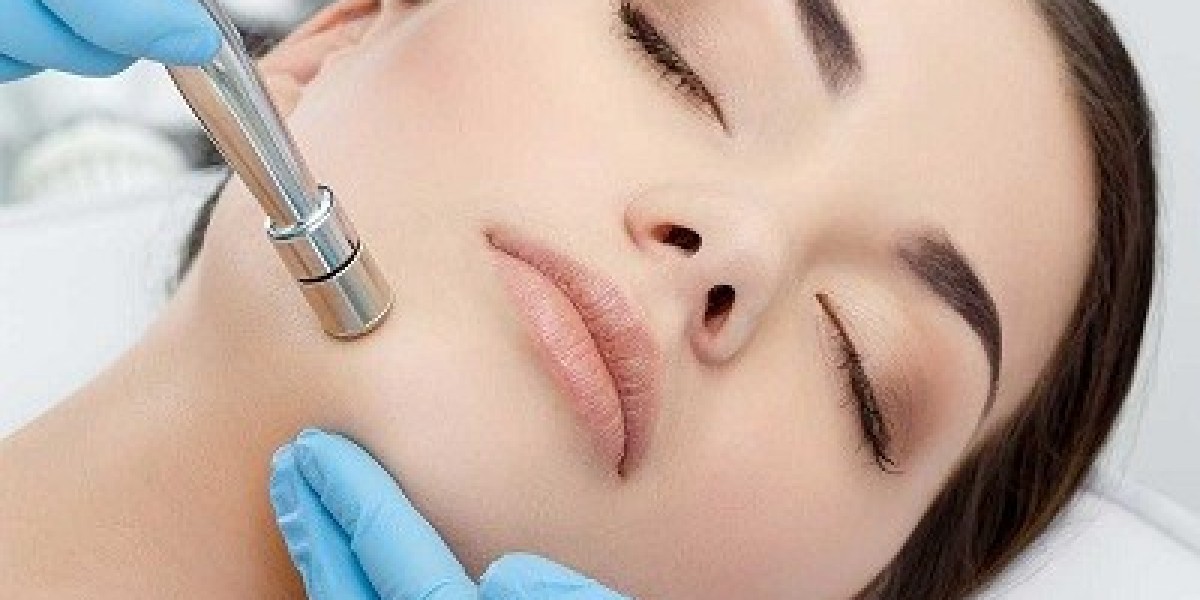

Healthy, glowing skin is often the result of consistent skincare and treatments that address specific skin concerns. Among the many available options, microdermabrasion and regular facials remain popular choices for people who want smoother texture, a brighter complexion, and a refreshed appearance. Although both treatments support skin maintenance, they work differently and offer distinct benefits.
For individuals considering Microdermabrasion in Muscat, understanding these differences can help them choose a treatment that matches their skin type, concerns, and skincare goals. A regular facial may be ideal for relaxation, hydration, and general maintenance, while microdermabrasion may be more suitable for those seeking targeted exfoliation and improvements in uneven skin texture.
Neither treatment is universally better than the other. The right choice depends on the condition of the skin, the desired results, and how much exfoliation the skin can comfortably tolerate.
1. What Is the Difference Between Microdermabrasion and a Regular Facial?
Microdermabrasion is a non-invasive cosmetic procedure that exfoliates the outermost layer of the skin. It typically uses a specialised device with a diamond-tipped or crystal-based applicator, combined with gentle suction, to remove accumulated dead skin cells. This process encourages a smoother surface and can make the complexion appear brighter and more even.
A regular facial is a broader skincare treatment that may include cleansing, exfoliation, steaming, extractions, facial massage, masks, and moisturising products. The exact steps depend on the facial type and the individual's skin needs.
The main difference lies in the treatment's primary purpose. Microdermabrasion focuses on mechanical exfoliation, whereas a traditional facial can address several skincare needs in one session.
For example, someone experiencing dullness and rough skin texture may benefit from microdermabrasion. Another person with dry, dehydrated skin may prefer a hydrating facial that restores moisture and supports the skin barrier.
Both treatments can contribute to a healthy-looking complexion when performed appropriately. However, they are not interchangeable, and the most suitable option depends on the individual's skin condition.
2. What Are the Benefits of Microdermabrasion?
Microdermabrasion is often selected by people who want to improve the appearance and feel of their skin without undergoing an invasive procedure. By removing surface-level dead skin cells, it can help create a smoother and more refined complexion.
Some of its main benefits include:
Improved skin texture: The treatment can reduce the appearance of mild roughness and uneven surface texture, leaving the skin feeling softer.
Brighter-looking complexion: A buildup of dead skin cells can make the face appear dull. Removing this surface layer may help the complexion look fresher and more radiant.
Reduction in the appearance of mild pigmentation: Microdermabrasion may gradually improve some superficial discoloration and uneven skin tone. However, results vary, and deeper pigmentation often requires a different treatment approach.
Softening the appearance of fine lines: By improving the skin's surface, microdermabrasion may make some fine lines less noticeable. It does not remove deep wrinkles or provide the same effects as more intensive resurfacing procedures.
Support for skincare routines: Exfoliation can help remove surface buildup, although it does not guarantee better absorption of every skincare product.
For those researching Microdermabrasion in Muscat, it is important to understand that results are generally gradual and modest. The procedure is not designed to treat every skin concern, and it is unlikely to produce dramatic changes after one session.
It may also be unsuitable for people with active acne inflammation, rosacea flare-ups, eczema, broken skin, or certain pigmentation disorders. A qualified skincare professional or healthcare provider should assess the skin before treatment, particularly when an underlying skin condition is present.
3. What Are the Benefits of a Regular Facial?
Regular facials offer a flexible approach to skincare because the products and techniques can be adjusted to different skin types. Unlike microdermabrasion, which primarily focuses on exfoliation, a facial can concentrate on hydration, cleansing, soothing, or improving the overall appearance of the skin.
Common benefits include the following.
Deep cleansing: A facial can help remove makeup residue, excess oil, sweat, and everyday impurities that accumulate on the skin's surface.
Hydration and nourishment: Moisturising products, serums, and masks can help relieve dryness and leave the skin feeling more comfortable and supple.
Gentle exfoliation: Depending on the facial, mild exfoliating products can remove dead skin cells without the same mechanical action used in microdermabrasion.
Temporary improvement in radiance: Cleansing, hydration, and appropriate exfoliation may leave the complexion looking fresher immediately after treatment.
Relaxation and comfort: Facial massage and a calming treatment environment can make the experience relaxing while supporting a regular self-care routine.
A facial can be particularly useful for people with dry or sensitive skin who need a treatment focused on moisture and comfort rather than intensive exfoliation. However, not every facial is gentle. Treatments involving aggressive extractions, strong exfoliating acids, fragrances, or unsuitable products may irritate sensitive skin.
The benefits depend on the techniques used and the suitability of the products. A facial should therefore be customised rather than selected solely because it is marketed for a particular skin type.
4. Microdermabrasion in Muscat: Which Treatment Is Better for Different Skin Concerns?
Choosing between microdermabrasion and a regular facial becomes easier when the decision is based on a specific skin concern rather than popularity alone. People exploring Microdermabrasion in Muscat should consider their current skin condition, climate-related skincare needs, and tolerance for exfoliation.
For dull and rough skin: Microdermabrasion may be the more targeted option because it removes dead cells from the skin's surface. A regular facial can also improve radiance, especially when dullness is associated with dehydration or product buildup.
For dry and dehydrated skin: A hydrating facial is often the better starting point. It focuses on moisture and skin comfort, whereas excessive exfoliation can worsen dryness and irritation.
For oily skin and clogged pores: A facial designed for oily or congestion-prone skin may help with cleansing and carefully selected extractions. Microdermabrasion may improve surface texture in suitable cases, but it is not a treatment for all forms of acne and should generally be avoided over inflamed breakouts.
For mild uneven skin tone: Microdermabrasion may offer modest improvements in superficial discoloration. However, pigmentation can have several causes, and mechanical exfoliation may aggravate some conditions, particularly melasma or skin prone to post-inflammatory hyperpigmentation.
For sensitive skin: A gentle, fragrance-free facial with minimal exfoliation may be more appropriate. Microdermabrasion can cause redness, tenderness, or irritation, making professional assessment especially important.
Muscat's hot weather and strong sun exposure also make daily sun protection an important part of skincare. Both exfoliating treatments and changes in the skin barrier can increase the importance of avoiding excessive sun exposure and applying broad-spectrum sunscreen with SPF 30 or higher.
The most suitable treatment is the one that addresses the actual concern without compromising the skin barrier.
5. What Should Someone Expect During and After Treatment?
Understanding the treatment process can help set realistic expectations and make the experience more comfortable.
During microdermabrasion, the skin is usually cleansed before a specialised device is moved across the treatment area. The sensation may feel like gentle scratching or suction. The procedure typically takes around 20 to 40 minutes, depending on the area being treated and the treatment plan.
Afterward, the skin may appear slightly pink or feel mildly sensitive. These effects are generally temporary, although irritation can last longer in some individuals. The skin should be treated gently, and harsh exfoliants, retinoids, or other potentially irritating products may need to be paused according to professional advice.
A regular facial generally begins with cleansing and may include exfoliation, extractions, masks, massage, and moisturising products. The duration and immediate effects vary depending on the facial type. Some people leave with hydrated, refreshed skin, while those who undergo extractions may experience temporary redness.
After either treatment, a simple skincare routine is usually the safest approach. A gentle cleanser, moisturiser, and broad-spectrum sunscreen can help protect the skin as it settles.
Sun protection is particularly relevant for people living in Muscat, where ultraviolet exposure can be substantial throughout the year. Direct sun exposure should be limited after exfoliating treatments, and sunscreen should be reapplied as directed.
Treatment frequency should also be individualised. Microdermabrasion may be performed as a course of sessions when appropriate, but more frequent treatment does not necessarily produce better results. Excessive exfoliation can damage the skin barrier, causing dryness, irritation, and increased sensitivity.
Similarly, regular facials should be scheduled according to skin needs rather than a rigid timetable. Persistent redness, burning, swelling, or worsening pigmentation after treatment warrants professional assessment.
6. How to Choose the Right Treatment and Maintain Results
The decision between microdermabrasion and a regular facial should begin with a clear understanding of the desired outcome.
Someone mainly concerned with surface roughness and dullness may consider microdermabrasion, provided the skin is healthy enough to tolerate mechanical exfoliation. Someone who wants hydration, relaxation, or gentle cleansing may find a traditional facial more suitable.
Before booking a treatment, it is helpful to consider the following factors:
Skin type and sensitivity: Dry, reactive, or easily irritated skin may need a gentler approach.
Existing skin conditions: Active acne, rosacea, eczema, cold sores, and certain pigmentation concerns may affect treatment suitability.
Recent skincare procedures: Recent chemical peels, laser treatments, or other resurfacing procedures may require a recovery period before additional exfoliation.
Current skincare products: Retinoids, exfoliating acids, and other active ingredients may increase irritation risk when combined with procedures.
Expected results: Microdermabrasion generally improves surface texture and radiance rather than deep scars, significant wrinkles, or persistent pigmentation.
Professional assessment: A qualified provider should review the skin, explain possible side effects, and recommend a suitable treatment plan.
Long-term results also depend on daily skincare habits. Gentle cleansing, regular moisturising, sunscreen use, and avoiding unnecessary exfoliation can help maintain a healthier-looking complexion. A balanced routine is often more valuable than repeatedly undergoing treatments that are not suited to the skin.
Ultimately, neither microdermabrasion nor a regular facial is automatically superior. Microdermabrasion is more specifically designed for surface exfoliation, while a facial offers a wider range of options for cleansing, hydration, and relaxation. For people considering Microdermabrasion in Muscat, a personalised assessment can help determine whether the procedure is appropriate or whether a gentler facial would provide greater benefits.
Frequently Asked Questions
1. Is microdermabrasion better than a regular facial?
Microdermabrasion may be better for improving mild surface roughness and dullness, while a regular facial may be more beneficial for hydration, cleansing, and relaxation. The best choice depends on the skin's condition and the desired results.
2. How long do the results of microdermabrasion last?
The immediate improvement in smoothness and radiance may last from several days to a few weeks, depending on the individual's skin, skincare routine, and environmental exposure. Maintaining results generally requires consistent skincare and appropriate treatment scheduling.
3. Is microdermabrasion suitable for sensitive skin?
Microdermabrasion may be too irritating for some people with sensitive skin, rosacea, or a weakened skin barrier. A professional assessment can help determine whether a gentler facial or another treatment would be safer.
4. Can microdermabrasion help with acne and acne scars?
It may improve mild surface irregularities in selected cases, but it does not treat all forms of acne or remove deep acne scars. Active inflammatory acne can worsen with mechanical exfoliation, so an appropriate treatment plan should be established before proceeding.
5. How often can microdermabrasion be performed?
The recommended interval depends on skin sensitivity, treatment intensity, and the individual's goals. Sessions are often spaced several weeks apart, but a qualified provider should recommend an appropriate schedule rather than relying on frequent exfoliation.
6. Is microdermabrasion safe in Muscat's hot climate?
It may be suitable for appropriate candidates, but sun protection is especially important in a sunny climate. Limiting direct sun exposure, using broad-spectrum sunscreen, and following aftercare instructions can help reduce irritation and pigmentation risks.
Read More About Microdermabrasion: https://lukoon.com/blogs/34993/Your-First-Microdermabrasion-Appointment-A-Simple-Guide