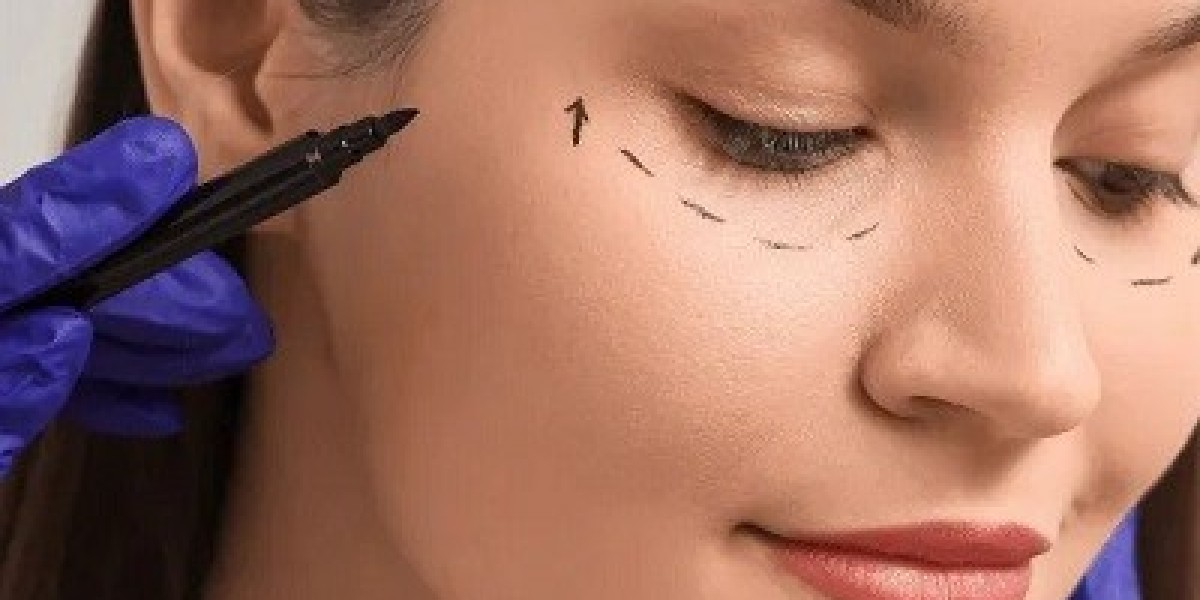

Eyelid surgery, also known as blepharoplasty, is a procedure that can address concerns such as drooping upper eyelids, excess skin, under-eye bags, and puffiness. Although it has become a widely discussed cosmetic and functional treatment, many people still have questions about what it involves. Misleading information can make it difficult to distinguish realistic expectations from common misconceptions.
For individuals researching Eyelid Surgery in Muscat, understanding the facts is an important first step towards making an informed decision. Some people worry that the procedure will dramatically change their appearance, while others believe it is only suitable for older adults or that recovery is always difficult. In reality, the suitability, results, and healing experience depend on individual anatomy, treatment goals, and the surgical approach.
The following five common myths explain what patients should know before considering eyelid surgery.
Myth 1: Eyelid Surgery Is Only for Older People
One of the most common misconceptions is that eyelid surgery is exclusively intended for older adults. While ageing is a frequent reason people consider the procedure, age alone does not determine whether someone may benefit from it.
The skin around the eyes is naturally delicate. Genetics, facial anatomy, lifestyle factors, and natural changes over time can all influence the appearance of the eyelids. Some people develop noticeable upper eyelid folds or under-eye bags earlier in adulthood, even when they are otherwise healthy.
Eyelid surgery may be considered by adults who have concerns such as:
Excess skin around the upper eyelids.
Puffiness or prominent fat pockets beneath the eyes.
Drooping eyelids that affect the appearance of the eyes.
Loose lower eyelid skin or wrinkles.
Upper eyelid skin that interferes with the field of vision.
In some cases, excess upper eyelid skin can affect everyday activities, including reading or seeing comfortably in certain directions. Functional concerns may therefore be as important as cosmetic preferences.
However, being concerned about the appearance of the eyelids does not automatically make someone a suitable candidate. A professional assessment considers eye health, skin quality, medical history, and the underlying cause of the concern.
The truth: Eyelid surgery is not limited to older adults. Suitability depends on individual needs, anatomy, and overall health rather than a particular age group.
Myth 2: Eyelid Surgery Always Makes the Eyes Look Different
Another common concern is that eyelid surgery will completely change the shape or expression of the eyes. Some people avoid exploring the procedure because they worry about looking unnatural or losing the facial features that make their appearance distinctive.
In reality, the aim of a carefully planned eyelid procedure is generally to address specific concerns while maintaining natural-looking facial characteristics. The approach depends on whether the patient needs upper eyelid surgery, lower eyelid surgery, or a combination of both.
Upper eyelid surgery may involve removing excess skin or adjusting underlying tissue to create a less heavy appearance. Lower eyelid surgery may focus on repositioning or removing fat that contributes to under-eye bags. The exact technique depends on the patient's anatomy and treatment goals.
A natural-looking outcome requires attention to several details:
Individual eye shape: The existing eyelid structure should guide surgical planning.
Skin and tissue quality: Skin elasticity and the amount of excess tissue influence the approach.
Facial proportions: The eyelids should remain balanced with the surrounding facial features.
Realistic treatment goals: Surgery should address specific concerns rather than attempt to create an entirely different appearance.
Removing too much skin or making unsuitable adjustments can create an unnatural result or interfere with eyelid function. This is why careful assessment and appropriate surgical planning are essential.
The truth: Eyelid surgery does not have to create a dramatic change. The goal is generally to improve the targeted concern while preserving the patient's natural appearance and eyelid function.
Myth 3: Eyelid Surgery Is Extremely Painful
Fear of pain is another reason some people hesitate to consider eyelid surgery. The thought of undergoing a procedure around such a delicate area can naturally cause concern. However, the procedure itself is generally performed with anaesthesia to minimise discomfort.
Depending on the surgical plan and the patient's circumstances, local anaesthesia may be used alone or alongside sedation. General anaesthesia may be considered for certain procedures. The appropriate option is determined during the pre-operative assessment.
After the procedure, patients may experience temporary symptoms such as:
Mild to moderate soreness.
Tightness around the eyelids.
Swelling and bruising.
Tenderness near the incision areas.
Temporary dryness or watering of the eyes.
These symptoms are generally part of the healing process and tend to improve gradually. Cold compresses, head elevation, prescribed medication, and careful wound care may help make recovery more comfortable when used according to professional instructions.
It is also important to recognise that recovery experiences vary. The amount of tissue treated, the surgical technique, and individual pain sensitivity can influence how patients feel afterward.
Severe or worsening pain should not be considered normal. Sudden vision changes, significant swelling, or persistent bleeding require prompt medical assessment.
The truth: Patients generally do not feel pain during eyelid surgery because anaesthesia is used. Some discomfort can occur afterward, but it is usually manageable with appropriate aftercare.
Myth 4: Eyelid Surgery Leaves Obvious and Permanent Scars
The idea of visible scars around the eyes can be worrying, especially for people who want to improve their appearance without drawing attention to having undergone surgery.
Like any surgical procedure involving an incision, eyelid surgery can leave scars. However, their visibility depends partly on where the incisions are placed, how the tissues heal, and the surgical technique used.
For upper eyelid surgery, incisions are commonly placed within the natural eyelid crease. When the area heals, the resulting scar may blend with the existing fold.
For some lower eyelid procedures, the incision may be placed just beneath the lower lash line. In other cases, an incision may be made inside the lower eyelid, depending on the treatment approach. The latter technique avoids an external skin incision but is not suitable for every patient.
During healing, incision lines may initially appear pink, slightly raised, or more noticeable. Over time, they generally become less prominent as the skin matures. The process can take several months, and individual results vary.
Patients can support healing by:
Following all wound-care instructions.
Avoiding unnecessary rubbing or stretching of the eyelids.
Protecting healing skin from excessive sun exposure as advised.
Avoiding smoking and nicotine, which can interfere with healing.
Attending recommended follow-up appointments.
It is important to understand that scars cannot be guaranteed to disappear completely. Some people may develop more noticeable scars because of their skin characteristics or healing response.
The truth: Eyelid surgery involves incisions, but they are often positioned in natural folds or discreet locations. Scars generally become less noticeable over time, although individual healing varies.
Myth 5: Eyelid Surgery Results Are Temporary and Do Not Last
Some people believe that eyelid surgery provides only a short-term improvement and that the same concerns will return quickly. This misconception overlooks the lasting structural changes that can result from removing or repositioning excess tissue.
Eyelid surgery can provide long-lasting improvements, particularly when excess skin or prominent fat pockets are addressed appropriately. However, it does not stop the natural ageing process.
Over time, the skin may gradually lose elasticity, facial tissues may change, and new wrinkles or puffiness may develop. These changes can affect the eyelid area even after a successful procedure.
The longevity of the results depends on several factors:
Natural ageing: Skin and facial tissues continue to change over time.
Genetics: Inherited characteristics can influence skin elasticity and under-eye fullness.
Lifestyle habits: Smoking, sun exposure, and general health may affect skin quality.
Original anatomy: The patient's eyelid structure can influence how the results evolve.
Surgical approach: The technique and extent of treatment affect the type of improvement achieved.
Some patients may enjoy their results for many years without needing another procedure. Others may notice gradual changes as they age. Revision surgery is not automatically necessary, and further treatment should only be considered after an appropriate assessment.
The truth: Eyelid surgery can offer long-lasting results, but it cannot prevent future ageing or guarantee that the eyelids will never change again.
What Should Patients Consider Before Eyelid Surgery?
Once common myths have been addressed, patients can focus on the practical factors that matter when deciding whether the procedure is appropriate.
A detailed consultation is an important part of the process. It helps establish whether the concern is caused by excess skin, fat distribution, muscle changes, or another condition that may require a different approach.
Patients should be prepared to discuss their medical history, medications, allergies, previous eye procedures, and any existing eye conditions. Dry eyes, thyroid-related eye problems, and certain other conditions may influence surgical planning and should be disclosed.
It is also useful to discuss:
Whether upper eyelid surgery, lower eyelid surgery, or both may be appropriate.
The expected benefits and limitations of the recommended procedure.
Possible risks, including asymmetry, infection, dry eyes, difficulty closing the eyelids, and changes in vision.
The expected recovery period and activity restrictions.
How scars may develop and mature.
Whether the procedure is intended to address a cosmetic concern, a functional concern, or both.
Patients should also have realistic expectations. Eyelid surgery can address specific features around the eyes, but it cannot correct every sign of ageing or replace treatments for unrelated skin concerns.
Frequently Asked Questions
1. What is the main purpose of eyelid surgery?
Eyelid surgery is designed to address excess skin, puffiness, and certain structural changes around the upper or lower eyelids. It may be performed for cosmetic reasons or, in some cases, to improve vision when excess upper eyelid skin obstructs the visual field.
2. Is eyelid surgery suitable for younger adults?
Yes, some younger adults may be suitable candidates if they have concerns such as genetically influenced under-eye bags or excess eyelid skin. A professional assessment is necessary to determine whether surgery is appropriate.
3. How long does recovery from eyelid surgery take?
Initial swelling and bruising commonly improve over the first one to two weeks, although some residual swelling or tightness may last longer. Incision lines can take several months to mature fully. Recovery varies between individuals.
4. Will eyelid surgery remove all wrinkles around the eyes?
No. Eyelid surgery primarily addresses excess skin and certain tissue changes. It may improve some wrinkles caused by loose skin, but it does not remove every fine line or treat all signs of ageing around the eyes.
5. Can eyelid surgery affect vision?
In some cases, removing excess upper eyelid skin can improve vision if that skin was obstructing the visual field. However, surgery also carries potential risks involving the eyes, including dryness, difficulty closing the eyelids, and, rarely, serious vision complications. These risks should be discussed before treatment.
6. How can patients maintain their eyelid surgery results?
Patients can support long-term skin health by protecting the area from excessive sun exposure, avoiding smoking, maintaining healthy lifestyle habits, and following appropriate skincare advice. Natural ageing will continue, so results may gradually change over time.
Final Thoughts
Eyelid surgery is often surrounded by misconceptions about age, pain, scars, appearance, and the longevity of results. Understanding the facts helps patients approach the procedure with more realistic expectations and less uncertainty.
The most important consideration is whether the treatment addresses a genuine concern and is suitable for the individual's eye health, anatomy, and goals. A thorough consultation can explain the available techniques, potential benefits, possible complications, and expected recovery.
With informed decision-making and appropriate aftercare, patients can better understand what eyelid surgery may achieve and decide whether it is the right option for them.
Read More About Eyelid Surgery in Muscat: https://hub.evangetic.com/blogs/9029/Does-Insurance-Cover-Eyelid-Surgery-for-Drooping-Eyelids