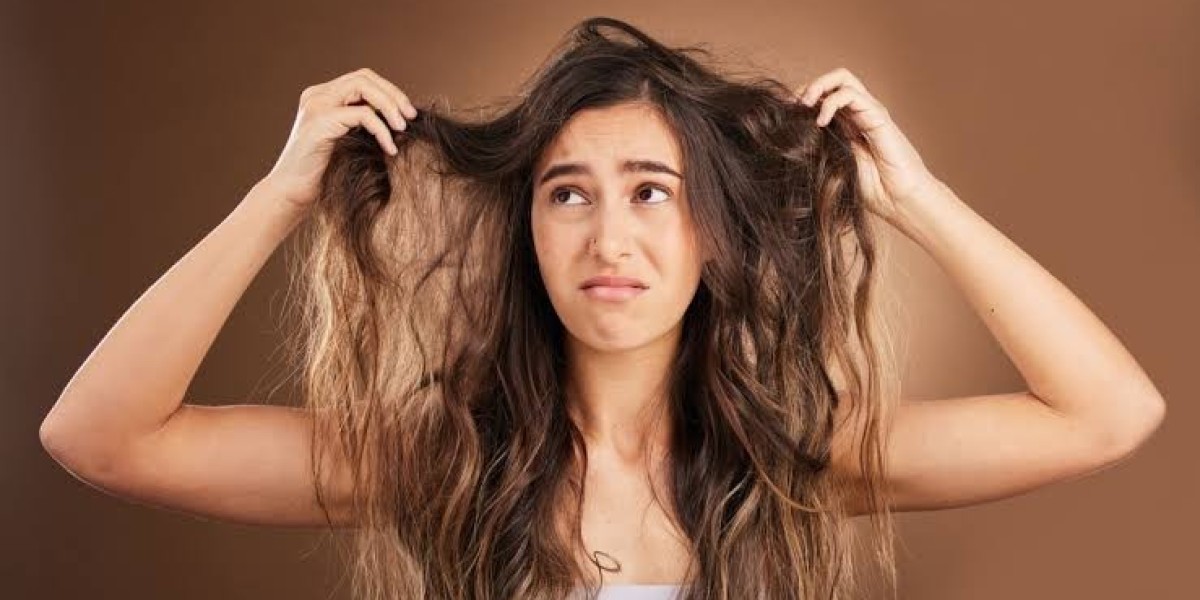
Frizzy hair is a common hair concern for both men and women. Whether your hair is straight, wavy, curly, or thick, frizz can make it look dry, rough, tangled, and difficult to manage. Many people struggle with frizzy hair, especially during humid weather, after washing their hair, or when using heat-styling tools.
Understanding the causes of frizzy hair is the first step towards healthier, smoother, and more manageable hair. Frizz does not always mean your hair is damaged. Sometimes, it happens because of environmental conditions, lack of moisture, improper hair care, or natural hair texture.
In this guide, we will explore the most common causes of frizzy hair, explain why they happen, and share practical ways to reduce frizz naturally.
1. Lack of Moisture in the Hair
One of the most common causes of frizzy hair is dryness. When your hair does not have enough moisture, the outer layer, known as the cuticle, can become raised or rough. This allows moisture from the surrounding air to enter the hair shaft unevenly, making individual strands swell and appear frizzy.
Dry hair may also feel rough, look dull, and become difficult to comb.
Common reasons for hair dryness include:
Washing hair too frequently.
Using harsh shampoos.
Not conditioning after shampooing.
Spending too much time in the sun.
Using excessive heat on your hair.
How to manage it: Use a gentle, moisturising shampoo and a nourishing conditioner. Applying a suitable hair oil or leave-in conditioner can also help reduce dryness and improve softness.
2. Humidity and Weather Conditions
Humidity is another major reason behind frizzy hair. When the air contains high levels of moisture, dry or porous hair absorbs water from the atmosphere. This causes the hair strands to swell and disrupts their natural shape.
That is why hair that looks smooth indoors may become frizzy when you step outside.
In Pakistan, humid weather, particularly during the monsoon season and in coastal areas, can make frizz more noticeable.
How to manage it:
Use an anti-frizz serum or leave-in conditioner.
Avoid brushing dry, curly hair excessively.
Choose hairstyles that help control loose strands.
Protect your hair from excessive humidity when possible.
3. Excessive Heat Styling
Frequent use of hair dryers, straighteners, and curling irons can damage the hair cuticle. High temperatures remove moisture from the hair and weaken its structure over time.
Repeated heat exposure may lead to split ends, breakage, rough texture, and persistent frizz.
How to manage it:
Reduce the use of heat-styling tools whenever possible. When using a straightener or hair dryer, apply a heat-protectant product first. Choose a moderate temperature and avoid repeatedly applying heat to the same section.
Air-drying your hair is a better option when practical.
4. Washing Hair with Harsh Shampoos
Not all shampoos are suitable for every hair type. Some cleansing products contain strong detergents that can remove too much of the natural oil produced by your scalp.
These natural oils help protect the hair and maintain softness. When they are stripped away, hair may become dry, rough, and more prone to frizz.
How to manage it:
Choose a gentle shampoo suitable for your hair type.
Avoid washing your hair more often than necessary.
Use lukewarm rather than very hot water.
Always follow shampooing with conditioner.
If your scalp is oily but your hair lengths are dry, focus shampoo on the scalp rather than repeatedly washing the ends.
5. Chemical Treatments and Hair Colouring
Hair colouring, bleaching, rebonding, relaxing, and permanent straightening can affect the natural structure of your hair.
Chemical treatments may weaken the cuticle and make hair more porous. As a result, treated hair can lose moisture more easily and become rough, brittle, and frizzy.
How to manage it:
Avoid unnecessary chemical treatments and give your hair time to recover between procedures. Use conditioners and products designed for chemically treated hair. Regularly trimming damaged ends can also improve the overall appearance of your hairstyle.
6. Rough Towel Drying
Many people rub their hair vigorously with a towel after washing. Although this may seem like a quick way to remove water, excessive friction can roughen the hair cuticle and increase tangling and breakage.
Wet hair is also more vulnerable to mechanical damage.
How to manage it:
Instead of rubbing your hair, gently squeeze out excess water using a soft cotton T-shirt or microfiber towel. Wrap your hair loosely and allow the fabric to absorb moisture.
Avoid aggressive brushing while your hair is soaking wet.
7. Lack of Proper Hair Conditioning
Shampoo cleans your hair, but conditioner helps improve softness, reduce friction, and make strands easier to manage.
Skipping conditioner regularly can leave your hair feeling rough and tangled, particularly if you have curly, wavy, dry, or chemically treated hair.
How to manage it:
Apply conditioner mainly to the mid-lengths and ends after shampooing. Leave it on according to the product instructions before rinsing.
You can also use a deep-conditioning hair mask once a week if your hair needs additional moisture.
8. Split Ends and Hair Damage
Split ends occur when the protective outer layer of the hair becomes damaged and the strand starts separating. They are commonly caused by heat styling, chemical treatments, friction, and general wear and tear.
Damaged ends often appear dry, uneven, and frizzy.
How to manage it:
Trim split ends when needed. Although trimming does not repair damaged hair or make it grow faster, it helps prevent existing splits from travelling further up the strand.
Use gentle hair-care practices to reduce future damage.
9. Brushing Hair Too Frequently
Brushing can distribute natural oils and remove tangles, but excessive brushing may create friction and increase frizz.
This is particularly noticeable in naturally curly and wavy hair, where brushing can separate defined curls and make the hair look fluffy.
How to manage it:
Use a wide-tooth comb to remove tangles gently. Detangle curly hair when it is damp and has conditioner applied. Start from the ends and gradually work towards the roots.
Avoid repeatedly brushing your hair throughout the day.
10. Environmental Factors and Sun Exposure
Sunlight, dust, pollution, and wind can also affect hair health. Prolonged exposure to ultraviolet radiation may damage the hair's outer structure, while environmental pollutants can accumulate on the scalp and strands.
This may contribute to dryness, dullness, and rough texture.
How to manage it:
Cover your hair when spending long periods outdoors.
Use suitable UV-protective hair products.
Wash away accumulated dirt when needed.
Avoid excessive exposure to direct sunlight.
Natural Ways to Reduce Frizzy Hair
Along with identifying the causes, developing a consistent hair-care routine can help improve your hair's appearance.
Here are some simple habits to follow:
Apply hair oil: Use a small amount of suitable hair oil on the lengths and ends to improve softness and reduce friction.
Use a moisturising conditioner: Conditioning helps smooth the hair surface and makes detangling easier.
Try a weekly hair mask: A nourishing mask can help dry hair feel softer and more manageable.
Avoid excessive heat: Limit straighteners, curling irons, and high-temperature blow-drying.
Sleep on a satin pillowcase: A smoother pillowcase may reduce friction while sleeping.
Stay hydrated and eat a balanced diet: Adequate nutrition supports normal hair growth and overall hair health.
Choose suitable products: Select shampoo, conditioner, and styling products according to your hair type.
Remember that natural oils and home remedies cannot permanently repair damaged hair, but a suitable routine can help improve its texture and appearance.
When Should You Be Concerned About Frizzy Hair?
Frizzy hair is usually a cosmetic concern rather than a medical problem. However, if you suddenly experience significant changes in hair texture along with excessive hair shedding, scalp irritation, unusual breakage, or thinning, consider consulting a dermatologist.
A professional can help identify whether an underlying scalp or hair condition is contributing to the problem.
Conclusion
Frizzy hair can develop for several reasons, including dryness, humidity, excessive heat styling, harsh shampoos, chemical treatments, rough towel drying, and environmental exposure.
The good news is that you can manage many of these causes by following a gentle and consistent hair-care routine. Focus on keeping your hair moisturised, reducing friction, limiting heat exposure, and choosing products suitable for your hair type.
Remember, healthy-looking hair does not require an expensive routine. Understanding what causes frizz and making small improvements to your daily hair-care habits can make a noticeable difference over time.