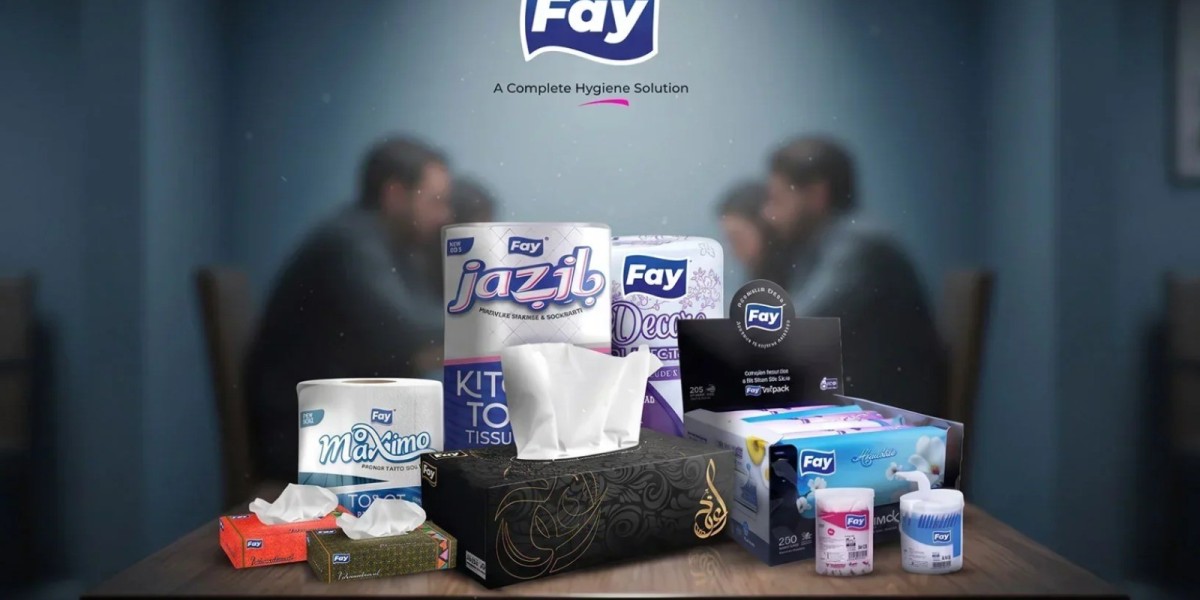

Your day probably splits into two worlds: the time you spend at home and the time you spend out. Breakfast, family meals and quiet evenings happen in one. School runs, office hours, traffic jams, shopping trips and wedding functions happen in the other. Each world needs a different kind of tissue, and that is where the best facial tissue vs pocket tissue comparison really matters.
At home, you want plenty of soft sheets close at hand for the whole family. On the go, you want a small, clean pack that fits in a pocket and survives a long day in a bag. Using the wrong one in the wrong place either leaves you short of tissues or carrying something bulky you do not need.
In this guide, we compare both tissues through a home and on-the-go lens. You will see where each one fits best, how to set up your home and your bags, and how to keep tissues clean wherever you are.
The Home Side: Why Facial Tissues Rule Indoors
Home is where tissues get used most. Children spill juice, someone sneezes during dinner, guests arrive and need to freshen up, and seasonal allergies hit the whole household at once. In all of this, facial tissues are the natural choice.
Plenty of sheets for everyone
A facial tissue box or soft pack holds a large number of sheets, so one pack can serve the whole family for days. Nobody has to go searching for a tissue or share a crumpled one.
Easy one-hand access
Facial tissues pull out one at a time from the top of the box. When your hands are busy or messy, grabbing a sheet takes a second.
Better value for daily use
Because the packaging is spread over more sheets, facial tissues cost less per sheet. For a household that uses tissues all day, that saving adds up over a month.
Where to place facial tissues at home
Lounge: Next to the sofa for sneezes, snacks and movie nights
Dining area: On the table for meals, especially with children
Bedrooms: On the bedside table for colds and late-night allergies
Dressing table: For makeup removal, blotting and skincare
Guest room: A fresh box makes guests feel looked after
Home office or study: Within reach of your desk or your children’s study table
A simple rule works well: one tissue box in every room where people sit, eat or sleep.
The On-the-Go Side: Why Pocket Tissues Win Outdoors
The moment you step out, the needs change. You cannot carry a tissue box onto a bus, into a classroom or through a crowded bazaar. This is where pocket tissues take over.
Small enough to carry anywhere
A pocket pack fits easily into a trouser pocket, handbag, school bag, wallet compartment or car door. It adds almost no weight.
Sealed for hygiene
Outside the home, surfaces are rarely clean. The sealed pouch keeps the sheets protected from dust, sweat and rain until you need them. This matters a lot in public transport, markets and outdoor events.
Your own personal supply
A pocket pack means you never have to borrow a tissue or rely on a public restroom that has run out. For children, it also means they are not sharing tissues with classmates.
Where to keep pocket tissues on the go
Handbags and clutches: For weddings, dawats and shopping trips
School bags: One pack per child, refilled every week
Office bags: For commutes, meetings and lunch breaks
Car glove box: A backup supply for long drives and roadside stops
Gym and sports bags: For wiping sweat after a workout or match
Travel bags: For buses, trains, flights and hotel stays
A simple rule here too: one pocket pack in every bag that leaves the house.
Home vs On-the-Go: Side-by-Side Comparison
Need | At Home (Facial Tissue) | On the Go (Pocket Tissue) |
Main goal | Plenty of sheets for everyone | Clean tissues in your bag |
Pack size | Box or soft pack | Slim sealed pouch |
Sheets per pack | High | Around 10 |
Users | The whole family | One person |
Hygiene | Clean when kept dry indoors | Sealed against dust and sweat |
Cost per sheet | Lower | Slightly higher |
Best moments | Meals, colds, skincare, guests | Commutes, school, events, travel |
The pattern is clear. At home, you need volume and value. Outside, you need portability and protection.
A Day in the Life: When You Reach for Each
Following a typical day shows how both tissues work together.
Morning at home: A facial tissue from the dressing table helps with skincare and a quick wipe before leaving.
School run: Your child’s school bag carries a pocket pack for a runny nose in class or messy lunch fingers.
Commute: A pocket tissue handles sweat, dust or a spilled chai during traffic.
At the office: A tissue box on the desk serves you and colleagues, while a pocket pack stays in your bag for meetings.
Evening shopping: A pocket pack in your handbag covers food stalls, fitting rooms and dusty markets.
Dinner at home: A box on the dining table handles family meals and spills.
Night: A box on the bedside table is ready for late-night sneezes or allergies.
Neither tissue covers the whole day alone. Together, they make sure you are never caught without one.
The Overlap: Your Car
The car sits between home and on-the-go. For daily family use, a soft pack or box of facial tissues on the back seat works well, because several people share it. For backup, keep two or three pocket packs in the glove box. If the box runs out on a long drive, you still have clean tissues.
Smart Tips for Both Worlds
Stock up at home. Keep a few spare boxes in a cupboard, especially before winter and allergy season.
Refill bags weekly. Check school and office bags every weekend and replace empty or old pocket packs.
Keep boxes dry. Store tissue boxes away from sinks, bathrooms and open windows during rain.
Close pouches properly. Seal the pocket pack after every use to keep remaining sheets clean.
Dispose of used tissues quickly. Throw them in a bin straight away, and never flush them down the toilet.
Wash or sanitise your hands. After a sneeze or cough, clean your hands to stop germs from spreading.
Frequently Asked Questions
1. Should I keep facial tissues or pocket tissues in my car?
Both. A box or soft pack of facial tissues is best for daily use when several people travel together. Keep a few pocket packs in the glove box as a backup for long drives or when the box runs out.
2. How many pocket tissue packs should a family keep?
A good rule is one pack in every bag that leaves the house, plus a few spares at home. For a family with school-going children, that usually means a small stock of packs replaced every week.
3. Are pocket tissues useful at home too?
They can be handy in small spaces like a bathroom shelf, a child’s bedside drawer or a guest’s welcome basket. For everyday shared use, though, facial tissue boxes are more practical and economical.
4. Which tissue is better for weddings and functions?
Pocket tissues are the better choice. Long events, crowded halls and outdoor food stalls mean you need clean tissues within reach, and a slim pouch fits easily into a clutch or kurta pocket.
5. How should I store spare tissue boxes at home?
Store them in a dry cupboard away from heat, moisture and direct sunlight. Keep them in their original packaging until use, so the sheets stay clean and soft.
Conclusion
The facial tissue vs pocket tissue comparison becomes simple when you think in terms of home and on-the-go. At home, facial tissues give your family plenty of soft sheets and better value in every room. On the go, pocket tissues give you sealed, portable hygiene in every bag.
The best setup uses both: a box in every room where people sit, eat or sleep, and a pocket pack in every bag that leaves the house. Discover soft, reliable tissues for home and travel from Fay, and stay prepared wherever your day takes you.