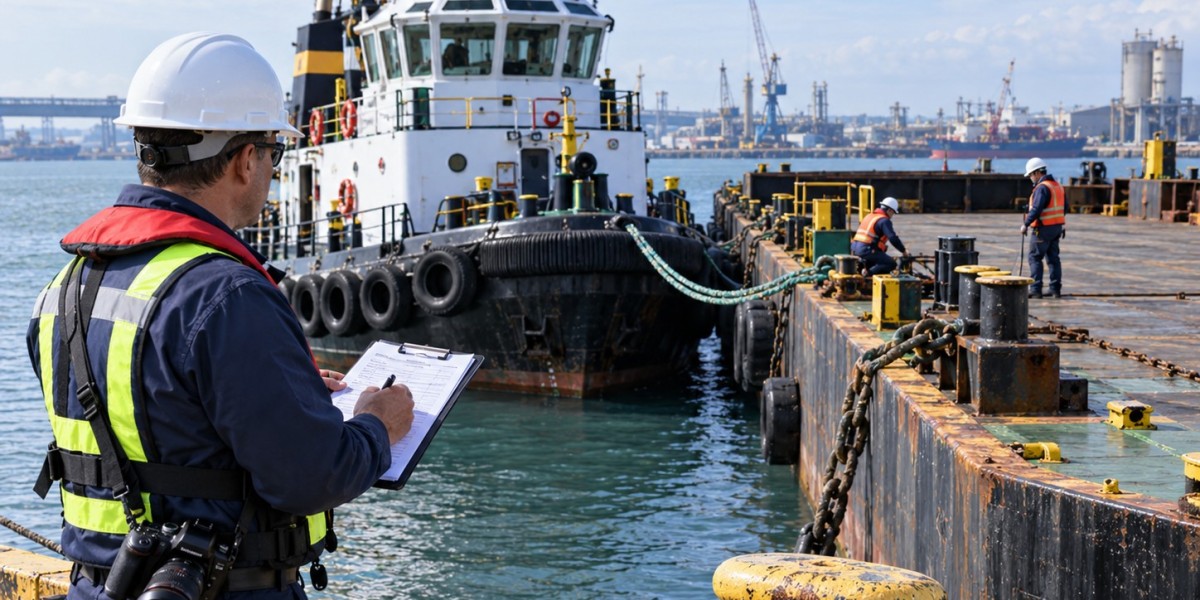

A marine vessel inspection is a structured examination of a boat or commercial vessel to evaluate its condition, identify visible defects, and determine whether specific systems require further attention. Whether someone is purchasing a used boat, maintaining an existing vessel, or assessing damage after an incident, understanding what an inspection covers can help them make better-informed decisions.
Navigation equipment is one important part of this process. Inspectors may examine onboard electronics, communication devices, and navigation lights to assess their visible condition, installation, and operation. These checks help identify concerns that may require maintenance or further evaluation, although the exact requirements depend on the vessel and its intended use.
A complete inspection may also involve examining the hull, deck, structural components, propulsion system, electrical equipment, steering, safety equipment, and onboard systems. The exact scope depends on the vessel's size, age, construction, intended use, accessibility, and reason for the inspection. A pre-purchase survey, for example, may have different priorities from an insurance inspection or a post-incident investigation.
Knowing what inspectors evaluate also helps vessel owners understand the limitations of an inspection and recognize when additional testing or specialist assessment is necessary.
1. Hull and Structural Condition
The hull is one of the most important parts of any vessel inspection because it provides the primary structure that supports the boat and interacts with the surrounding water. Inspectors generally examine accessible hull surfaces for cracks, deformation, impact damage, blistering, corrosion, and signs of previous repairs.
The inspection method depends on the vessel's construction. Fiberglass boats may require attention to gelcoat condition, laminate damage, moisture-related concerns, and areas around structural attachments. Aluminum and steel vessels require examination for corrosion, deformation, coating deterioration, and possible material loss. Wooden vessels may need checks for rot, moisture intrusion, damaged fasteners, and deterioration around joints.
Internal structural components also matter. Stringers, bulkheads, frames, floors, and other supporting members may show signs of damage or deterioration that are not obvious from outside the hull. Inspectors examine accessible areas and document concerns that may require further investigation.
For some vessels, ultrasonic thickness measurements or other non-destructive testing methods may help assess suspected material deterioration. These techniques are separate from a routine visual examination and should be selected according to the specific inspection objective.
2. Deck, Superstructure, and Weather Protection
The deck and superstructure contribute to a vessel's structural condition, weather protection, and general usability. Inspectors look for soft or weakened areas, cracks, loose fittings, damaged rails, deteriorated sealants, and evidence of water intrusion.
Deck hardware deserves particular attention because cleats, winches, stanchions, and other fittings transfer loads into the underlying structure. Loose fasteners or deteriorated mounting areas may indicate a problem that requires closer examination.
Hatches, windows, doors, and deck penetrations should also be checked for damaged seals and signs of leakage. Water entering through these areas can affect interior materials, electrical components, insulation, and structural members.
The inspection should consider how the deck and superstructure are used. A recreational boat, fishing vessel, and commercial workboat may have different equipment arrangements and areas of concern.
3. Navigation, Electrical, and Communication Systems
Electrical and navigation systems are essential to vessel operation. Their condition can influence safety, reliability, and the crew's ability to operate effectively in different conditions.
During this part of a marine vessel inspection, accessible wiring, batteries, terminals, circuit protection, switches, distribution panels, and electrical connections may be examined. Inspectors look for corrosion, loose connections, damaged insulation, improper routing, overheating indicators, and other visible concerns.
Navigation equipment may include GPS units, chartplotters, radar, depth sounders, compasses, and communication devices. The inspection should consider whether equipment powers on, whether displays and controls appear functional, and whether visible installation issues are present. A visual check does not necessarily confirm the accuracy of every instrument or the performance of every electronic function.
Navigation lights are another important consideration. Their placement, condition, visibility, and operation should be assessed against the vessel's applicable requirements. Owners can review the relevant navigation lights guidance to better understand how lighting arrangements relate to vessel type and operating circumstances.
Communication equipment, including VHF radios, should also be examined where included in the inspection scope. Any limitations in testing or unavailable equipment should be recorded rather than assumed to be satisfactory.
4. Engine, Propulsion, and Mechanical Equipment
The propulsion system is a major focus of many vessel inspections. An engine may appear clean externally while still having mechanical problems that require diagnostic testing or further examination.
Inspectors typically examine accessible engine surfaces, mounts, hoses, belts, filters, fluid levels, fuel lines, cooling arrangements, exhaust components, and visible signs of leakage. Corrosion, damaged connections, unusual residue, loose fittings, and evidence of overheating can indicate areas requiring attention.
The inspection may also cover the transmission, propeller shaft, couplings, bearings, propeller, and other propulsion components, depending on the vessel's design and access conditions. Outboard-powered boats require attention to the outboard mounting arrangement, steering connections, fuel supply, and visible condition of the lower unit.
When an operational test is part of the agreed scope, the engine may be evaluated under suitable operating conditions. However, a brief run cannot establish the complete internal condition or remaining service life of an engine. Oil analysis, compression testing, vibration analysis, or specialist mechanical diagnostics may be necessary when particular concerns arise.
5. Steering, Bilge, Fuel, and Plumbing Systems
Steering and onboard service systems influence both vessel control and general operating condition.
The steering inspection may include the wheel, cables, hydraulic lines, pumps, linkages, fittings, and accessible connections. Inspectors look for excessive play, leaks, corrosion, damaged components, and restricted movement. The precise checks depend on whether the vessel uses mechanical, hydraulic, or electronic steering.
Bilge areas should be examined for standing water, oil residue, corrosion, damaged pumps, blocked hoses, and signs of previous flooding. Bilge pumps and float switches may be tested when practical and included in the inspection scope. Their presence alone does not establish that the system will perform adequately under every operating condition.
Fuel systems require attention to tanks, hoses, connections, filters, vents, and visible leakage or deterioration. Plumbing systems may include freshwater lines, pumps, sanitation equipment, seacocks, and through-hull fittings. Damaged hoses or poorly maintained connections can create leakage and operational problems.
Because some components are concealed or inaccessible, inspectors should identify areas that could not be examined and explain whether additional access or testing is recommended.
6. Safety Equipment and Emergency Readiness
Safety equipment is another essential part of a vessel inspection. The specific requirements depend on vessel type, size, use, operating waters, and applicable regulations.
Common items reviewed may include:
Personal flotation devices and life jackets.
Fire extinguishers and fixed fire suppression equipment.
Visual distress signals and emergency signaling devices.
First-aid supplies and emergency equipment.
Bilge pumps and emergency dewatering arrangements.
Emergency exits and access routes.
Required sound-producing devices.
Life rafts and associated equipment where applicable.
Inspectors may examine the condition, accessibility, installation, and visible service information of safety equipment. They should distinguish between equipment that is present and equipment that has been fully tested or verified.
A safety inspection should not be treated as a guarantee that a vessel is safe in every situation. Equipment condition, crew training, maintenance practices, loading, weather, and operating decisions all influence actual safety.
7. Documentation, Records, and Previous Repairs
A vessel's paperwork can provide important context that a physical examination alone cannot establish. Maintenance records, repair invoices, ownership documents, equipment manuals, previous survey reports, and available incident records may help explain the vessel's history.
Inspectors may compare documented repairs with visible conditions to identify inconsistencies or areas that deserve closer attention. For example, records describing a previous grounding may make the keel, hull bottom, propulsion components, and nearby structural areas important inspection points.
Documentation can also help identify recurring maintenance issues. Repeated engine repairs, electrical faults, or water intrusion reports may suggest that a problem has not been fully resolved.
The availability and reliability of records vary. Missing paperwork does not automatically establish a defect, but it may limit the conclusions that can reasonably be drawn about the vessel's history.
8. The Inspection Report and Recommended Follow-Up
A useful inspection should produce a clear record of what was examined, what was observed, and which concerns may require additional attention. Findings are commonly organized by system or component, with descriptions, photographs, and recommendations where appropriate.
A report may identify visible deficiencies, maintenance concerns, areas of restricted access, and items that could not be tested. It should distinguish observed conditions from suspected causes and explain when further examination is necessary.
Not every finding has the same significance. Some issues may involve routine maintenance, while others may require prompt technical assessment. Recommendations should reflect the available evidence and the purpose of the inspection.
It is also important to understand that a standard inspection is not necessarily a destructive examination or a complete engineering analysis. Concealed damage, internal machinery defects, and certain structural conditions may require specialist testing, equipment, or disassembly.
Conclusion
A complete marine vessel inspection examines the major structural, mechanical, electrical, navigation, safety, and onboard systems that influence a vessel's condition. It may also include a review of maintenance records and previous repairs to provide context for the physical findings.
The appropriate scope depends on the vessel and the reason for the inspection. Understanding what is included, what remains inaccessible, and which findings require additional testing helps owners, buyers, and operators interpret the results responsibly. A detailed report provides a practical foundation for maintenance planning, purchase decisions, and further technical investigation.