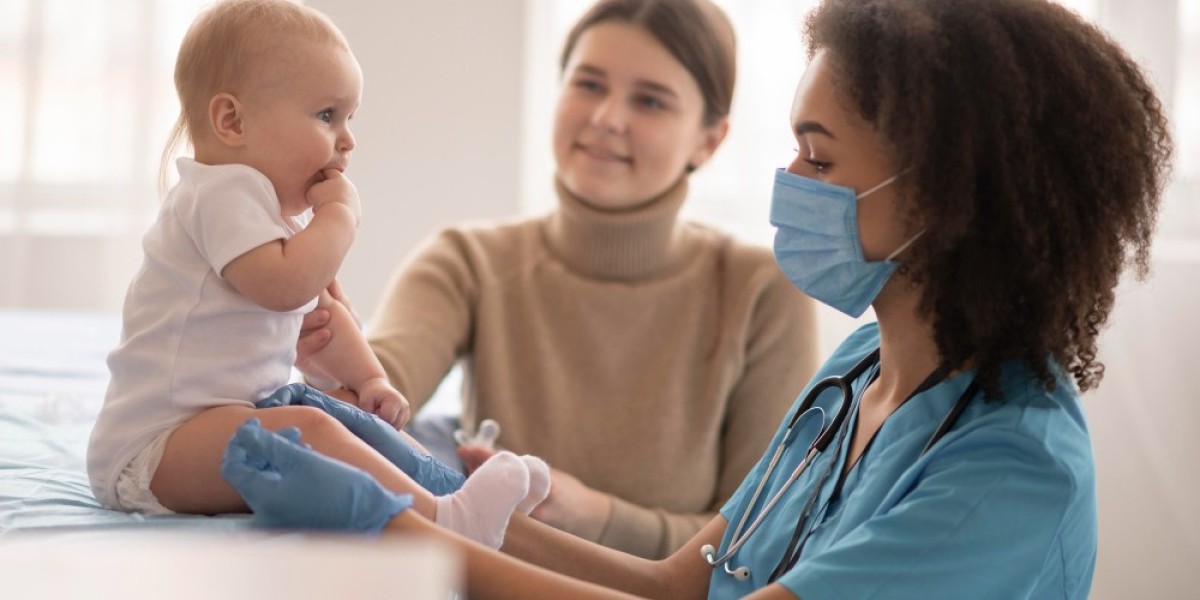

Caring for a child with complex medical needs often involves responsibilities that require professional attention, careful organization, and ongoing communication with healthcare providers. Parents may need to manage medications, specialized equipment, feeding routines, and regular medical monitoring while balancing work, family responsibilities, and their child's development. For children who require extended nursing assistance, private duty services can provide a more individualized approach to healthcare at home.
Understanding how these services work can help parents make informed decisions about their child's medical support. At SLB In-Home Care, the focus is on helping Georgia families explore pediatric home healthcare options that address individual medical requirements while Pediatric Respiratory Care at Home recognizing the importance of family participation, professional nursing, and consistent care routines.
What Parents Should Know About Private Duty Pediatric Nursing
Private duty nursing is a type of skilled nursing service designed for individuals who need more extensive or ongoing medical attention. For children, these services may involve extended nursing shifts in the home rather than relying exclusively on occasional clinical visits.
The purpose is to provide medically necessary nursing care according to an individualized plan developed around the child's condition and treatment requirements.
How Private Duty Nursing Differs From Routine Home Healthcare
Routine home healthcare may involve scheduled visits for specific treatments or assessments. Private duty nursing can provide longer periods of nursing assistance when a child's medical needs require more continuous attention.
Depending on the approved care plan, services may include:
Medication administration and monitoring.
Respiratory treatments and tracheostomy care.
Ventilator-related nursing support.
Feeding tube management.
Seizure observation and prescribed interventions.
Wound care and other authorized nursing procedures.
Monitoring changes in the child's medical condition.
The amount of nursing assistance depends on medical necessity, professional assessment, and applicable authorization requirements.
Which Children May Need Private Duty Nursing?
Not every child with a medical diagnosis requires extended nursing assistance. However, children with certain complex conditions may need more frequent clinical supervision to manage their healthcare safely.
Children With Respiratory and Breathing Difficulties
Some children depend on specialized respiratory equipment to support breathing. Those with tracheostomies or ventilators may require trained nursing professionals Pediatric Overnight Nursing who understand equipment operation, prescribed treatments, and emergency procedures.
Children With Neurological Conditions
Children living with cerebral palsy, seizure disorders, or other neurological conditions may have healthcare requirements involving regular observation, medication management, and assistance with prescribed procedures.
Their nursing needs vary according to the severity of their condition and how it affects daily functioning.
Children With Feeding and Nutritional Challenges
Some children cannot safely receive adequate nutrition through regular eating. Feeding tubes may be necessary to support nutritional needs, requiring careful attention to prescribed feeding schedules, equipment, and tolerance.
A qualified healthcare professional must determine whether private duty nursing is appropriate for an individual child.
Understanding the Responsibilities of a Private Duty Nurse
Private duty nurses provide clinical assistance that follows the child's medical orders and individualized care plan. Their responsibilities depend on their qualifications, professional scope, and authorized services.
Maintaining Medication and Treatment Accuracy
Children with multiple medical conditions may have detailed medication schedules. Nurses can administer prescribed medications, document completed treatments, and monitor for potential side effects.
Accurate records help parents and healthcare professionals understand the child's treatment history and identify concerns that need further attention.
Supporting Specialized Medical Procedures
Some children require procedures that involve specific clinical knowledge and training. Depending on the authorized plan, nursing responsibilities may include Pediatric Private Duty Nursing tracheostomy care, respiratory treatments, feeding tube management, and wound care.
Families should understand which procedures the assigned nurse is qualified to perform and how emergency situations are handled.
Communicating Important Health Changes
Private duty nurses can monitor relevant symptoms and communicate changes in the child's condition to parents and appropriate healthcare professionals.
This communication helps families stay informed and supports coordination with physicians when treatment adjustments or additional assessments are needed.
How Parents Can Prepare for Private Duty Nursing at Home
Preparing the home environment can make it easier for nursing professionals to provide appropriate services. Families should discuss practical arrangements before nursing shifts begin.
Organize Medical Supplies and Equipment
Keep essential supplies in an accessible, designated area. Medication records, physician instructions, equipment manuals, and emergency contact information should be organized so caregivers can locate important information when needed.
Establish Clear Care Expectations
Parents should discuss schedules, responsibilities, communication procedures, and documentation practices with the provider. Understanding these arrangements can prevent misunderstandings and help everyone follow the same care plan.
Maintain Family Involvement
Although professional nurses provide clinical assistance, parents remain important members of the healthcare team. Sharing information about the child's preferences, daily habits, and medical history helps nurses understand the child's individual circumstances.
Families should also receive appropriate guidance about their responsibilities and emergency procedures.
Exploring Private Duty Nursing Through Georgia GAPP
Georgia families may have an opportunity to access authorized in-home nursing services through the Georgia Pediatric Program (GAPP). This Medicaid program provides skilled nursing and personal care services for eligible children who meet applicable medical and program requirements.
Depending on an individual child's needs and authorization, services may include private duty nursing at home.
Parents interested in exploring these options can begin by discussing their child's medical condition with a pediatrician or specialist. The process may involve physician documentation, a medical assessment, and confirmation of Medicaid and program eligibility.
SLB In-Home Care helps families across Georgia explore pediatric home healthcare services and understand available nursing support. Parents should confirm approved services, authorized hours, and program requirements before making care arrangements.
Medicaid enrollment alone does not guarantee private duty nursing coverage. Each request must meet the relevant eligibility, medical necessity, and authorization criteria.
Choosing a Nursing Arrangement That Supports Your Child
Selecting private duty nursing involves more than finding someone available to provide medical assistance. Parents should consider nursing credentials, pediatric experience, staffing reliability, and communication practices.
The most appropriate arrangement is one that reflects the child's actual medical needs while respecting family routines and individual preferences. Regular reviews of the care plan can also help ensure that services remain suitable as the child grows or experiences changes in health.
For families managing complex childhood conditions, understanding private duty nursing can make healthcare decisions more manageable. With appropriate professional support and active family involvement, children may receive necessary medical attention while continuing to participate in familiar home and family experiences.
Frequently Asked Questions
1. How many hours of private duty nursing can a child receive?
The number of nursing hours depends on the child's medical needs, clinical assessment, eligibility, and approved authorization. Some children may qualify for extended daily nursing assistance, while others may require fewer hours.
2. Can a private duty nurse provide ventilator and tracheostomy care?
Yes. Appropriately qualified nurses may provide authorized ventilator-related and tracheostomy care when these services are included in the child's medical plan. Relevant training and emergency procedures are essential.
3. Does Georgia Medicaid cover pediatric private duty nursing?
Eligible children may qualify for authorized private duty nursing through Georgia's GAPP program. Coverage depends on Medicaid eligibility, medical necessity, assessment results, and program approval.