
A confident smile can make a positive difference in everyday interactions. However, tooth discolouration, chips, uneven edges, small gaps, and irregular tooth shapes may affect how a person feels about their appearance. Dental veneers offer a cosmetic solution for improving these concerns by enhancing the visible surfaces of teeth. With careful planning and professional dental care, veneers can create a brighter, more balanced, and natural-looking smile.
For people considering Dental Veneers in Islamabad, understanding how the treatment works, what it can correct, and what results to expect can help them make an informed decision. Veneers are designed according to individual dental needs, allowing the final appearance to complement the person's facial features and natural teeth.
1. What Are Dental Veneers and How Do They Work?
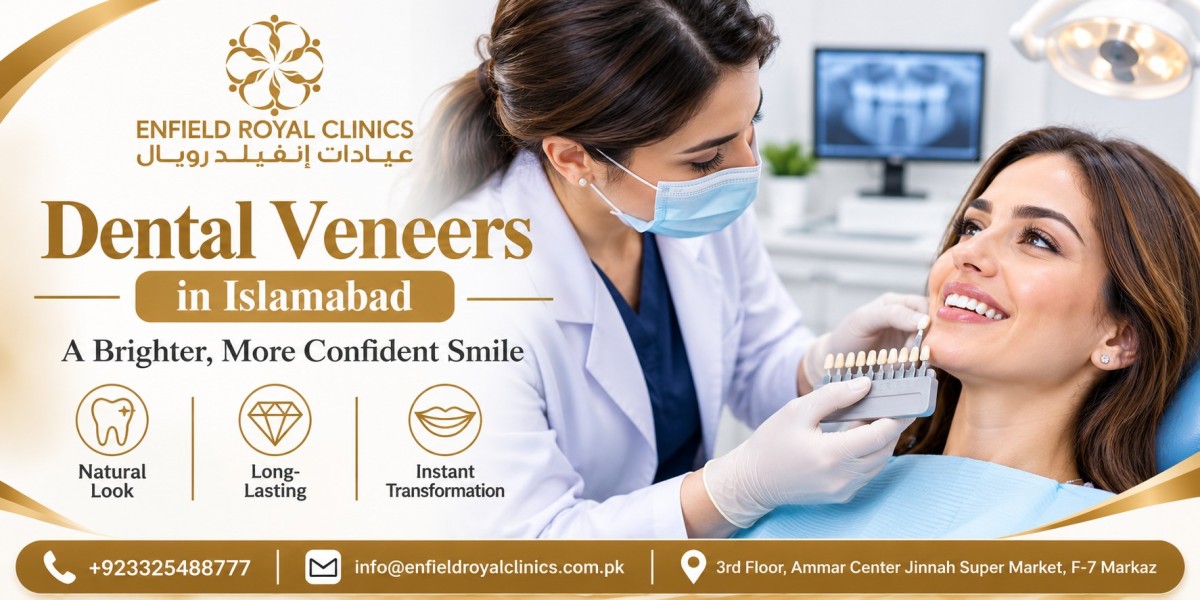
Dental veneers are thin, custom-made coverings placed over the front surfaces of teeth. They are commonly made from porcelain or composite resin and are designed to improve the colour, shape, size, and overall appearance of a smile.
Before treatment, a dental professional examines the teeth, gums, bite, and general oral health. This assessment helps determine whether veneers are suitable and which material may provide the most appropriate result.
Porcelain veneers are known for their natural appearance, stain resistance, and durability. Composite veneers are made using tooth-coloured resin and can often be applied more quickly. The choice depends on the patient's dental condition, cosmetic goals, and treatment requirements.
Veneers do not move teeth into new positions or replace missing teeth. Instead, they improve the visible appearance of existing teeth by covering selected imperfections.
2. How Can Dental Veneers Improve Tooth Colour?
Tooth discolouration is one of the most common reasons people consider cosmetic dental treatment. Teeth may become stained due to coffee, tea, tobacco, certain foods, ageing, or changes within the tooth structure. Professional whitening can improve many surface stains, but some types of deep or persistent discolouration may not respond as expected.
Dental veneers can cover these colour concerns by placing a carefully selected shade over the visible tooth surface. The shade is chosen to complement the person's complexion, facial features, and surrounding teeth.
Porcelain veneers are particularly popular because they reflect light in a way that can closely resemble natural enamel. Their surface is also relatively resistant to staining compared with natural teeth and composite resin.
However, the goal is not necessarily to create the whitest possible smile. A suitable shade should look balanced and natural rather than noticeably artificial. During the planning stage, the dental professional considers the desired brightness and how the veneers will blend with the rest of the smile.
3. Can Veneers Correct Chips, Gaps, and Uneven Teeth?
Dental veneers can address several minor cosmetic concerns that affect the appearance of front teeth. They are particularly useful when the teeth are healthy but have visible imperfections.
Common concerns that veneers may improve include:
Chipped teeth: Small chips along the edges can be covered to create a smoother appearance.
Uneven tooth shapes: Veneers can improve irregular or poorly proportioned teeth.
Small gaps: Selected spaces between teeth may be reduced or concealed.
Worn edges: Teeth affected by mild wear may appear more even after treatment.
Minor alignment concerns: Veneers can sometimes improve the visual appearance of slightly irregular teeth without physically moving them.
Although veneers can create the appearance of a more even smile, they are not a substitute for orthodontic treatment in every situation. Significant crowding, large gaps, major bite problems, or severely misaligned teeth may require braces, clear aligners, or other dental procedures.
A proper examination helps identify the most suitable approach and prevents cosmetic treatment from being used where another solution would be more appropriate.
4. How Do Dental Veneers Create a Balanced and Natural Smile?
A beautiful smile is not determined by tooth colour alone. The shape, length, width, and arrangement of teeth also influence the overall appearance. Even small differences in tooth proportions can make a smile look uneven.
Dental veneers are customised to suit the patient's natural dental structure. Their shape and size can be planned to create better visual harmony between neighbouring teeth. The dental professional also considers the gum line, facial proportions, and the way the teeth appear when the person smiles.
For example, teeth that look too short because of uneven edges may appear more proportionate after carefully designed veneers. Similarly, minor differences in tooth width or shape can be improved to create a more consistent appearance.
The most successful cosmetic results generally preserve the natural character of the smile. Veneers should complement the person's facial features instead of making every tooth look identical. Careful shade selection and realistic design are therefore important parts of the treatment process.
5. What Happens During Dental Veneers Treatment?
The process for receiving veneers depends on the selected material and the condition of the teeth. Porcelain veneers generally require more than one appointment, while some composite treatments may be completed in a single visit.
The treatment commonly involves these stages:
Initial consultation: The dental professional examines the teeth and gums, discusses cosmetic concerns, and checks whether veneers are appropriate.
Smile planning: The desired tooth colour, shape, and proportions are discussed. Photographs, impressions, or digital scans may be used to plan the treatment.
Tooth preparation: Traditional porcelain veneers usually require a small amount of enamel to be removed from the front surface. This helps create space for the veneer and allows it to fit naturally. Because enamel removal is permanent, this step should be carefully considered.
Temporary veneers: Temporary coverings may be provided when necessary while permanent porcelain veneers are being prepared.
Final placement: Once the custom veneers are ready, they are checked for fit, colour, and appearance before being bonded to the teeth.
The final result is reviewed to ensure the veneers feel comfortable and do not interfere with the bite. Patients should discuss any discomfort or concerns with their dental professional.
6. How Long Do Dental Veneers Last and How Should They Be Maintained?
The lifespan of dental veneers depends on the material, oral hygiene habits, bite pressure, and everyday care. Porcelain veneers commonly last around 10 to 15 years or longer, while composite veneers may last approximately 5 to 7 years. These are general estimates rather than guarantees.
Good oral hygiene is essential for maintaining veneers and protecting the natural teeth underneath them. Patients should brush twice daily with a soft-bristled toothbrush and clean between their teeth regularly. Routine dental check-ups also help identify problems before they become more serious.
A few practical habits can help protect veneers:
Avoid biting hard objects such as ice, pens, or fingernails.
Do not use the teeth to open packaging.
Limit habits that place unnecessary pressure on the front teeth.
Wear a night guard if recommended for teeth grinding.
Maintain regular professional dental examinations.
Follow the dental professional's cleaning and maintenance advice.
Veneers themselves cannot develop cavities, but the natural tooth structure around and beneath them can still experience decay. Healthy gums are also important for keeping the smile attractive over time.
7. Who Is a Suitable Candidate for Dental Veneers?
Veneers may be suitable for adults who want to improve cosmetic concerns such as persistent tooth stains, small chips, minor gaps, or uneven tooth shapes. However, healthy teeth and gums are important starting points.
People with untreated cavities, gum disease, significant enamel damage, or severe teeth grinding may need other treatment before veneers can be considered. Patients with major bite problems may also benefit from orthodontic or restorative options instead.
A dental consultation helps assess the condition of the teeth and explain the benefits, limitations, and long-term commitment involved. Patients should also understand that traditional porcelain veneers are generally irreversible because some enamel is removed during preparation.
For individuals exploring Dental Veneers in Islamabad, the most appropriate treatment plan is one that balances cosmetic goals with long-term oral health. A natural-looking result should never come at the expense of healthy teeth or comfortable function.
For more information visit Enfield royal clinic in islamabad
Frequently Asked Questions
1. Can dental veneers completely transform a smile?
Veneers can significantly improve the appearance of teeth by changing their colour, shape, size, and visible alignment. The extent of the transformation depends on the original condition of the teeth and the treatment plan.
2. Do dental veneers look natural?
Yes. Custom-made veneers can closely resemble natural teeth when their shade, shape, and proportions are selected carefully. Porcelain is particularly valued for its enamel-like appearance.
3. Are dental veneers painful?
The procedure is generally manageable. Local anaesthesia may be used during tooth preparation when needed. Some patients experience temporary sensitivity after treatment.
4. How long does dental veneers treatment take?
The timeline depends on the material and number of teeth involved. Porcelain veneers commonly require multiple appointments, while some composite veneer treatments can be completed in one visit.
5. Can dental veneers become stained?
Porcelain veneers are relatively resistant to staining, although the surrounding natural teeth may still change colour. Composite veneers are generally more prone to staining over time.
6. Do dental veneers require special care?
Veneers do not usually require complicated maintenance. Regular brushing, flossing, dental check-ups, and avoiding habits that can damage teeth help maintain their appearance and protect oral health.
Conclusion
Dental veneers can improve a smile by addressing several visible imperfections, including discolouration, minor chips, small gaps, and uneven tooth shapes. Their customised design allows the final appearance to complement natural facial features while creating a more balanced smile.
However, veneers are not suitable for everyone, and their long-term success depends on proper assessment, careful placement, and consistent oral hygiene. Anyone considering Dental Veneers in Islamabad should first discuss their expectations and dental condition with a qualified dental professional to determine whether veneers are the right option.