
Choosing the right siding material is an important decision for any homeowner. Exterior siding does more than improve the appearance of a house. It protects the walls from rain, wind, sunlight, moisture, and changing weather conditions. The right material can also reduce maintenance requirements, improve energy efficiency, and help preserve your property's value over time.
However, not all siding materials offer the same level of durability. Some require regular maintenance, while others are designed to withstand years of exposure with minimal upkeep. Homeowners in Northwest Arkansas should pay particular attention to durability because seasonal storms, humidity, and temperature changes can affect exterior materials.
Whether you are planning a complete exterior renovation or considering professional vinyl siding installation, understanding the available options can help you make a better investment.
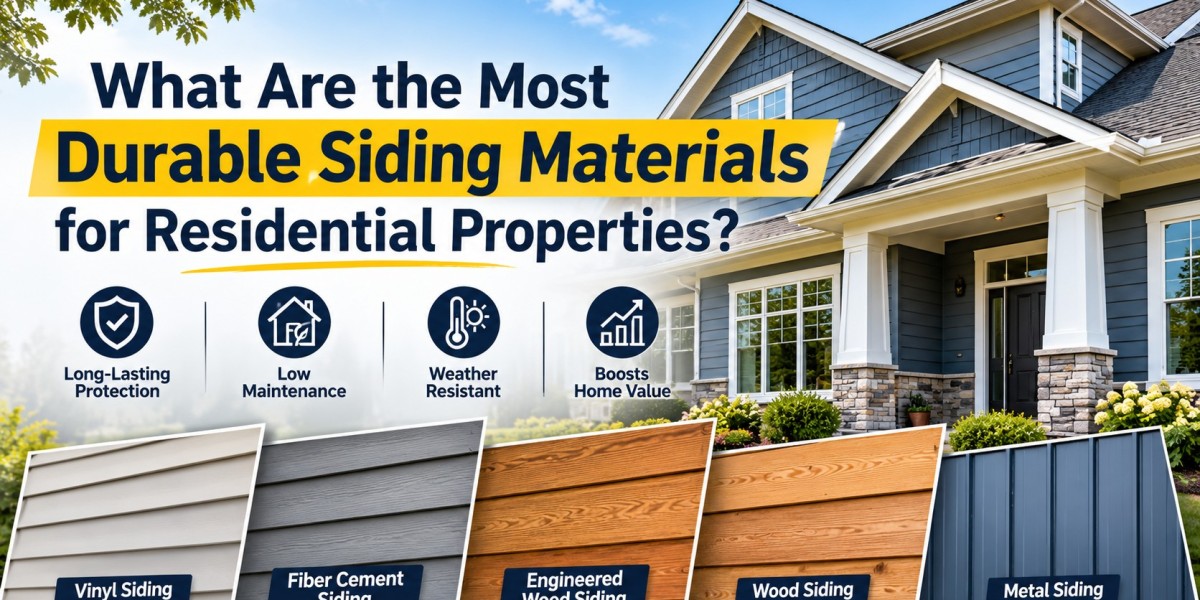
Let's explore some of the most durable siding materials for residential properties and what makes each one worth considering.
1. Fiber Cement Siding: A Strong and Long-Lasting Option
Fiber cement siding is widely recognized for its strength and ability to handle different weather conditions. It is manufactured using a combination of cement, sand, and cellulose fibers, creating a solid material that can withstand everyday environmental exposure.
One of its biggest advantages is its resistance to moisture, insects, and fire. Unlike natural wood, fiber cement does not attract termites, and it is less likely to experience problems associated with rot when properly installed and maintained.
Fiber cement siding is also available in several textures and finishes, including styles that resemble natural wood. This makes it suitable for homeowners who want a traditional appearance without choosing actual wood siding.
Key benefits include:
Strong resistance to moisture and insects.
Excellent durability when properly installed.
Multiple colors, textures, and design options.
Lower maintenance requirements than traditional wood.
Although fiber cement can have a higher initial installation cost, its durability makes it an option worth considering for long-term exterior protection.
2. Vinyl Siding: Affordable, Durable, and Low Maintenance
Vinyl siding is one of the most popular choices for residential properties because it offers a practical combination of affordability, appearance, and durability.
Made primarily from PVC, vinyl siding is designed to resist moisture and does not require regular painting. Homeowners can choose from various colors, profiles, and finishes to complement their property's architectural style.
Professional vinyl siding installation is important because incorrect fastening, spacing, or panel alignment can lead to problems such as buckling, gaps, and loose sections.
Quality installation also helps the siding accommodate natural expansion and contraction caused by temperature changes.
Why homeowners choose vinyl siding:
Resistant to moisture and rot.
Does not require routine repainting.
Available in numerous styles and colors.
Relatively easy to clean and maintain.
Offers a cost-effective exterior improvement option.
Vinyl siding can be a particularly practical choice for homeowners who want an attractive exterior without committing to extensive maintenance.
3. Engineered Wood Siding: Natural Appearance With Added Strength
Engineered wood siding provides the appearance of traditional wood while offering additional protection through modern manufacturing techniques.
It is generally made from wood fibers or strands combined with resins and protective treatments. This manufacturing process helps improve its consistency and resistance to common environmental challenges.
Unlike traditional wood siding, engineered wood products are designed to offer better resistance to certain moisture-related and insect-related problems.
It is available in different profiles, including lap siding, panels, and board-and-batten designs.
Important advantages include:
Attractive natural wood appearance.
Multiple design and texture options.
Consistent appearance across large exterior surfaces.
Potentially lower maintenance than traditional wood.
However, engineered wood still requires proper installation, sealing, and maintenance. Damaged protective coatings or exposed edges can allow moisture to enter, so regular inspections are important.
4. Natural Wood Siding: Classic Beauty With Regular Maintenance
Natural wood siding remains popular among homeowners who appreciate its traditional appearance and architectural character.
Materials such as cedar and other suitable wood species can create a warm, distinctive exterior that is difficult to replicate with synthetic alternatives.
Wood siding can also be painted or stained in different colors, giving homeowners considerable design flexibility.
However, its natural composition makes it more vulnerable to moisture, insects, and deterioration when maintenance is neglected.
Benefits of natural wood siding include:
Timeless and attractive appearance.
Natural texture and character.
Flexible painting and staining options.
Suitable for traditional and modern architectural designs.
To maintain its condition, wood siding generally needs periodic sealing, painting, or staining. Homeowners should also watch for cracks, soft spots, and signs of insect activity.
If you prefer natural materials, wood siding can be a beautiful choice, provided you are prepared for its maintenance requirements.
5. Metal Siding: Durability and Weather Resistance
Metal siding, commonly made from steel or aluminum, is another option for residential and certain modern architectural applications.
Its strength makes it suitable for properties that require a durable exterior covering. Metal siding is generally resistant to insects and does not rot like wood.
It also comes in different colors, finishes, and panel designs, allowing homeowners to create clean and contemporary exterior appearances.
Key advantages include:
Strong resistance to insects and rot.
Long service life with appropriate care.
Minimal painting requirements for many factory-finished products.
Modern and versatile appearance.
However, metal siding can experience dents from significant impacts, and some materials may be vulnerable to corrosion if their protective coatings become damaged.
Proper installation and occasional inspections help maintain its appearance and performance.
6. How to Choose the Right Siding Material for Your Home
The most durable siding material is not necessarily the most expensive one. The right choice depends on your property's location, architectural style, maintenance expectations, and budget.
Before selecting a material, consider the following factors:
Weather Resistance: Choose siding that can handle the rainfall, humidity, wind, and temperature changes common in your area.
Maintenance Requirements: Consider how much time and money you are willing to spend on cleaning, painting, sealing, and inspections.
Installation Quality: Even premium siding materials can fail prematurely when installed incorrectly. Professional installation helps ensure proper fastening, spacing, flashing, and moisture management.
Appearance: Select a material and finish that complement your home's design and surrounding properties.
Long-Term Value: Compare the initial investment with expected maintenance expenses and the material's potential service life.
Taking time to evaluate these factors can help prevent unnecessary repairs and make your exterior improvement project more worthwhile.
7. Why Professional Siding Installation and Maintenance Matter
Choosing a durable siding material is only part of the process. Proper installation and ongoing maintenance are equally important for protecting your home.
Poor installation can create gaps that allow moisture and outside air to enter. Over time, these problems may affect the underlying wall structure and lead to expensive repairs.
Homeowners should arrange inspections when they notice:
Cracked, loose, or missing siding panels.
Warping or bubbling along exterior walls.
Water stains or discoloration.
Mold or mildew around siding joints.
Unusual increases in indoor moisture.
Professional siding repair services can help identify damaged sections and determine whether localized repairs or a larger replacement project is necessary.
Working with an experienced contractor also helps ensure that new siding is installed with suitable preparation, flashing, and moisture protection.
8. Upgrade Your Home's Exterior With LRD Construction
A well-maintained exterior plays an important role in protecting your property and maintaining its appearance. Whether you are considering new siding, replacing worn materials, or exploring different exterior finishes, choosing the right contractor can make the process easier.
LRD Construction provides siding solutions for residential and construction projects across Northwest Arkansas and the River Valley. With an emphasis on quality materials and professional support, the company helps homeowners and contractors explore siding options suited to their project requirements.
From professional vinyl siding installation to exterior material selection, proper planning can make a meaningful difference in the finished result.
If your existing siding is showing signs of damage, seeking reliable siding repair assistance early can also help prevent minor exterior problems from becoming more expensive concerns.
Visit LRD Construction to explore available siding solutions and request a free estimate for your next exterior improvement project.
Conclusion
Durable siding is an important investment in your home's long-term protection, appearance, and maintenance requirements. Fiber cement, vinyl, engineered wood, natural wood, and metal each offer different advantages depending on your property's needs.
The best option is one that balances durability, cost, appearance, and maintenance while performing well in your local weather conditions.
Just as importantly, quality installation and timely maintenance help ensure that your siding performs as expected for years to come.
Whether you are planning a complete exterior upgrade or need professional guidance about damaged siding, LRD Construction can help you explore suitable solutions for your residential property.
Frequently Asked Questions (FAQs)
1. What is the most durable siding material for a house?
Fiber cement siding is considered a highly durable option because of its strength and resistance to moisture, insects, and fire. Vinyl and metal siding are also popular choices, depending on the property's requirements and budget.
2. How long does vinyl siding typically last?
Quality vinyl siding can last several decades when properly installed and maintained. Its lifespan depends on product quality, installation practices, weather exposure, and ongoing care.
3. Is vinyl siding better than fiber cement siding?
Both materials have advantages. Vinyl siding is generally more affordable and requires less maintenance, while fiber cement offers excellent strength and a wider range of textured finishes. The right choice depends on your budget and exterior design preferences.
4. When should homeowners consider siding repair services?
Homeowners should consider professional siding repair services when they notice cracked panels, loose sections, warping, moisture stains, or gaps around siding joints. Addressing these problems early may prevent further damage to the exterior walls.
5. Does new siding improve a home's energy efficiency?
New siding can contribute to better home comfort when installed as part of a properly designed exterior system. Insulation, house wrap, air sealing, and correct installation all play important roles in overall energy performance.
6. Why is professional vinyl siding installation important?
Professional vinyl siding installation helps ensure correct panel alignment, fastening, spacing, and expansion allowances. Proper installation reduces the risk of buckling, loose panels, and moisture-related problems while improving the finished appearance.